Key takeaways
- Frame material: Solid wood or kiln-dried hardwood beats particleboard every time. Tap the arm — a hollow thud usually means engineered filler that loosens after a couple of moves.
- Cushion construction: Serpentine springs or pocketed coils under the foam keep the seat from sagging into a hammock. Foam-only cushions feel great in month one and flatten by month eight.
- Fabric practicality: Chenille and performance velvet handle pets and spills better than loose-weave linen. Removable covers are the single best feature for anyone with kids or shedding animals.
- Assembly and access: Check the box dimensions, not just the sofa dimensions. Tool-free interlocking designs and modular sections get through 30-inch doorways that one-piece frames simply won’t.
- Seat depth and height: Deep seats over 22 inches suit loungers; shallower seats around 20 inches work better for shorter frames and upright sitting. Measure your current favorite chair before you commit.
What's inside
Furniture pricing runs on a calendar, and most shoppers never see it. Sofas get marked down hardest when showrooms need floor space: late December through early February, when new model lines land, and again in July and August as summer inventory clears. Wait for those windows and the same couch can cost a few hundred dollars less than it did in October. The catch is that the best deals show up on the models retailers are trying to move, not necessarily the ones built to survive a decade of daily use.
I’ve assembled and taken apart enough flat-pack furniture to know that the frame and the cushion core tell you more than the price tag ever will. This guide walks through what actually holds up, how to read a spec sheet like someone who’s held the hardware, and which sofas are worth watching when the discounts hit. Everything below is chosen for real rooms with real constraints: tight stairwells, apartment doorways, and budgets that don’t stretch forever.
As an Amazon Associate we earn from qualifying purchases.


How to Choose a Time To Buy Sofa (2026)
- Frame material: Solid wood or kiln-dried hardwood beats particleboard every time. Tap the arm — a hollow thud usually means engineered filler that loosens after a couple of moves.
- Cushion construction: Serpentine springs or pocketed coils under the foam keep the seat from sagging into a hammock. Foam-only cushions feel great in month one and flatten by month eight.
- Fabric practicality: Chenille and performance velvet handle pets and spills better than loose-weave linen. Removable covers are the single best feature for anyone with kids or shedding animals.
- Assembly and access: Check the box dimensions, not just the sofa dimensions. Tool-free interlocking designs and modular sections get through 30-inch doorways that one-piece frames simply won’t.
- Seat depth and height: Deep seats over 22 inches suit loungers; shallower seats around 20 inches work better for shorter frames and upright sitting. Measure your current favorite chair before you commit.
The Best Time To Buy Sofa (2026)s Reviewed
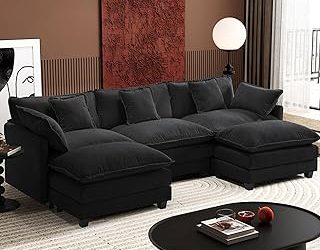
Welzona 83″ L-Shaped Velvet Sectional with Ottoman
A genuinely small-space sectional — 83 inches with a reversible ottoman that lets you flip the chaise to either side after you rearrange the room. The velvet reads more expensive than it is, though I’d keep a lint roller nearby if you have a dark-haired dog.
109″ Modular Sectional with Storage Ottoman
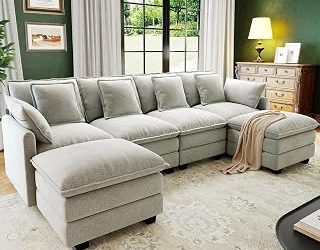
The modular build is the real selling point here: four separate seats mean you carry manageable pieces up the stairs instead of wrestling one 200-pound unit. Pet-friendly fabric and a hollow ottoman that swallows blankets make this the most practical pick for families.
Hanherry 89″ Chenille Sofa with USB Ports
Built-in USB and Type-C charging in the armrest sounds gimmicky until you stop running an extension cord behind the end table. Medium-firm cushions and removable chenille covers mean it stays presentable through years of movie nights.
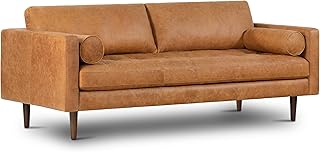
85″ Natural Linen 3-Seat Sofa with Spring Cushions
Solid wood frame plus actual spring cushions at this size and price point is uncommon — that combination is what separates a five-year sofa from a two-year one. The linen is softer than most and the covers come off for washing, which matters more than the look.
Welzona 83″ Teddy Fabric Loveseat
Tool-free setup means the whole thing clicks together in under fifteen minutes with nothing but your hands. The 7.5-inch spring seat cushion is thicker than what you’ll find on most loveseats in this range, and the teddy fabric is the kind of texture people sit down on and immediately comment about.
Frequently Asked Questions
When exactly are sofas cheapest?
Late December through February and mid-July through August are the two strongest windows. Retailers rotate stock ahead of new collections in spring and fall, so the clearance markdowns land just before those launches.
Should I wait for a holiday sale instead?
Presidents’ Day, Memorial Day, and Labor Day all bring real discounts, but they’re usually shallower than end-of-season clearance. If you can be patient, February and August beat the three-day weekends.
Do cheaper sofas mean worse construction?
Not automatically. Look for solid wood frames and spring-supported cushions regardless of price — plenty of mid-range sofas hit both marks while more expensive ones skate by on branding.
How do I know it’ll fit through my door?
Measure your narrowest doorway, then check the packaging dimensions on the product page. Modular and tool-free designs ship in smaller cartons and assemble inside the room, which sidesteps the problem entirely.
Final Thoughts
If you want one sofa that solves the most problems, the 109″ modular sectional wins on flexibility, moving logistics, and hidden storage. For smaller rooms, the Welzona 83″ L-shaped velvet gives you a real chaise without eating the whole floor plan, and the Hanherry 89″ chenille is the pick if built-in charging and washable covers matter to your daily routine. Watch any of these through the February or August markdown windows and you’ll do well.