Key takeaways
- Measure the void first: Sit normally, slide a rolled towel behind your lower back, then pull it out and measure its thickness with calipers or a ruler. Most recliners need 3 to 5 inches of fill; buy a 6-inch block and you’ll be pushed forward off the seat pan.
- Match foam to sit time: Shredded or polyfill cushions feel welcoming and suit shorter sessions and side-sleeping in bed. High-density molded memory foam holds its shape through a three-hour stretch, which is what you want for a nightly reading chair.
- Insist on real anchoring: An adjustable strap with a working buckle is the difference between a cushion that stays put and one you fish out from under the footrest weekly. Check that the strap is long enough to reach around a wide recliner back, not just a desk chair.
- Plan for washing: Recliners collect skin oils, snack crumbs, and pet hair. A removable zip cover rated for machine washing is non-negotiable; sealed covers turn into a permanent problem within a year.
- Consider fixing it at the source: If you’re already shopping for a chair, a recliner with a built-in adjustable lumbar mechanism or power headrest solves the problem structurally instead of stacking pillows on top of a bad fit.
What's inside
Recliners are built to cradle your shoulders and hips, and almost every one of them forgets the six inches in between. Sit down, kick the footrest out, and you can usually slide a whole forearm into the void behind your lower back. That gap is why a chair that feels plush for ten minutes has your sacrum aching by the end of a movie: your lumbar curve flattens, your pelvis rolls backward, and the muscles along your spine spend the evening holding a shape they were never meant to hold unsupported.
I approach this the way I’d approach any gap in a build: measure it, then fill it with the right material at the right thickness. Below are the cushions and chairs I’ve had my hands on, plus the field measurements and foam-density notes that decide whether a pillow parks itself in the small of your back or squirts out sideways the second you shift. Consider this the practical, tape-measure-first version of the buying guide.
As an Amazon Associate we earn from qualifying purchases.




How to Choose a Recliner Lumbar Support (2026)
- Measure the void first: Sit normally, slide a rolled towel behind your lower back, then pull it out and measure its thickness with calipers or a ruler. Most recliners need 3 to 5 inches of fill; buy a 6-inch block and you’ll be pushed forward off the seat pan.
- Match foam to sit time: Shredded or polyfill cushions feel welcoming and suit shorter sessions and side-sleeping in bed. High-density molded memory foam holds its shape through a three-hour stretch, which is what you want for a nightly reading chair.
- Insist on real anchoring: An adjustable strap with a working buckle is the difference between a cushion that stays put and one you fish out from under the footrest weekly. Check that the strap is long enough to reach around a wide recliner back, not just a desk chair.
- Plan for washing: Recliners collect skin oils, snack crumbs, and pet hair. A removable zip cover rated for machine washing is non-negotiable; sealed covers turn into a permanent problem within a year.
- Consider fixing it at the source: If you’re already shopping for a chair, a recliner with a built-in adjustable lumbar mechanism or power headrest solves the problem structurally instead of stacking pillows on top of a bad fit.
The Best Recliner Lumbar Support (2026)s Reviewed
Soft and Fluffy Back Support Cushion
This thick polyfill pillow is the forgiving option: it compresses to whatever shape your spine wants rather than dictating one, which makes it a smart pick for anyone who reclines at varying angles or moves it between a couch and a bed. Expect to fluff it periodically, since loose fill settles faster than molded foam.
SofGlowly Large Memory Foam Back Support Cushion
The generous footprint spans the full width of most recliner backs, so it won’t tip or wander when you shift your weight, and the memory foam core keeps its profile long after a fiber pillow would have pancaked. The machine-washable cover is the detail that earns it a spot in a house with kids or dogs.
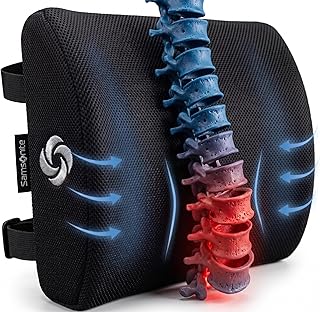
Samsonite Lumbar Support Pillow
Slimmer and more targeted than the others, this one is the right call when the gap you measured is modest and a fat cushion would shove you off the seat. It’s also the most portable of the group, moving cleanly between a recliner, a desk chair, and a long drive.
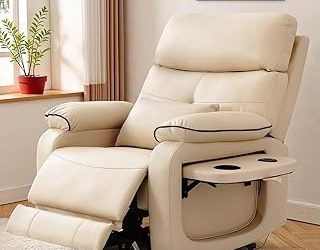
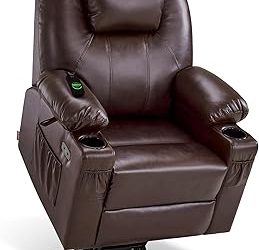
CHITA Genuine Leather Power Recliner, Swivel Rocker
The adjustable lumbar and power headrest let you dial the chair to your own spine instead of layering cushions on a fixed shape, and the triple-motor setup means back, legs, and head move independently. USB-A and Type-C ports built into the frame are a genuinely useful touch for a chair you’ll sit in for hours.
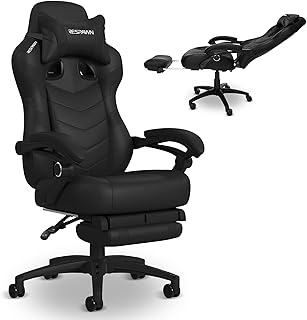
RESPAWN 110 Pro Ergonomic Gaming Chair
A strong crossover choice for a home office that doubles as a lounge, with a dedicated lumbar pillow, footrest, and 155-degree recline. The upright ergonomics hold up through a workday, and the recline is deep enough to actually relax in afterward.
Frequently Asked Questions
How thick should a recliner lumbar cushion be?
Use the towel test described above. Most recliners need 3 to 5 inches of fill at the deepest point of the gap. If a cushion pushes your shoulders forward of your hips, it’s too thick.
Where exactly should the pillow sit?
Center it just above your beltline, at the inward curve of your lower back. Too low and it tips your pelvis forward; too high and it presses on your mid-back and does nothing for the curve.
Can I make my own instead?
You can, and a rolled towel is a fine prototype for measuring. But shop foam scraps rarely have the right density, and a DIY cover without a zipper becomes unwashable. Prototype at home, then buy the finished part.
Will a cushion fix a recliner that’s simply too deep?
Only partly. If your feet dangle or the seat pan hits behind your knees, the chair’s dimensions are wrong for your frame and lumbar support is treating a symptom.
Final Thoughts
For most recliners, the SofGlowly memory foam cushion is the safest bet, with enough width and density to stay put through long sessions, while the slimmer Samsonite pillow suits shallower gaps and travels well. If you’re replacing the chair anyway, the CHITA leather power recliner with adjustable lumbar solves the problem at the frame instead of on top of it.