Key takeaways
- Measure the seat back width, not the chair: Pull a tape across the widest point of the backrest, from outer edge to outer edge. Most stretch covers list a range like 24″–37″ — land in the middle of that range, not the top, or the fabric will have nothing left to grip with.
- One-piece vs. multi-piece: A single stretch sleeve installs in five minutes and suits everyday spill defense. A four-piece set (seat, back, two arms) costs you more setup time but tracks the chair’s movement independently, so reclining doesn’t drag the whole cover out of position.
- Match the fabric to the actual threat: Jacquard and velvet knits handle fur, crumbs, and general wear. For a puppy still learning, an incontinent senior dog, or a kid in potty training, you want a laminated waterproof backing — nothing else stops liquid from reaching the foam.
- Check the anchoring system: Elastic hems are the baseline. Look for foam grip strips, non-slip silicone dots, or included tuck-in rods. Foam tubes wedged into the crevices between seat and arms do more to prevent shifting than any amount of elastic.
- Confirm laundering reality: Cold machine wash and tumble dry low is standard. Waterproof-backed covers should never see high heat — it delaminates the coating and turns your protector into a plain fabric drape.
What's inside
Anyone who has spent a Saturday wrestling a slipcover onto a recliner knows the frustration: you get the seat smooth, tug the back into place, and the armrest pops loose behind you. Recliners are the hardest furniture in the house to cover because they hinge, tilt, and extend, which means a cover that fits perfectly upright can bunch into a rope the second the footrest deploys. Add a dog who claims the seat as territory or a toddler with a juice cup, and the stakes get higher than aesthetics.
I’ve fitted, washed, and re-fitted a lot of these on everything from a boxy 1990s wall-hugger to a slim modern glider. This guide breaks down the two design philosophies worth your money — one-piece stretch covers versus multi-piece systems — plus how to measure your chair properly, what fabric to pick for pets, and which models actually stay put. Below are the covers I’d recommend to a friend, followed by the fitting details nobody puts on the packaging.
As an Amazon Associate we earn from qualifying purchases.


How to Choose a Recliner Slipcovers (2026)
- Measure the seat back width, not the chair: Pull a tape across the widest point of the backrest, from outer edge to outer edge. Most stretch covers list a range like 24″–37″ — land in the middle of that range, not the top, or the fabric will have nothing left to grip with.
- One-piece vs. multi-piece: A single stretch sleeve installs in five minutes and suits everyday spill defense. A four-piece set (seat, back, two arms) costs you more setup time but tracks the chair’s movement independently, so reclining doesn’t drag the whole cover out of position.
- Match the fabric to the actual threat: Jacquard and velvet knits handle fur, crumbs, and general wear. For a puppy still learning, an incontinent senior dog, or a kid in potty training, you want a laminated waterproof backing — nothing else stops liquid from reaching the foam.
- Check the anchoring system: Elastic hems are the baseline. Look for foam grip strips, non-slip silicone dots, or included tuck-in rods. Foam tubes wedged into the crevices between seat and arms do more to prevent shifting than any amount of elastic.
- Confirm laundering reality: Cold machine wash and tumble dry low is standard. Waterproof-backed covers should never see high heat — it delaminates the coating and turns your protector into a plain fabric drape.
The Best Recliner Slipcovers (2026)s Reviewed
1-Piece Navy Blue Stretch Recliner Slipcover
The generous 24″–37″ range makes this the safest bet if you’re buying without ideal access to the chair, and the deep navy hides paw prints far better than any light neutral. Take the extra two minutes to work the excess fabric into the side crevices with a wooden spoon handle — that single step is the difference between a tailored look and a wrinkled sack.
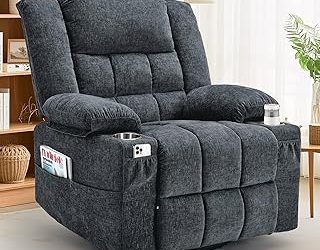
VANSOFY Stretch Recliner Chair Cover, Dark Gray
The knit here has genuine four-way recovery, so it snaps back to shape after the footrest cycles up and down rather than staying stretched out at the hinge. The side pocket is deep enough for a remote and a paperback, and the dark gray reads as intentional upholstery from across the room instead of a cover.
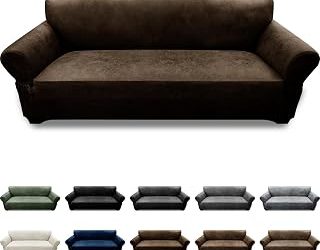
Chocolate Jacquard Stretch Recliner Slipcover
The jacquard texture is doing real work: the raised weave breaks up light and disguises the seams and puckering that make cheap covers obvious. Slightly heavier hand than plain knits, which helps it drape over sculpted arms without ballooning, and chocolate is forgiving with both mud and cocoa.
H.VERSAILTEX Velvet Stretch 4-Piece Recliner Cover, Ivory
This is the pick for anyone who cares how the chair looks. Covering the seat, back, and arms as separate pieces means each section moves with the mechanism instead of fighting it, and the non-slip backing keeps things honest through daily reclining. Budget twenty minutes for the first install and mark your foam-strip placement so re-fitting after a wash is quick.
Ameritex Waterproof Nonslip Recliner Cover, Beige
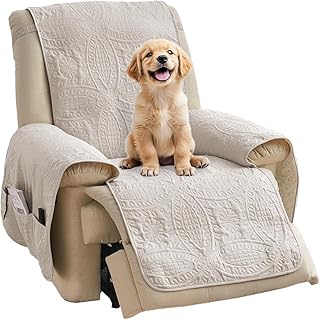
A dedicated protector rather than a decorative cover, with a true waterproof membrane that stops accidents at the surface. Sized at 23″ and built to stay in place, it’s the one I’d put under an older dog or a sick kid — wash cold, dry low, and the laminate holds up for years.
Frequently Asked Questions
Will a slipcover work on a rocker recliner or wall-hugger?
Yes, though multi-piece sets handle rocking motion better. On wall-huggers, the tight back-to-wall clearance means excess fabric has nowhere to hide, so choose a snug size and secure the back panel with tuck-in strips.
How do I stop the cover from sliding every time someone sits down?
Roll a bath towel or use the included foam tubes and jam them deep into the crevice where the seat meets the back and arms. Combined with the elastic hem, this creates friction points the fabric can pull against.
Are waterproof covers hot or crinkly to sit on?
Modern laminates like the one on the Ameritex are quiet and breathable enough for normal use. You’ll notice a slight difference from bare upholstery, but it’s nothing like the plastic sheeting of a decade ago.
Can I put a stretch cover over an existing damaged recliner?
Absolutely — that’s one of the best uses for these. Cracked leather or torn fabric should be smoothed and taped first so sharp edges don’t abrade the cover from underneath, and consider a quilted option like the Beige Quilted Recliner Cover to mask lumps and worn foam.
Final Thoughts
For most homes, the H.VERSAILTEX Velvet 4-Piece set delivers the closest thing to real reupholstery and stays put through daily reclining, while the VANSOFY Stretch Cover in dark gray is the fastest, most forgiving one-piece install for a busy household. If your priority is pure protection over appearance, the Ameritex Waterproof Cover is the one that will actually keep a mess from reaching the cushions.