Key takeaways
- Motor architecture: Single-motor chairs move the back and footrest together on one track, which is fine for casual use. Dual-motor designs let the backrest and legs operate independently, unlocking near-flat and zero-gravity positions — worth the premium for anyone who naps in the chair or needs elevated legs for circulation.
- Sizing against the sitter, not the room: Measure from the back of the knee to the heel and from tailbone to shoulder. A seat too deep leaves feet dangling and shifts pressure to the thighs; too shallow and the lift function pushes rather than supports. Big-and-tall variants exist for a reason.
- Wall clearance and footprint: Most of these need 8 to 14 inches behind them at full recline. Sketch the layout before ordering, and account for the footrest extension eating into walkway space.
- Upholstery trade-offs: Faux leather wipes clean in seconds, which matters for spills and medical use, but it gets sticky in summer and can crack over years. Plush fabric breathes better and hides wear, though it needs a vacuum attachment and occasional spot treatment.
- Assembly reality check: Backrests on these units are heavy and typically slot onto steel brackets. Plan for two people and 30 to 45 minutes. Confirm the remote is hardwired to the motor box and that the battery backup port is accessible — you’ll want it during a power outage.
What's inside
Shopping for a lift recliner feels deceptively simple until you’re standing in a showroom with a tape measure, wondering why one chair launches Dad forward like a catapult while another eases him up without a wobble. The gap between those two experiences comes down to motor count, frame geometry, and how the lift mechanism distributes weight — details that rarely make it into a product title. Add in the practical stuff nobody warns you about (doorway clearance, wall gap when reclined, whether the power cord reaches an outlet without a trip hazard), and a straightforward purchase turns into a research project.
I’ve assembled and tested enough of these chairs to know where the compromises hide. Below you’ll find the models worth your attention in 2026, plus a buying framework built around what actually matters once the box is open and the packing foam is in the recycling bin. Every pick here is a legitimate lift chair with an assist mechanism, not a standard recliner dressed up with marketing language.
As an Amazon Associate we earn from qualifying purchases.


How to Choose a Consumer Reports Best Recliner Chair For Elderly (2026)
- Motor architecture: Single-motor chairs move the back and footrest together on one track, which is fine for casual use. Dual-motor designs let the backrest and legs operate independently, unlocking near-flat and zero-gravity positions — worth the premium for anyone who naps in the chair or needs elevated legs for circulation.
- Sizing against the sitter, not the room: Measure from the back of the knee to the heel and from tailbone to shoulder. A seat too deep leaves feet dangling and shifts pressure to the thighs; too shallow and the lift function pushes rather than supports. Big-and-tall variants exist for a reason.
- Wall clearance and footprint: Most of these need 8 to 14 inches behind them at full recline. Sketch the layout before ordering, and account for the footrest extension eating into walkway space.
- Upholstery trade-offs: Faux leather wipes clean in seconds, which matters for spills and medical use, but it gets sticky in summer and can crack over years. Plush fabric breathes better and hides wear, though it needs a vacuum attachment and occasional spot treatment.
- Assembly reality check: Backrests on these units are heavy and typically slot onto steel brackets. Plan for two people and 30 to 45 minutes. Confirm the remote is hardwired to the motor box and that the battery backup port is accessible — you’ll want it during a power outage.
The Best Consumer Reports Best Recliner Chair For Elderly (2026)s Reviewed
Big and Tall Power Lift Recliner with Massage and Heat
Built on a wider frame with a reinforced base, this one earns its keep for taller or heavier users who bottom out standard chairs. The four side pockets and USB port keep remotes, readers, and phones within arm’s reach, which sounds minor until you’ve watched someone twist sideways reaching for a charger.
MCombo 7040 Lift Recliner with Heat and Massage
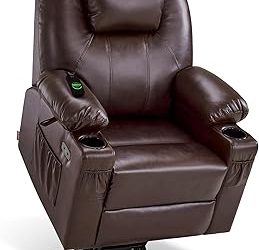
MCombo’s 7040 hits the sweet spot on build quality for the money, with FSC-certified framing and both USB-A and Type-C charging built into the arm. The dark brown faux leather cleans up easily, and the cup holders sit at a genuinely usable height rather than being tucked awkwardly under the armrest.
Tami T6015 Dual Motor Infinite Position Lift Chair
The dual-motor system here is the real selling point — backrest and footrest move independently, so you can dial in a true zero-gravity position with legs above heart level. The adjustable headrest is a genuinely useful addition for anyone who reads or watches TV for long stretches without craning their neck.
MCombo 7287 Fabric Lift Recliner
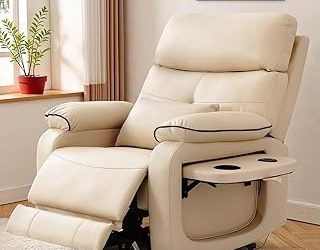
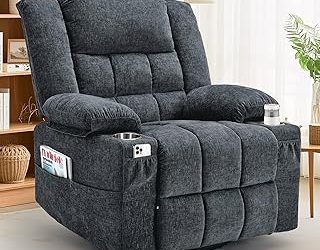
A pared-back option that skips heat and massage in favor of nailing the fundamentals: smooth 140° recline, a 4.7-inch extra footrest extension for taller legs, and assembly that genuinely goes quickly. The light grey fabric suits rooms where a bulky brown leather chair would dominate.
MAHOMICO Lift Recliner with Massage and Lumbar Heat
The targeted lumbar heating element sits where lower-back stiffness actually lives, and the vibration massage runs quietly enough not to interfere with the television. Storage is thoughtfully placed, with a side pocket and dual cup holders that don’t compromise armrest comfort.
Frequently Asked Questions
What’s the practical difference between one and two motors?
Single-motor chairs link the back and footrest to one actuator, giving you a fixed recline arc. Dual-motor models control each independently, which means infinite positioning and the ability to elevate legs while sitting upright. If leg elevation is medically relevant, go dual.
Do these chairs work during a power outage?
Most include a 9V battery backup that provides enough charge to return the chair from reclined to upright once. Install a fresh battery during assembly and swap it annually — discovering it’s dead mid-outage is a bad time.
How much space do I need behind the chair?
Budget 8 to 14 inches depending on the model. Some wall-hugger designs slide forward as they recline and need as little as 4 inches, but the models here are standard-clearance, so measure before committing.
Can one person assemble these?
Technically yes, realistically no. The backrest alone often weighs 40 pounds and needs to be lifted and aligned onto brackets simultaneously. Recruit help, and keep the box flattened nearby as a work surface to avoid scuffing floors.
Final Thoughts
For most households, the MCombo 7040 offers the strongest balance of build quality, charging convenience, and easy-clean upholstery at a fair price. Anyone needing true leg elevation or extended reclined comfort should spend up for the Tami T6015 and its dual-motor infinite positioning, while the Big and Tall Power Lift Recliner remains the sensible answer for larger users who need a frame that won’t flex under load.