Key takeaways
- Base construction: Look for a metal swivel plate with sealed ball bearings rather than a plastic ring. Flip the chair during assembly and check whether the base bolts thread into steel inserts or directly into particleboard — the former survives years of daily rotation, the latter loosens and starts to wobble.
- Recline mechanism: Manual push-back reclining is simpler and has fewer failure points than lever or powered systems, but it demands enough body weight to engage. Lighter users and anyone with mobility limits should test the resistance or choose a lever-actuated model instead.
- Upholstery for real life: Chenille feels plush and hides light wear well, but it snags on pet claws. Corduroy resists pilling and cleans up easily. Whatever you pick, check whether covers are removable — that single feature determines whether a spill is a five-minute fix or a permanent stain.
- Footprint versus recline clearance: Measure the space behind the chair, not just under it. A compact 30-inch-wide frame can still need 12 to 18 inches of rear clearance when fully reclined, and a swivel base means you also need arc room on all sides.
- Assembly reality check: Most of these ship in one or two boxes with the back detaching from the seat. Budget 20 to 40 minutes, keep a hand driver nearby for the final torque, and never fully tighten one bolt before the others are seated — that’s how you end up with a misaligned back panel.
What's inside
Shopping for a swivel rocker is one of those purchases where the marketing photos tell you almost nothing useful. Every listing shows a clean beige chair in a sunlit nursery, and none of them tell you whether the swivel base groans after six months, whether the recline mechanism needs a body slam to engage, or whether the seat depth actually fits someone under 5’4″. If you’ve ever assembled flat-pack furniture and found the bolt holes off by a few millimeters, you already know the gap between product page and living room reality.
I approached this roundup the way I approach any build: looking at joinery, hardware quality, and how the thing behaves under load. Below you’ll find picks that hold up in small apartments and full-size living rooms alike, plus a buying framework covering base construction, upholstery wear, recline type, and the assembly steps most people underestimate. Whether you’re outfitting a nursery or replacing a tired armchair, the goal here is a chair you won’t be shimming with felt pads next spring.
As an Amazon Associate we earn from qualifying purchases.


How to Choose a Chair Swivel Rocker (2026)
- Base construction: Look for a metal swivel plate with sealed ball bearings rather than a plastic ring. Flip the chair during assembly and check whether the base bolts thread into steel inserts or directly into particleboard — the former survives years of daily rotation, the latter loosens and starts to wobble.
- Recline mechanism: Manual push-back reclining is simpler and has fewer failure points than lever or powered systems, but it demands enough body weight to engage. Lighter users and anyone with mobility limits should test the resistance or choose a lever-actuated model instead.
- Upholstery for real life: Chenille feels plush and hides light wear well, but it snags on pet claws. Corduroy resists pilling and cleans up easily. Whatever you pick, check whether covers are removable — that single feature determines whether a spill is a five-minute fix or a permanent stain.
- Footprint versus recline clearance: Measure the space behind the chair, not just under it. A compact 30-inch-wide frame can still need 12 to 18 inches of rear clearance when fully reclined, and a swivel base means you also need arc room on all sides.
- Assembly reality check: Most of these ship in one or two boxes with the back detaching from the seat. Budget 20 to 40 minutes, keep a hand driver nearby for the final torque, and never fully tighten one bolt before the others are seated — that’s how you end up with a misaligned back panel.
The Best Chair Swivel Rocker (2026)s Reviewed
Korser Chenille Swivel Rocker Recliner
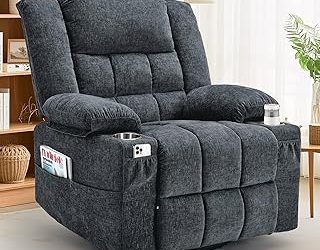
The chenille upholstery and side pockets make this the most practical pick for a nursery or reading corner, and the compact frame genuinely fits tight spaces without feeling like a compromise. The manual recline is smooth once broken in, though expect the first week to feel stiff as the mechanism seats itself.
Harkawon Swivel Rocker Recliner
The high back and deep seat make this the best choice for taller users, who often find nursery gliders leave their shoulders unsupported. Assembly is straightforward with well-labeled hardware, and the glider action stays quiet under regular use.
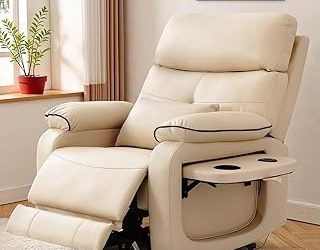
Swivel Rocker Recliner in White
A clean, bright option for lighter interiors, with a manual recline that feels reasonably controlled rather than dropping abruptly. The pale upholstery demands more upkeep, so factor in a fabric protector spray before it goes into service.
Corduroy Swivel Accent Chair
The corduroy is the standout feature here — it’s the most durable fabric in this group and resists the flattening that plagues plush weaves. It’s an accent chair with rocker and swivel function rather than a full recliner, which makes it the tidiest option for smaller rooms.
Korser 360 Swivel Rocker Recliner
Full 360-degree rotation combined with a genuinely small footprint makes this the right answer for apartments and bonus rooms with awkward layouts. The light khaki variant is more forgiving of everyday wear than the paler colorways.
Frequently Asked Questions
Can I lock the swivel function?
Most models in this range don’t include a swivel lock. If you need one stationary — say, next to a side table you don’t want clipped — a rubber wedge under the base rim works as a low-tech fix.
How do I fix a squeaking swivel base?
Tip the chair, clean the bearing race with a dry cloth, and apply a small amount of white lithium grease. Avoid spray lubricants that run and stain the fabric skirt.
Are these safe on hardwood floors?
Generally yes, but the plastic base feet can mark over time. Adding self-adhesive felt pads before first use is a five-minute step that saves refinishing later.
Do I need a second person for assembly?
Not usually, though seating the back onto the seat brackets is easier with help. Working on a rug protects both the finish and your floor.
Final Thoughts
For most buyers, the Korser Chenille Swivel Rocker Recliner is the best all-around pick thanks to its compact frame and useful side pockets, while the Harkawon is the clear choice if you need a taller back and deeper seat. If durability matters more than plushness, the Corduroy Swivel Accent Chair will look presentable years after the softer fabrics have started to flatten.