Key takeaways
- Rip capacity versus bench footprint: A 52-inch system swallows sheet goods but adds roughly four feet of rail to your right side. Measure the walking lane in your shop before committing, and remember the rail sticks out whether the fence is parked there or not.
- Mounting pattern and table thickness: Cabinet saws, contractor saws, and jobsite saws all bolt up differently. Check your front rail hole spacing and table edge thickness against the kit’s specs, since some systems assume a cast-iron top and others are built for stamped aluminum.
- T-slots and accessory tracks: Slots along the fence face let you hang featherboards, stop blocks, and sacrificial subfences without drilling. Eight slots gives you far more staging room than a single top-mounted channel.
- Lock geometry: Look for a cam or over-center lever that clamps front and back simultaneously. Front-only clamping is the main reason budget fences skew, and no amount of retightening cures it.
- Height modes and jointing ability: Fences that flip between tall and low profiles, or accept an L-fence attachment, let you rip thin strips safely and edge-joint stock without moving to another machine. That versatility earns its keep in a small shop.
What's inside
The stock fence on most table saws is the weakest link in the whole machine. You dial in a rip cut, tighten the lock, and the tail end of the fence drifts a few thousandths out of parallel. Then you spend the rest of the afternoon wondering why your face frames won’t close up tight. Cheap castings flex, single-point clamps pivot under hand pressure, and the scales printed on the rail stop being trustworthy the first time you bump the saw moving it across the shop.
An aftermarket fence system fixes that at the root. You get a rigid extruded body, rails that reference off the saw table rather than the sheet-metal wing, and enough rip capacity to break down a full sheet of plywood without a helper. This guide walks through six fence upgrades worth installing in 2026, from full XTENDER kits with integrated featherboards to classic T-square systems for cabinet saws, plus the measurements you should take before you order anything.
As an Amazon Associate we earn from qualifying purchases.


🛒 Best Price Today on Amazon
Prime members get fast, free shipping on everything above, plus member-only deals. New members get a 30-day free trial — cancel anytime.
How to Choose a/an Aftermarket Table Saw Fence System (2026)
- Rip capacity versus bench footprint: A 52-inch system swallows sheet goods but adds roughly four feet of rail to your right side. Measure the walking lane in your shop before committing, and remember the rail sticks out whether the fence is parked there or not.
- Mounting pattern and table thickness: Cabinet saws, contractor saws, and jobsite saws all bolt up differently. Check your front rail hole spacing and table edge thickness against the kit’s specs, since some systems assume a cast-iron top and others are built for stamped aluminum.
- T-slots and accessory tracks: Slots along the fence face let you hang featherboards, stop blocks, and sacrificial subfences without drilling. Eight slots gives you far more staging room than a single top-mounted channel.
- Lock geometry: Look for a cam or over-center lever that clamps front and back simultaneously. Front-only clamping is the main reason budget fences skew, and no amount of retightening cures it.
- Height modes and jointing ability: Fences that flip between tall and low profiles, or accept an L-fence attachment, let you rip thin strips safely and edge-joint stock without moving to another machine. That versatility earns its keep in a small shop.
The Best Aftermarket Table Saw Fence System (2026)s Reviewed
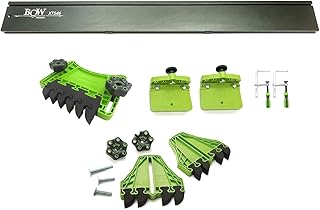
BOW Products Ultimate Table Saw XTENDER & Safety Kit
This is the most complete package here: a 46-inch XT XTENDER fence, two support feeds, T-track clamps, and both the FeatherPRO and FencePRO featherboards in one box. The extruded body rides your existing fence rather than replacing the rails, which makes it a genuine weekend install and a smart move if your saw’s factory fence tracks fine but lacks capacity and hold-down options.
Delta 36-T30T3 T3 Fence System, 30-Inch
The T3 is a proven T-square design with a beefy front rail and a lever that seats the fence square every time. Thirty inches of rip is plenty for cabinet parts and hardwood stock, and the machined faces stay flat enough that you can reference a dial indicator against them without wincing.
O’SKOOL 46-Inch Rip Fence Extension Kit
Eight T-slots, three configurations, and included featherboards make this the most flexible system for the money. The high-low mode plus L-fence lets you rip 1/8-inch strips and edge-joint rough lumber on the same setup, which is a real advantage if you don’t own a jointer.
Peachtree Uni Style Table Saw Fence
Built around the classic Unifence sliding-face concept, the extruded aluminum body slides fore and aft so you can position it behind the blade for narrow rips or crosscut stops. The included sacrificial subfence means you can bury a dado blade without chewing up the fence itself.
BOW Products Ultimate Jobsite Saw XTENDER & Safety Kit
Same 46-inch XTENDER platform, but tuned for portable saws with the FP5 featherboard sized for smaller tables. If you’re running a jobsite saw as your primary machine, this transforms a twitchy stock fence into something you can trust on repeat cuts.
Frequently Asked Questions
Will an aftermarket fence fit my saw?
Most systems list compatible models, but the honest answer is to measure your front rail bolt pattern, table edge thickness, and distance from blade to table edge. Universal kits usually include shims and slotted brackets to absorb small differences.
Do I need to rebuild my saw’s table to fit a 52-inch rail?
Not rebuild, but you will need an extension wing or a shop-built melamine table to support stock across that span. Plan the outfeed and side support as part of the install rather than an afterthought.
How accurate can I expect the scale to be?
After you calibrate against a known reference, good systems hold within a few thousandths. Still verify with a rule or test cut on critical joinery; the scale is a fast approach, not a final authority.
Are featherboards actually worth including?
Yes. Consistent pressure against the fence eliminates the drift that causes burn marks and tapered rips, and it keeps your hands well clear of the blade path.
Final Thoughts
For a full upgrade with hold-downs already sorted, the BOW Products Ultimate Table Saw XTENDER kit is the strongest all-in-one buy. If you want maximum configurability at a friendlier price, the O’SKOOL 46-inch system with its eight T-slots and L-fence modes is hard to beat, and cabinet saw owners chasing rock-solid repeatability should look at the Delta T3.