Key takeaways
- Keep a pack of white microfiber cloths reserved for the sofa only — colored cloths can transfer dye onto pale leather.
- Wipe spills immediately with a dry cloth, blotting rather than rubbing, then clean the whole panel so you don’t leave a clean patch.
- Rotate and flip cushions monthly so wear and soiling distribute evenly instead of concentrating in one seat.
- Position the sofa out of direct sunlight, or use a cleaner with UV protection to slow yellowing and finish breakdown.
What's inside
White leather is the most rewarding and least forgiving upholstery in any living room. It reflects light, opens up a space, and makes a room feel finished — right up until the day you notice a grey halo where everyone’s head rests, or a blue smudge transferred from a pair of jeans. The good news: most of what looks like permanent damage on a white sofa is surface soil sitting in the grain, and it comes out with the right technique and about twenty minutes of patient work.
This guide walks through the exact process I use on my own white leather sectional: how to identify your leather type before touching it with anything wet, the two-cloth cleaning method that actually lifts dirt instead of pushing it deeper, how to handle dye transfer and ink, and when to reach for a recoloring balm instead of a cleaner. You’ll also find the products that earn a spot in my cleaning caddy, plus the ones I’d skip entirely.
As an Amazon Associate we earn from qualifying purchases.




Identify Your Leather Before You Clean Anything
Nearly every white leather sofa sold in the last two decades is finished (pigmented) leather — it has a protective topcoat that keeps liquids from soaking straight into the hide. Test it: put one drop of water on a hidden spot near the back leg. If it beads up and sits there, you have finished leather and you can clean with confidence. If it darkens and absorbs within a few seconds, you’re dealing with aniline or semi-aniline leather, which is far thirstier and needs a specialist product with minimal moisture. Faux leather and PU behave like finished leather for cleaning purposes but hate solvents and heat. Check the tag under the cushion for a cleaning code while you’re down there.
The Two-Cloth Method That Actually Works
Vacuum first with a soft brush attachment, paying attention to the seams and the crease where the seat meets the back — that’s where grit collects and abrades the finish over time. Then work in sections roughly two feet square. Dampen a microfiber cloth with your cleaner, wring it out until it’s barely moist, and wipe in overlapping circles. Immediately follow with a second clean, dry cloth to lift the loosened soil off the surface. This second pass is the whole trick: if you skip it, you’re just redistributing dirt into the grain, which is exactly how white leather turns grey. Leather Honey’s cleaner dilutes heavily and rinses clean without leaving a tacky film, which makes it my default for large surfaces. For a one-bottle approach, the Weiman Leather Cleaner & Conditioner handles both steps in a single pass and is genuinely convenient for monthly upkeep.
Tackling Dye Transfer, Ink, and Body Oils
Denim transfer is the classic white-sofa problem, and it responds well to repeated gentle cleaning rather than one aggressive attempt. Three light passes will always beat one hard scrub. Ballpoint ink is different — it needs a dedicated leather ink remover, applied with a cotton swab to the mark only, never rubbed across the surrounding area. Body oils build up on armrests and headrests as a yellowish sheen; these need a degreasing pass with a leather cleaner rather than a conditioner, since conditioning over grease just seals it in. Whatever you do, keep acetone, nail polish remover, bleach, and household all-purpose spray away from the sofa. They strip the topcoat, and once that’s gone the leather absorbs every future stain permanently.
Conditioning: The Step Most People Skip
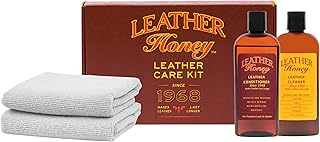
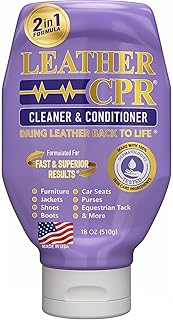
Cleaning removes oils along with dirt, and unconditioned leather stiffens and then cracks along the flex points. Condition two to four times a year depending on sunlight exposure and how hard the sofa gets used. Apply thinly — a dime-sized amount per section — and buff off any excess after fifteen minutes, because leftover product attracts dust and turns dingy fast. The Leather Honey Complete Care Kit bundles cleaner, conditioner, and cloths, which saves you from mismatching chemistries between brands. Leather CPR Cleaner and Conditioner is another solid pick that restores a bit of softness in one step on older, drier hides.
When Cleaning Isn’t Enough: Recoloring
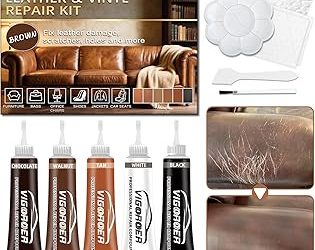
If you’ve cleaned thoroughly and still see grey shadows, scuffs, or worn edges, the pigment layer itself is damaged and no cleaner will fix that. A white leather recoloring balm with mink oil rebuilds color into scratches and worn patches, and it’s remarkably effective on the front edges of cushions and the outer corners of armrests. Test on a hidden panel first to confirm the shade matches your particular white — “white” spans a wide range from bright to cream. Build in thin coats and let each dry fully.
Tips
- Keep a pack of white microfiber cloths reserved for the sofa only — colored cloths can transfer dye onto pale leather.
- Wipe spills immediately with a dry cloth, blotting rather than rubbing, then clean the whole panel so you don’t leave a clean patch.
- Rotate and flip cushions monthly so wear and soiling distribute evenly instead of concentrating in one seat.
- Position the sofa out of direct sunlight, or use a cleaner with UV protection to slow yellowing and finish breakdown.
Frequently Asked Questions
Can I use baby wipes on white leather?
Not regularly. Most contain surfactants and alcohols that gradually dull the topcoat, and the moisture they leave behind can lift the finish over time. Use them only for genuine emergencies, then follow up with a proper leather cleaner.
How often should I clean a white leather sofa?
Vacuum weekly, wipe down with a damp cloth every two weeks, and do a full clean every one to three months depending on use. Households with kids, pets, or daily dark-denim contact should lean toward monthly.
Will magic erasers remove scuffs from white leather?
They will, along with the pigment underneath. Melamine foam is a fine abrasive and it sands the finish off leather. Use a recoloring balm for scuffs instead.
Why does my white sofa look yellow?
Usually UV exposure, accumulated body oils, or old conditioner residue that has oxidized. Clean thoroughly first — if the yellow persists after a degreasing pass, the finish itself has aged and a recoloring balm is the practical fix.
Conclusion
A white leather sofa stays white through consistent light maintenance rather than occasional heroic scrubbing. Confirm your leather type, use the damp-cloth-then-dry-cloth method in small sections, condition a few times a year, and keep a recoloring balm on hand for the inevitable scuffs — that combination will keep the piece looking sharp for a decade or more with very little effort per session.