Key takeaways
- Measure your clearance twice: Manual push-back models typically need 4 to 6 inches behind them; full lay-flat power recliners can want 14 or more. Tape the footprint on your floor, extend it forward by the footrest length, and check that a walkway still exists.
- Single vs. dual motor: Single-motor units move the back and footrest together on one track. Dual-motor designs drive them independently, which is what makes infinite positioning and true zero-gravity angles possible. If you plan to nap in the chair, dual motor is the meaningful upgrade.
- Match seat width to the sitter, not the room: A 20-inch seat feels snug for anyone over about 240 pounds. Extra-wide builds around 26 inches give side-to-side room but eat roughly half a foot of wall space — worth trading if comfort is the priority.
- Inspect the frame spec: Look for hardwood or steel-reinforced framing and a stated weight capacity. Chairs that list only “engineered wood” with no capacity figure are the ones that develop a creak in month eight.
- Decide which extras you’ll actually use: USB-C ports, wireless charging pads, and cup holders earn their keep daily. Vibration massage is pleasant but shallow; heat in the lumbar zone is the feature most owners keep switching on.
What's inside
Anyone who has assembled furniture in their own living room knows the gap between a product photo and the reality of a recliner in your space. The listing shows a sleek silhouette; you get a 90-pound box, a mechanism that needs 14 inches of wall clearance nobody mentioned, and a footrest that stops six inches short of where your heels actually land. The frustration usually isn’t the chair itself — it’s discovering the mismatch after you’ve already torqued the last bolt.
This guide takes the maker’s approach: looking at frame construction, motor architecture, and clearance math before getting distracted by upholstery swatches. We’ve sorted through push-back manuals, dual-motor lift chairs, and swivel rockers to cover the range from a compact home-theater seat to an oversized lay-flat unit with heat and massage. Below you’ll find the picks, followed by the specs that actually determine whether a recliner works in your room.
As an Amazon Associate we earn from qualifying purchases.



How to Choose a Chair Recliner (2026)
- Measure your clearance twice: Manual push-back models typically need 4 to 6 inches behind them; full lay-flat power recliners can want 14 or more. Tape the footprint on your floor, extend it forward by the footrest length, and check that a walkway still exists.
- Single vs. dual motor: Single-motor units move the back and footrest together on one track. Dual-motor designs drive them independently, which is what makes infinite positioning and true zero-gravity angles possible. If you plan to nap in the chair, dual motor is the meaningful upgrade.
- Match seat width to the sitter, not the room: A 20-inch seat feels snug for anyone over about 240 pounds. Extra-wide builds around 26 inches give side-to-side room but eat roughly half a foot of wall space — worth trading if comfort is the priority.
- Inspect the frame spec: Look for hardwood or steel-reinforced framing and a stated weight capacity. Chairs that list only “engineered wood” with no capacity figure are the ones that develop a creak in month eight.
- Decide which extras you’ll actually use: USB-C ports, wireless charging pads, and cup holders earn their keep daily. Vibration massage is pleasant but shallow; heat in the lumbar zone is the feature most owners keep switching on.
The Best Chair Recliner (2026)s Reviewed
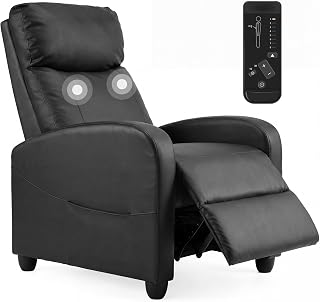
Homall PU Leather Recliner
The straightforward pick: a manual push-back seat with built-in lumbar support and a footprint that suits smaller living rooms and media corners. Assembly is genuinely simple — the back slots onto the base with brackets, no motor wiring — which makes it the easiest of this group to move upstairs solo.
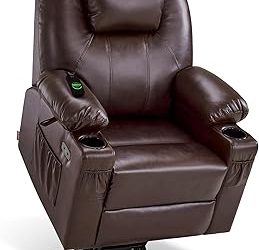
Dual Motor Power Lift Recliner with Heat & Massage
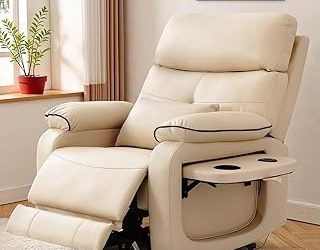
Independent back and leg motors deliver true infinite positioning, including a flat sleep angle and a powered lift that tilts you toward standing. The wireless charging pad and USB ports mean it doubles as a workstation, and the beige leather hides wear better than darker finishes.
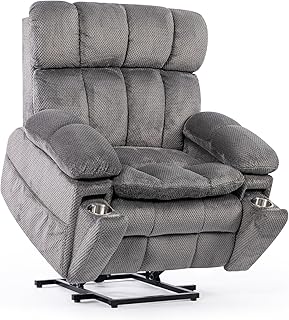
26″ Extra Wide Dual Motor Lift Chair
Built for larger frames and longer sitting sessions, with a supportive headrest and flip-arm storage that swallows a remote and a paperback. The zero-gravity preset takes pressure off the lower back — measure your clearance carefully, since this one needs real room to fully extend.
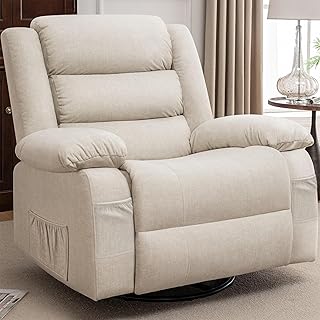
Korser Oversized Swivel Rocker Recliner
A 360-degree swivel base plus glider motion makes this the most versatile pick for nurseries and open-plan rooms where you need to pivot toward the TV or the crib. The cashmere-feel fabric is softer underhand than the leather options, though it needs more frequent vacuuming.
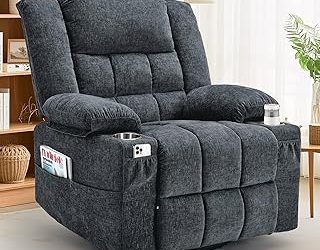
Massage Recliner with Fabric Upholstery
The ink-colored fabric build offers the same home-theater geometry and lumbar support as the leather models while running cooler in warm rooms. A sensible middle option if you want massage function without the price and bulk of a lift mechanism.
Frequently Asked Questions
How much wall clearance does a recliner really need?
Manual push-back designs usually need 4 to 6 inches. Power lift chairs that lay flat can require 14 to 18 inches. Always confirm the manufacturer’s figure rather than eyeballing it, and remember the footrest extends forward too.
Is a power lift recliner worth it over a manual model?
If standing up unassisted is difficult, yes — the lift function is genuinely mobility-assisting rather than a luxury. For anyone with no mobility concerns, a manual recliner delivers similar comfort with no cords, no motors, and nothing to fail electronically.
How hard is assembly on these chairs?
Most arrive in two or three pieces with a bracket-and-slot system that takes 20 to 40 minutes. Power models add a wiring harness connection under the seat — clip the connectors before you set the chair upright, or you’ll be lying on the floor doing it afterward.
Leather or fabric?
PU leather wipes clean in seconds and suits households with kids or pets, but it gets sticky in humid weather. Fabric breathes better and feels warmer to sit on, at the cost of needing regular vacuuming and occasional spot treatment.
Final Thoughts
For most buyers, the Dual Motor Power Lift Recliner with Heat & Massage is the strongest all-round choice — independent motors, a flat sleep position, and charging built in. Larger sitters should size up to the 26″ Extra Wide Dual Motor Lift Chair, while anyone furnishing a nursery or tight media room will get more use from the swivel action of the Korser Oversized Rocker Recliner.