Key takeaways
- Measure your seat-to-desk gap first: Set your desk to standing height, then subtract 10 to 12 inches for comfortable seat height. Most drafting chairs adjust between 23 and 33 inches, so confirm your target falls in the middle of that range rather than at the extreme top of the cylinder.
- Footrest ring adjustability: A fixed ring is a compromise. Look for a ring that slides independently on the column so you can dial in knee angle after you’ve set seat height. Rings that clamp with a single bolt tend to hold better than snap-fit plastic collars.
- Flip-up arms for desk clearance: Raised desks put the underside right at armrest level. Arms that fold vertically let you roll fully under the work surface instead of parking six inches back and reaching.
- Base diameter and caster quality: Taller seats raise your center of gravity, so a wider five-star base matters more here than on a standard chair. Check the caster stem diameter too, since 11mm stems are the common replacement size if the stock wheels chew up hardwood.
- Lumbar support that actually adjusts: Perching changes your pelvic angle, which means the lumbar curve needs to sit higher than it would in a reclined position. Height-adjustable lumbar pads are worth the small premium over molded foam.
What's inside
Anyone who has retrofitted a sit-stand setup knows the awkward middle ground: you raise the desk to 42 inches, feel great for an hour, then your calves start complaining and there’s nowhere to land. A standard task chair tops out around 21 inches of seat height, which leaves you either cranking the desk back down or perching on a kitchen stool with zero back support. The fix isn’t more willpower. It’s a chair built for the height you actually work at.
Tall drafting chairs solve this by extending the pneumatic cylinder range and adding a footrest ring so your legs aren’t dangling. This guide covers what to look for in cylinder travel, footrest design, and armrest clearance, then walks through the models worth your money in 2026. I’ve focused on chairs that clear a raised desk without wobble, since that’s where most budget options fall apart.
As an Amazon Associate we earn from qualifying purchases.


🛒 Best Price Today on Amazon
Prime members get fast, free shipping on everything above, plus member-only deals. New members get a 30-day free trial — cancel anytime.
How to Choose a Chairs For Standing Desk (2026)
- Measure your seat-to-desk gap first: Set your desk to standing height, then subtract 10 to 12 inches for comfortable seat height. Most drafting chairs adjust between 23 and 33 inches, so confirm your target falls in the middle of that range rather than at the extreme top of the cylinder.
- Footrest ring adjustability: A fixed ring is a compromise. Look for a ring that slides independently on the column so you can dial in knee angle after you’ve set seat height. Rings that clamp with a single bolt tend to hold better than snap-fit plastic collars.
- Flip-up arms for desk clearance: Raised desks put the underside right at armrest level. Arms that fold vertically let you roll fully under the work surface instead of parking six inches back and reaching.
- Base diameter and caster quality: Taller seats raise your center of gravity, so a wider five-star base matters more here than on a standard chair. Check the caster stem diameter too, since 11mm stems are the common replacement size if the stock wheels chew up hardwood.
- Lumbar support that actually adjusts: Perching changes your pelvic angle, which means the lumbar curve needs to sit higher than it would in a reclined position. Height-adjustable lumbar pads are worth the small premium over molded foam.
The Best Chairs For Standing Desk (2026)s Reviewed
Drafting Chair Tall Office Chair with Flip-up Armrests and Adjustable Footrest Ring
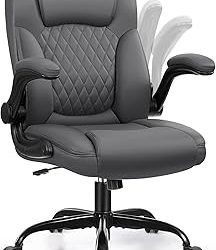
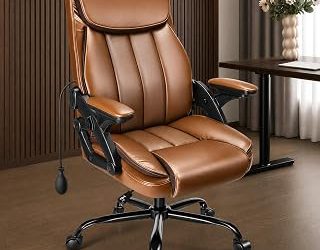
This is the well-rounded pick: generous cylinder travel, flip-up arms that clear a raised desktop, and a footrest ring you can reposition without pulling the chair apart. The lumbar support is height-adjustable, which makes a real difference when you’re perched forward rather than leaning back.
High-Back Mesh Standing Desk Stool with Footrest Ring
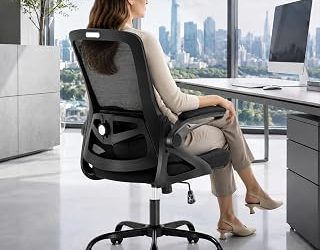
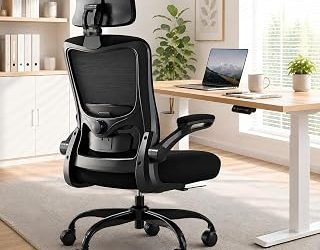
The tall mesh back is the differentiator here, giving you shoulder-blade coverage that most drafting stools skip entirely. Best choice if you run warm or work in a room without great airflow, since the mesh panel breathes far better than padded upholstery.
Executive Mesh Office Chair with Adjustable Lumbar and Flip-Up Arms
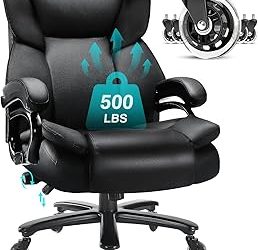
Rated to 400 pounds with a beefier frame and base, this one trades some seat height for stability and durability. Worth considering if you split time between a raised desk and a standard one, or if lighter drafting chairs have flexed on you before.
Ergonomic Drafting Chair with Flip-Up Arms and Counter-Height Adjustment
Counter-height tuning makes this a good fit for kitchen-island workstations and shop benches, not just office desks. Assembly is straightforward, though I’d recommend torquing the base bolts a second time after a week of use.
Armless Drafting Chair with Footrest and Wheels
Skipping the arms entirely is the right call for tight setups or anyone who pivots between a monitor and a bench. The high back still gives you something to lean into, and the smaller footprint tucks under narrow desks that boxier chairs can’t reach.
Frequently Asked Questions
Do I still need a footrest ring if my floor is close enough?
If your feet rest flat with knees at roughly 90 degrees, no. But at true standing-desk height, most people are 8 to 14 inches off the ground, and dangling legs put pressure on the back of your thighs and restrict circulation.
Will a drafting chair fit under a standard 29-inch desk?
Yes, as long as the cylinder bottoms out below about 24 inches and the arms flip up. Check the minimum seat height in the specs rather than the maximum.
How do I stop the chair from sinking over time?
Gradual sinking means a failing gas cylinder, not a defect in the seat. Replacement cylinders in drafting-chair lengths are inexpensive and swap out with a rubber mallet and a pipe wrench in about fifteen minutes.
Should I use a chair mat?
On carpet, yes, since soft-surface casters need a hard rolling plane to work properly at this height. On hardwood, swap the stock casters for polyurethane rollers instead.
Final Thoughts
For most home setups, the Drafting Chair with Flip-up Armrests and Adjustable Footrest Ring is the one I’d buy first: it hits the right height range and the adjustable ring lets you fine-tune leg angle over time. If breathability is your priority, go with the High-Back Mesh Standing Desk Stool, and if you need a heavier-duty frame with more forgiving weight capacity, the 400-pound-rated Executive Mesh Chair is the safer long-term investment.