Key takeaways
- Base and cylinder class: Look for a metal five-star base and a Class 3 or Class 4 pneumatic cylinder. Both are standardized parts — a sagging lift is a fifteen-minute swap with a pipe wrench, but only if the base underneath it hasn’t already cracked.
- Real weight rating, not a marketing number: A 500 lb rating usually signals thicker gauge steel in the frame and a wider seat pan, which benefits everyone. If you are over 250 lb or sit eight-plus hours, size up deliberately rather than hoping a 250 lb chair holds.
- Foam density over foam thickness: Pocket-spring or high-resilience molded foam holds its shape; cheap shredded padding compresses into a flat pancake within months. Press hard with your palm — quick rebound is what you want.
- Caster material and stem size: Standard 11 mm grip-ring stems mean you can drop in polyurethane or rubber rollerblade casters for under twenty dollars. That single upgrade transforms a chair on hardwood or LVP, so treat stock wheels as a starting point.
- Adjustment points you will actually use: Seat height, tilt lock, and adjustable lumbar depth matter daily. 4D arms and headrests are genuinely useful if you switch between typing and reclining; skip paying for adjustments you will set once and forget.
What's inside
Anyone who has ever flipped a task chair upside down on a workbench knows the truth about this category: the price tag tells you almost nothing about how the thing is built. Under $500 you are shopping in a strange middle zone where a chair might hide a genuinely good gas cylinder and a stamped-steel base under thin foam, or bury a plastic mechanism housing beneath handsome stitched upholstery. Buyers get burned because the spec sheet talks about “lumbar support” and “ergonomic design” while staying silent on the parts that actually fail first — the class rating on the lift, the durometer of the casters, the thread depth in the seat plate.
This guide comes at the problem the way you would approach any piece of shop equipment: what is serviceable, what is replaceable, and what will still be holding your weight in year four. I have narrowed the field to six chairs spanning heavy-duty 500 lb builds, breathable mesh, and leather executive styling, then broken down the hardware decisions that separate a chair you tighten once from a chair you keep re-tightening.
As an Amazon Associate we earn from qualifying purchases.




🛒 Best Price Today on Amazon
Prime members get fast, free shipping on everything above, plus member-only deals. New members get a 30-day free trial — cancel anytime.
How to Choose an Office Chair Under 500 (2026)
- Base and cylinder class: Look for a metal five-star base and a Class 3 or Class 4 pneumatic cylinder. Both are standardized parts — a sagging lift is a fifteen-minute swap with a pipe wrench, but only if the base underneath it hasn’t already cracked.
- Real weight rating, not a marketing number: A 500 lb rating usually signals thicker gauge steel in the frame and a wider seat pan, which benefits everyone. If you are over 250 lb or sit eight-plus hours, size up deliberately rather than hoping a 250 lb chair holds.
- Foam density over foam thickness: Pocket-spring or high-resilience molded foam holds its shape; cheap shredded padding compresses into a flat pancake within months. Press hard with your palm — quick rebound is what you want.
- Caster material and stem size: Standard 11 mm grip-ring stems mean you can drop in polyurethane or rubber rollerblade casters for under twenty dollars. That single upgrade transforms a chair on hardwood or LVP, so treat stock wheels as a starting point.
- Adjustment points you will actually use: Seat height, tilt lock, and adjustable lumbar depth matter daily. 4D arms and headrests are genuinely useful if you switch between typing and reclining; skip paying for adjustments you will set once and forget.
The Best Office Chair Under 500 (2026)s Reviewed
500 lb Big and Tall Executive Chair with Pocket Spring Cushion
The pocket-spring seat is the standout here — it behaves more like a mattress than a foam slab, distributing load instead of bottoming out under the sit bones. Quiet rubber casters and an adjustable lumbar block make this the pick for heavier users on hard floors who want to skip aftermarket modifications entirely.
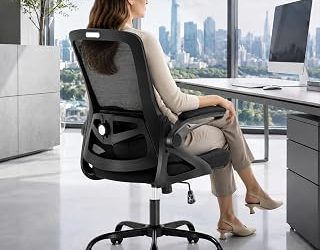
Ergonomic Chair for Long Hours with Padded Lumbar Support
A straightforward, well-proportioned chair built around one job: keeping the lower back supported through a long workday, with a 330 lb capacity that suits most users. The padded lumbar pad adjusts vertically so you can dial it into your actual lordosis rather than accepting a factory guess.
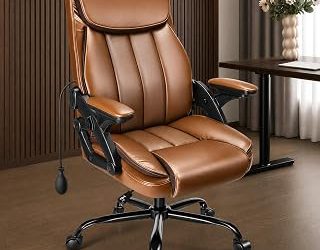
YFO Home Office Desk Chair in Brown Leather
This is the traditional-looking option, and the rubber casters are the detail worth noting — they roll quietly and won’t scar a wood floor. Expect classic executive proportions and a moderate recline; it suits a study or shared home office where the chair needs to look like furniture.
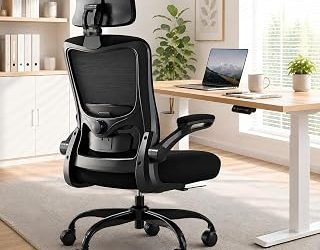
Ergonomic Mesh Chair with 4D Arms and 3D Headrest
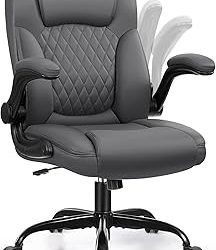
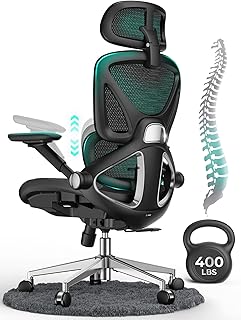
The most adjustable chair on this list, pairing a 400 lb frame with 4D flip-up arms, a three-position tilt lock, and a headrest that moves in three axes. Mesh keeps your back cool through summer afternoons, and the flip-up arms let it tuck fully under a desk when you are done.
500 lb Extra-Wide Executive Chair with Thick Armrest Pads
Built for back pain first: a wide seat pan, reinforced base, and upgraded wheels that handle real-world floors better than the usual nylon casters. The thick armrest padding is a small thing that pays off if you rest your forearms rather than hovering over the keyboard.
Frequently Asked Questions
Can I upgrade the casters myself?
Almost always, yes. Most office chairs use a universal 11 mm x 22 mm grip-ring stem — pull the old wheels straight out with a pry bar and a rag for leverage, then press the new ones in until they click.
How do I stop a chair from slowly sinking?
That is a failed gas cylinder, not a broken chair. Replacement cylinders are inexpensive and standardized; separating the old one usually takes a rubber mallet and patience rather than special tools.
Is mesh or padded upholstery better?
Mesh wins on airflow and long-term shape retention; padded seats feel plusher on day one and suit cooler rooms. If you run warm or work in an unconditioned space, mesh is the pragmatic call.
Does a heat and massage chair actually help?
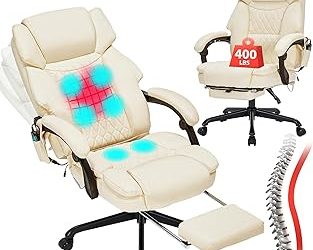
Vibration and heat are comfort features, not therapy — pleasant during a long afternoon, but no substitute for proper lumbar geometry. The massage office chair with footrest earns its place through the 500 lb frame and recline function as much as the six vibration points.
Final Thoughts
For most people, the Ergonomic Mesh Chair with 4D arms offers the widest adjustment range and the best cooling for the money. Heavier users and anyone dealing with genuine lower-back pain should look at the 500 lb pocket-spring executive chair or the extra-wide model with upgraded wheels — both are overbuilt in the places that matter, and both leave room for a caster or cylinder upgrade down the line.