Key takeaways
- Measure the cavity, not the fridge: Counter-depth typically means 24 to 30 inches deep excluding handles, so add an inch behind for the water line loop and confirm your doorway and hallway clearances before you buy — hinges and handles often come off for the squeeze.
- Ice maker location: In-door dispensers free up shelf space but eat into door bins and add failure points; in-freezer bins are simpler, quieter, and easier to service with a socket set and twenty minutes.
- Water supply reality check: You’ll need a nearby cold line and a saddle valve is a bad idea — install a proper quarter-turn compression stop, and budget for a braided stainless supply line rather than the plastic tubing in the box.
- Door swing and handle clearance: French doors need less arc than a single wide door, which matters in narrow kitchens. Check that the door opens past 90 degrees so crisper drawers actually clear the frame.
- Ambient temperature rating: If the unit lives in a garage, mudroom, or unconditioned patio, verify the operating range. Garage-ready and outdoor-rated models handle swings that will make a standard compressor cycle badly or quit outright.
What's inside
Standard-depth refrigerators stick out four to six inches past your cabinet fronts, and once you’ve lived with that stubborn overhang in a galley kitchen you never stop noticing it. Counter-depth models solve the geometry problem by trading a few inches of front-to-back cavity for a flush install, but the compromise gets tricky when you also want a built-in ice maker: plumbing, drainage, and the ice bin all compete for the same shallow real estate. That’s why so many shoppers end up cross-shopping a 25 cu. ft. French door against a 12 cu. ft. two-door and feeling like the specs aren’t speaking the same language.
I’ve spent enough weekends pulling fridges out of tight alcoves, shimming feet on uneven subfloor, and running quarter-inch water lines through cabinet toe kicks to know which features actually matter after installation day. This guide covers full-size counter-depth French door units with ice makers, a garage-ready compact for overflow duty, and a couple of under-counter beverage options for anyone building out a bar or island. Measurements, door swing, ice production, and real installation gotchas included.
As an Amazon Associate we earn from qualifying purchases.


🛒 Best Price Today on Amazon
Prime members get fast, free shipping on everything above, plus member-only deals. New members get a 30-day free trial — cancel anytime.
How to Choose a Counter Depth Refrigerator With Ice Maker (2026)
- Measure the cavity, not the fridge: Counter-depth typically means 24 to 30 inches deep excluding handles, so add an inch behind for the water line loop and confirm your doorway and hallway clearances before you buy — hinges and handles often come off for the squeeze.
- Ice maker location: In-door dispensers free up shelf space but eat into door bins and add failure points; in-freezer bins are simpler, quieter, and easier to service with a socket set and twenty minutes.
- Water supply reality check: You’ll need a nearby cold line and a saddle valve is a bad idea — install a proper quarter-turn compression stop, and budget for a braided stainless supply line rather than the plastic tubing in the box.
- Door swing and handle clearance: French doors need less arc than a single wide door, which matters in narrow kitchens. Check that the door opens past 90 degrees so crisper drawers actually clear the frame.
- Ambient temperature rating: If the unit lives in a garage, mudroom, or unconditioned patio, verify the operating range. Garage-ready and outdoor-rated models handle swings that will make a standard compressor cycle badly or quit outright.
The Best Counter Depth Refrigerator With Ice Maker (2026)s Reviewed
Samsung RF25C5551SR 25 Cu. Ft. Counter-Depth French Door
The dual auto ice maker is the standout here — one in the fridge compartment, one in the freezer, which keeps up with entertaining without sacrificing an entire door panel to a dispenser. Fingerprint-resistant steel earns its keep on a family fridge, and the Wi-Fi diagnostics genuinely help when you’re troubleshooting a temperature drift instead of guessing.
KoolMore 4-Door Counter Depth French Door, 22.5 Cu. Ft.
The four-door layout splits the lower half into two independent zones, which is the single most useful thing you can do with a shallow cabinet — deli items stay reachable instead of buried at the back. Fit and finish sits a step below the major brands, but the interior volume per dollar is hard to argue with.
KoolMore 30-Inch 18.5 cu. ft. Three-Door (KM-RERFDSS-18C)
At 30 inches wide this is the pick for older kitchens where the fridge opening was framed before 36-inch units became standard. The deep bottom freezer holds sheet trays flat, and the narrower footprint means less door arc in a walkway.
Sharp SJB1255GS 11.5 cu. ft. Counter Depth 24-Inch
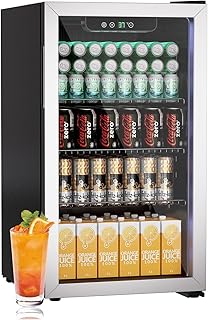
A genuinely useful second fridge: 24 inches wide, garage-ready, and shallow enough to slide into a pantry nook or basement workshop without eating floor space. Don’t expect a full-family primary unit, but for beverage and overflow duty in a rough environment it’s the right tool.
24-Inch Under Counter Beverage Refrigerator Drawers
Drawer-style access is the smart move for an island or bar run because nothing swings into a traffic lane, and the outdoor-rated stainless holds up to patio humidity. Confirm your cabinet opening and ventilation clearance carefully — built-in installs are unforgiving of a half-inch miss.
Frequently Asked Questions
How much interior space do I actually lose going counter-depth?
Roughly 15 to 20 percent compared to a standard-depth model of the same width. In practice you lose the deep back shelf where leftovers go to die, so many people find the usable space feels similar.
Can I install the water line myself?
Yes, if you’re comfortable with a compression fitting and can access a cold supply. Shut the water off, install a quarter-turn stop, run braided line with a service loop, then leak-check for 24 hours before you push the fridge back.
Why is my new ice maker producing hollow or cloudy cubes?
Usually low water pressure or a partially closed valve. Most units want 20 to 120 psi; also discard the first two or three batches while the line flushes.
Do I need a cabinet cutout for a counter-depth fridge?
Not for freestanding models — they just sit flush with your counters. Under-counter drawer units are different and require a properly sized opening with front or rear ventilation per the manual.
Final Thoughts
For most kitchens the Samsung RF25C5551SR is the safest bet, pairing dual ice makers with the flush look you’re after. If you’re working with a narrower opening, the KoolMore 30-Inch three-door solves a problem that most brands ignore, and the Sharp SJB1255GS is the compact garage-ready backup I’d put in a workshop or basement without hesitation.