Key takeaways
- Pile height under 1/4 inch: Chairs need to glide, not climb. Anything taller than a stack of two quarters will snag legs and trap crumbs deep in the fibers where a vacuum cannot reach. Flatweaves and low-tufted constructions are the sweet spot.
- Fiber and stain chemistry: Wool has natural lanolin that beads liquid long enough for you to blot it, which is why it forgives red wine better than people expect. Polypropylene is solution-dyed, so color runs through the fiber and survives repeat scrubbing. Cotton and jute drink spills instantly — beautiful, but plan on a pad and a realistic replacement timeline.
- Washability versus repairability: Machine-washable rugs are the practical pick for households with kids or dogs. Wool is not washable, but it can be professionally cleaned and spot-repaired for decades. Pick your maintenance philosophy before you pick a rug.
- Size math, not eyeballing: Measure your table, add 24 inches on every side minimum, then confirm chairs stay on the rug when pushed back. An 8×10 typically handles a six-seat rectangular table; a 5×8 suits a small four-seater or a round table under 48 inches.
- Backing and grip: Rubber backing works on hardwood and tile but can leave marks on some finishes over years — test a corner first. For unbacked rugs, a felt-and-rubber pad adds cushion, extends fiber life, and stops the sliding that wrecks the edges.
What's inside
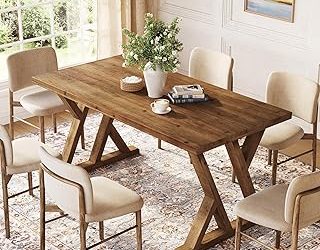
Anyone who has dragged a chair back over a rug knows the moment: the leg catches, the pile bunches, and half your dinner party watches you wrestle furniture. Dining rooms punish rugs in ways living rooms never do. You get concentrated point loads from chair legs, dragged friction eight times a night, and a steady rain of crumbs, wine, and salad dressing landing on the exact spot where everyone can see it. Material choice is what separates a rug that looks broken-in from one that just looks beaten.
I have pulled up and re-laid enough rugs in my own house to have opinions about backing, pile height, and how a fiber behaves when you attack it with a spray bottle. This guide breaks down what actually matters in a dining room rug material, then walks through six options worth your money in 2026 — from Joanna Gaines wool-blend pieces that reward a long-term commitment to fully machine-washable low-pile rugs you can throw in the laundry after a birthday party gone sideways.
As an Amazon Associate we earn from qualifying purchases.


🛒 Best Price Today on Amazon
Prime members get fast, free shipping on everything above, plus member-only deals. New members get a 30-day free trial — cancel anytime.
How to Choose a Dining Room Rug Material (2026)
- Pile height under 1/4 inch: Chairs need to glide, not climb. Anything taller than a stack of two quarters will snag legs and trap crumbs deep in the fibers where a vacuum cannot reach. Flatweaves and low-tufted constructions are the sweet spot.
- Fiber and stain chemistry: Wool has natural lanolin that beads liquid long enough for you to blot it, which is why it forgives red wine better than people expect. Polypropylene is solution-dyed, so color runs through the fiber and survives repeat scrubbing. Cotton and jute drink spills instantly — beautiful, but plan on a pad and a realistic replacement timeline.
- Washability versus repairability: Machine-washable rugs are the practical pick for households with kids or dogs. Wool is not washable, but it can be professionally cleaned and spot-repaired for decades. Pick your maintenance philosophy before you pick a rug.
- Size math, not eyeballing: Measure your table, add 24 inches on every side minimum, then confirm chairs stay on the rug when pushed back. An 8×10 typically handles a six-seat rectangular table; a 5×8 suits a small four-seater or a round table under 48 inches.
- Backing and grip: Rubber backing works on hardwood and tile but can leave marks on some finishes over years — test a corner first. For unbacked rugs, a felt-and-rubber pad adds cushion, extends fiber life, and stops the sliding that wrecks the edges.
The Best Dining Room Rug Materials Reviewed
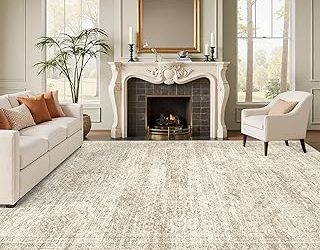
Loloi Magnolia Home Gigi Ivory/Stone 7×9
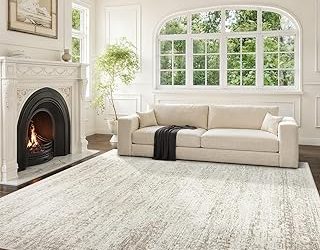
The Gigi’s low, tight construction and washed traditional pattern do something clever: the ivory and stone tones hide crumbs between vacuums while the distressed motif camouflages the inevitable small stain. At roughly 6’7″ x 9’2″ it comfortably frames a six-seat table with room for chairs to slide back.
Loloi Magnolia Home Pace Forrest/Natural 5×8
A vintage-inspired flatweave in muted green that reads as neutral in most rooms, the Pace is my pick for smaller dining spaces or round tables. The low profile means zero chair-leg drama, and the mottled coloring is forgiving in a way solid rugs never are.
Hand-Tufted Basketweave Wool 8×10
Hand-tufted wool in a coral rose checkered plaid — this is the one to buy if you want a rug that lasts twenty years and can be spot-repaired rather than replaced. Wool’s natural resilience means chair legs compress the pile temporarily instead of permanently crushing it, though you will want a quality pad underneath.
Loloi Magnolia Home Junie Blue/Natural 7×10
The Junie leans modern and sophisticated with a muted blue-and-natural palette that anchors a dining room without shouting. At approximately 7×10 it is the right footprint for a rectangular table seating six to eight, with genuine chair clearance on all sides.
8×10 Washable Beige Vintage Rug
Low pile, stain resistant, non-slip, and machine washable at a size that actually fits a real dining table — this is the pragmatic choice for families. The vintage beige pattern hides daily life well, and knowing you can wash the whole thing changes how relaxed you feel about dinner.
Frequently Asked Questions
Is wool or polypropylene better for a dining room?
Wool wins on longevity, feel, and stain recovery; polypropylene wins on price and washability. If the room sees daily family meals, go synthetic and washable. If it hosts occasional dinners, wool is the better long-term investment.
Do I need a rug pad under a dining room rug?
Yes, on hard floors. A thin felt-rubber pad stops sliding, reduces fiber crush from chair legs, and protects your finish. Skip thick memory-foam pads — they make chairs unstable.
Can I really machine wash an 8×10 rug?
Most washable rugs that size need a commercial-capacity machine, not a home unit. Check the care tag for weight limits, and plan on a laundromat trip or spot-washing sections instead.
What size rug fits a six-person table?
An 8×10 is the standard answer for a rectangular six-seater. Measure your table, add 24 inches per side, and verify chairs stay fully on the rug when pushed back.
Final Thoughts
If you want one rug to live with for decades, the Hand-Tufted Basketweave wool is the material choice that rewards patience and a good pad. For a balance of style and practicality, the Loloi Magnolia Home Gigi delivers low-pile durability with a pattern that forgives real life, and the 8×10 washable beige vintage rug is the honest pick for anyone feeding kids at that table tonight.