Key takeaways
- Rub count and hand feel: Dining seats take direct abrasion from clothing every single use. Look for anything described as heavy or thick upholstery-grade — a fabric that feels substantial between your fingers and doesn’t show the weave when stretched is the one that holds up. Apparel-weight linen will look gorgeous for a season and then wear thin right where thighs sit.
- Cleanability versus comfort: Vinyl and PU wipe clean in one pass, which matters enormously if kids or red wine are part of your dining reality. Woven fabrics breathe better and feel warmer against skin in winter, but they absorb. Decide which trade-off you’ll regret less.
- Stretch behavior at corners: Seat pads have four rounded corners where fabric has to compress into pleats. Materials with slight give — soft-backed PU, faux linen with a knit backing — pleat cleanly. Stiff coated vinyl fights you and needs relief cuts.
- Yardage math, then add a yard: A standard 16×16 inch drop-in seat needs roughly a 22×22 inch piece to wrap and staple underneath. Four chairs fit comfortably in two yards of 57-inch goods; six chairs want three-plus yards. Buy extra from the same lot so a future repair matches.
- Pattern scale and direction: Solids are forgiving and let you rotate pieces for efficient cutting. Textures with a visible grain direction need consistent orientation across all seats, which burns yardage. For your first project, solid wins.
What's inside
Pull the seat off a dining chair and you’ll usually find the same story: a foam pad gone biscuit-crumbly at the edges, staples rusting into the plywood, and a fabric that gave up somewhere around the third holiday dinner. The frustrating part isn’t the labor — a staple gun and forty minutes per seat handles that. It’s standing in front of a wall of fabric options with no idea which one survives a chair being dragged, sat on, and wiped down with a damp rag twice a week. Pick wrong and you’re doing the whole job again next spring.
This guide sorts the fabric side of the equation. I’ve stapled a lot of yardage onto seat frames over the years, and the difference between a reupholstery job that lasts a decade and one that pills in six months comes down to weave density, backing, and whether the material can turn a corner without bunching. Below are six materials worth your staples, plus the specs I check before buying and how much yardage a typical set of four actually eats.
As an Amazon Associate we earn from qualifying purchases.



🛒 Best Price Today on Amazon
Prime members get fast, free shipping on everything above, plus member-only deals. New members get a 30-day free trial — cancel anytime.
How to Choose a Material To Reupholster Dining Room Chairs (2026)
- Rub count and hand feel: Dining seats take direct abrasion from clothing every single use. Look for anything described as heavy or thick upholstery-grade — a fabric that feels substantial between your fingers and doesn’t show the weave when stretched is the one that holds up. Apparel-weight linen will look gorgeous for a season and then wear thin right where thighs sit.
- Cleanability versus comfort: Vinyl and PU wipe clean in one pass, which matters enormously if kids or red wine are part of your dining reality. Woven fabrics breathe better and feel warmer against skin in winter, but they absorb. Decide which trade-off you’ll regret less.
- Stretch behavior at corners: Seat pads have four rounded corners where fabric has to compress into pleats. Materials with slight give — soft-backed PU, faux linen with a knit backing — pleat cleanly. Stiff coated vinyl fights you and needs relief cuts.
- Yardage math, then add a yard: A standard 16×16 inch drop-in seat needs roughly a 22×22 inch piece to wrap and staple underneath. Four chairs fit comfortably in two yards of 57-inch goods; six chairs want three-plus yards. Buy extra from the same lot so a future repair matches.
- Pattern scale and direction: Solids are forgiving and let you rotate pieces for efficient cutting. Textures with a visible grain direction need consistent orientation across all seats, which burns yardage. For your first project, solid wins.
The Best Material To Reupholster Dining Room Chairs (2026)s Reviewed
TinaKim Thick Chair Upholstery Fabric (Faux Linen, 2 Yard)
This is the sweet spot for anyone who wants the look of natural linen without its fragility — the faux weave is dense enough that a staple crown seats fully without pulling threads, and it wraps corners with just enough give. Two yards at 57 inches wide covers four standard drop-in seats with scraps left for a matching bench.
Wento Thick Faux Leather Fabric (2 Yards, Beige)
The skin-grain texture reads as real leather from across a room, and the soft backing is what makes it genuinely DIY-friendly — it pleats at corners instead of creasing white like cheap vinyl does. Warm it briefly with a hair dryer before the final pull and it conforms to foam beautifully.
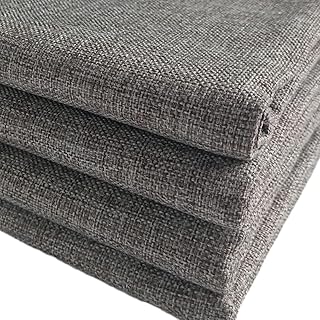
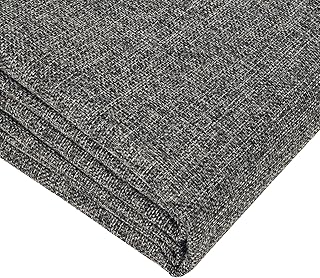
Heavy Linen Fabric 80×57, 1.2mm Thick (Dark Grey)
At 1.2mm, this is genuine upholstery weight rather than tablecloth linen, and the dark grey hides the everyday marks that plague lighter naturals. Real linen does soften and relax with use, so pull it tighter than feels necessary and expect a slight settle in the first month.
Faux Linen Needlework Fabric (3.3 Yards, Grey Blue)
The 3.3-yard cut is the practical choice for a six-chair set, where two-yard listings leave you short by one seat. Grey blue is a quietly versatile mid-tone that works against both warm oak and painted white frames, and the fabric takes a crisp fold at the underside staple line.
Soft Waterproof Marine Vinyl Faux Leather (54×72, Grey)
Built for boat cushions, which tells you everything about how it handles spills, humidity, and UV through a dining room window. Genuinely waterproof rather than water-resistant, so it’s the pick for households where seats get wiped down daily — just note it’s less breathable on a long summer dinner.
Frequently Asked Questions
How much fabric do four dining chairs need?
Two yards of 54 to 57-inch material covers four standard drop-in seat pads with margin. Measure your pad, add four inches on every side for wrap and staple allowance, and lay the pieces out on paper before you cut.
Should I replace the foam too?
If the existing foam crumbles when you press it or has flattened unevenly, yes — new fabric over dead foam still feels dead. High-density foam plus a layer of batting smooths the profile and keeps the fabric from telegraphing every edge.
Is vinyl or woven fabric better for dining chairs?
Vinyl and PU win on cleanup and moisture resistance; wovens win on comfort and breathability. Households with young kids generally lean vinyl, while formal dining rooms get more visual warmth from a heavy faux linen.
What tools do I actually need?
A manual or electric staple gun with 1/4 to 3/8 inch staples, a flathead screwdriver and pliers for removing old staples, sharp fabric shears, and a screwdriver for the seat mounting screws. That’s the whole kit.
Final Thoughts
For most dining rooms, the TinaKim Thick Faux Linen hits the best balance of upholstery-grade durability, easy handling for a first-timer, and a natural look that suits nearly any table. If your chairs live near actual food chaos, the Wento Thick Faux Leather gives you leather aesthetics with wipe-clean practicality, and the Soft Waterproof Marine Vinyl is the no-compromise choice when spills are a weekly certainty. Buy an extra half yard of whichever you choose — future you will be glad it’s from the same dye lot.