Key takeaways
- Frame material and leg thickness: Solid oak, ash, and rubberwood all hold a 400 lb rating, but oak resists dent and joint creep best. Look for legs at least 1.5 inches thick at the top block, where all the stress concentrates.
- Joinery you can inspect: Bolted-in legs with threaded metal inserts beat glued dowels every time, because you can retighten them with an Allen key instead of clamping and waiting overnight. Steel corner brackets under the seat are a strong signal the maker took load seriously.
- Seat attachment method: Upholstered seats that screw to the frame from underneath can be pulled off, re-foamed, and recovered in an afternoon. Fully wrapped, stapled-over frames are a much bigger project.
- Fabric and vinyl durability: Check for tight-weave polyester or commercial-grade PU rated for rub cycles. Slick vinyl wipes clean fastest with kids; patterned fabric hides wear longer at a busy table.
- Set size versus your table length: Measure your table’s usable perimeter before committing to six chairs. Armless designs let you push seats fully under the apron, which matters in tight dining rooms and eat-in kitchens.
What's inside
Anyone who has ever flipped a dining chair upside down to fix a wobble knows the truth: most of them are held together with four skinny dowels, a squirt of glue, and optimism. The joints loosen, the seat starts to rock, and within two years you’re re-clamping the same corner block every holiday. Weight capacity ratings tell you something real about how a chair is built — a genuine 400 lb spec usually means thicker leg stock, mortise-and-tenon or bolted joinery, and steel corner bracing rather than staples. That’s the difference between furniture you maintain occasionally and furniture you replace.
This guide looks at heavy duty dining chairs rated to 400 lbs from a builder’s perspective: what the frame is actually made of, how the seat attaches, whether the hardware is serviceable, and which sets are worth your assembly time. I’ve noted where a chair uses solid hardwood versus rubberwood, where upholstery is stapled versus screwed, and which sets ship with hardware you can actually re-torque down the road.
As an Amazon Associate we earn from qualifying purchases.



🛒 Best Price Today on Amazon
Prime members get fast, free shipping on everything above, plus member-only deals. New members get a 30-day free trial — cancel anytime.
How to Choose a Heavy Duty Dining Room Chairs 400 Lbs (2026)
- Frame material and leg thickness: Solid oak, ash, and rubberwood all hold a 400 lb rating, but oak resists dent and joint creep best. Look for legs at least 1.5 inches thick at the top block, where all the stress concentrates.
- Joinery you can inspect: Bolted-in legs with threaded metal inserts beat glued dowels every time, because you can retighten them with an Allen key instead of clamping and waiting overnight. Steel corner brackets under the seat are a strong signal the maker took load seriously.
- Seat attachment method: Upholstered seats that screw to the frame from underneath can be pulled off, re-foamed, and recovered in an afternoon. Fully wrapped, stapled-over frames are a much bigger project.
- Fabric and vinyl durability: Check for tight-weave polyester or commercial-grade PU rated for rub cycles. Slick vinyl wipes clean fastest with kids; patterned fabric hides wear longer at a busy table.
- Set size versus your table length: Measure your table’s usable perimeter before committing to six chairs. Armless designs let you push seats fully under the apron, which matters in tight dining rooms and eat-in kitchens.
The Best Heavy Duty Dining Room Chairs 400 Lbs (2026)s Reviewed
Mid Century Modern Walnut Dining Chairs, Set of 4 (FAS-Grade Oak)
FAS is the top lumber grade for clear, defect-free hardwood, and it shows in the leg stock and the continuous curved back on these. The smoked brown upholstered seats bolt on from below, so re-foaming later is straightforward, and the armless profile tucks fully under a standard 30-inch apron.
POWERSTONE Wood Dining Chairs, Set of 4
Solid rubberwood frames with a high back and generous seat width — rubberwood is dense, takes a screw insert well, and comes in noticeably cheaper than oak. Assembly is quick, and the hardware pockets are deep enough that you can re-torque the leg bolts annually without stripping anything.
Solid Oak Dining Chairs, Set of 6 (Natural Finish)
The best value per seat here if you need a full six-chair set, and natural oak means you can sand and re-oil scuffs instead of touching up a stain match. The curved back is one piece rather than laminated slats, which removes the most common long-term failure point.
Black Patterned Dining Chairs, Set of 4
Nailhead trim and a high fabric back give this a farmhouse look, but the practical win is the pattern — it disguises everyday wear far better than a solid light fabric. Solid wood legs and a straightforward bolt-together frame keep the 400 lb rating credible.
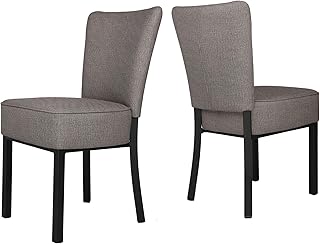
PU Leather Side Chairs, Set of 2 (Vinyl Gray)
Metal frame construction means welded joints instead of wood joinery, so there’s essentially nothing to retighten. The wipeable PU surface makes these the sensible pick for households with young kids or as two extra seats that match a mixed setup.
Frequently Asked Questions
Is a 400 lb rating per chair or for the set?
Per chair, in every case here. Manufacturers test individual units under static load, so a set of four rated at 400 lbs means each seat carries that independently.
How do I stop new chairs from loosening over time?
Re-torque every bolt about a month after assembly, once the wood has settled, then check annually. Snug is enough — overtightening crushes the fibers around the insert and creates the wobble you were trying to prevent.
Do I need felt pads on hardwood floors?
Yes, and use the screw-in nylon glide type rather than adhesive felt. Heavier chairs pop stick-on pads off within weeks.
Is rubberwood as strong as oak?
For seating loads, effectively yes — rubberwood’s density sits close to ash. Oak holds an edge on dent resistance and refinishing, so it’s the better long-term choice if you plan to keep the chairs for a decade.
Final Thoughts
If you want the most durable build available, the FAS-Grade Oak walnut-finish set of 4 is the one I’d assemble for my own table — clear hardwood, serviceable hardware, and a back that won’t delaminate. The Solid Oak Set of 6 is the smarter buy for larger households needing more seats per dollar, and the POWERSTONE rubberwood set of 4 hits a genuinely good middle ground on strength and price.