Key takeaways
- Seat angle and height range: Aim for a seat tilt near 20 to 30 degrees and a height range that puts your elbows level with your desk surface. Independent adjustment of the seat pad and shin pad is the single most useful feature, since it lets you dial out shin pressure without losing pelvic tilt.
- Frame construction: Look at how the members join. Welded steel or thick laminated hardwood with steel bracing holds alignment; thin tube stock joined only by bolts will develop play within months. Grab the frame and twist it during setup, then re-torque every fastener after the first week of use.
- Cushion density and shin platform size: Moulded or high-density foam resists bottoming out far better than loose fill. A wide shin platform spreads load across the tibia instead of concentrating it under the kneecap, which is the main reason people abandon these chairs early.
- Rocking versus fixed base: A curved rocker base encourages micro-movement and quietly recruits the core, while a fixed or castered base gives you a stable platform for detail work. Rocking suits reading, calls, and drafting; fixed suits soldering, sewing, or anything requiring steady hands.
- Casters, brakes, and weight rating: If the chair rolls, insist on locking or braked casters, otherwise the forward seat angle will push the chair backward every time you stand. Confirm the stated capacity, commonly 250 to 330 pounds, and treat it as a design ceiling rather than a target.
What's inside
Anyone who has spent a weekend hunched over a workbench knows the feeling: you stand up and your lumbar spine files a complaint. The usual fix is a taller task chair, but that rarely solves the root problem. Conventional seating parks your hips at a right angle, which quietly rolls the pelvis backward and flattens the lower back into a slump. Kneeling chairs attack the geometry instead of the symptom by tipping the seat forward roughly 20 to 30 degrees, letting the pelvis sit neutral and stacking the ribcage over it without conscious effort. The trade-off is that shin pressure, frame rigidity, and seat height suddenly matter far more than they do on a padded office chair, and cheap builds expose that fast.
This guide is written from the perspective of someone who assembles their own furniture, checks the hardware before trusting it, and cares whether a cushion is bonded foam or moulded foam. Below you will find a shortlist of kneeling chairs worth putting under a desk in 2026, plus one full-back option for people who want a hybrid setup. After the picks, there is a buying checklist covering angle adjustment, shin platform depth, base stability, and the mobility hardware that decides whether your chair glides or skates away mid-task.
As an Amazon Associate we earn from qualifying purchases.


🛒 Best Price Today on Amazon
Prime members get fast, free shipping on everything above, plus member-only deals. New members get a 30-day free trial — cancel anytime.
How to Choose an Ergonomic Kneeling Office Chair (2026)
- Seat angle and height range: Aim for a seat tilt near 20 to 30 degrees and a height range that puts your elbows level with your desk surface. Independent adjustment of the seat pad and shin pad is the single most useful feature, since it lets you dial out shin pressure without losing pelvic tilt.
- Frame construction: Look at how the members join. Welded steel or thick laminated hardwood with steel bracing holds alignment; thin tube stock joined only by bolts will develop play within months. Grab the frame and twist it during setup, then re-torque every fastener after the first week of use.
- Cushion density and shin platform size: Moulded or high-density foam resists bottoming out far better than loose fill. A wide shin platform spreads load across the tibia instead of concentrating it under the kneecap, which is the main reason people abandon these chairs early.
- Rocking versus fixed base: A curved rocker base encourages micro-movement and quietly recruits the core, while a fixed or castered base gives you a stable platform for detail work. Rocking suits reading, calls, and drafting; fixed suits soldering, sewing, or anything requiring steady hands.
- Casters, brakes, and weight rating: If the chair rolls, insist on locking or braked casters, otherwise the forward seat angle will push the chair backward every time you stand. Confirm the stated capacity, commonly 250 to 330 pounds, and treat it as a design ceiling rather than a target.
The Best Ergonomic Kneeling Office Chairs (2026) Reviewed
Ergonomic Kneeling Chair with Adjustable Seats
This one earns its place through adjustability: both the seat and knee pads move, so you can tune the shin angle to your leg length instead of accepting whatever the factory chose. Rated to 250 pounds with a five-year warranty behind the frame, it is the most forgiving pick for anyone still learning how their body responds to kneel sitting.
Varier Ergonomic Kneeling Chair
The backless rocking design is the purist option, keeping you in continuous low-level motion that builds postural endurance rather than propping you up. Expect a genuine adjustment period of a week or two, and plan on alternating with a standard chair while your core catches up.
Ergonomic Kneeling Chair with Brake Casters
Thick moulded foam and braked casters make this the most workshop-friendly choice on the list, since you can roll along a bench and then lock down for precise work. The angled seat is well judged, though taller users should verify the height range against their desk before committing.
Kneeling Chair with Backrest and Rolling Wheels
Adding a backrest to a kneeling frame is a sensible compromise for longer sessions, giving you something to lean into during calls without abandoning the forward pelvic tilt. The linen upholstery and braked wheels are practical touches, and the thick cushion holds up better than the price suggests.
marrap Ergonomic Office Chair
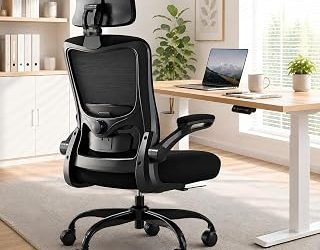
Not a kneeling chair, but the natural companion to one: adjustable lumbar support, a breathable mesh back, 3D armrests, and a 90 to 120 degree recline for the hours when you need to lean back and think. Rotating between this and a kneeling stool beats committing entirely to either.
Frequently Asked Questions
Do kneeling chairs actually hurt your knees?
Properly set up, your weight rests on the shins rather than the kneecaps. Knee pain almost always signals a seat angle that is too steep or a shin pad positioned too far forward, both of which are adjustment problems rather than design flaws.
How long should I sit in one per day?
Start with 20 to 30 minute stretches and build gradually over a few weeks. These chairs are best used in rotation with a conventional chair or standing desk, not as an all-day replacement.
Will one fit under a standard desk?
Most will, but measure your desk clearance and compare it to the chair’s maximum height. Kneeling chairs sit you slightly higher and further forward than a task chair, so a desk under 28 inches can feel cramped.
Are they suitable for existing back problems?
Many people with mild postural back pain find real relief, but disc injuries, knee conditions, and pregnancy all warrant a conversation with a physiotherapist first.
Final Thoughts
For most desks, the Ergonomic Kneeling Chair with Adjustable Seats is the smartest starting point, since dual adjustment lets you correct fit issues instead of living with them. Choose the Varier rocking stool if you want genuine active sitting and are willing to train into it, and pair either with the marrap office chair so you always have a supported fallback for long working days.