
The flooring question in a home gym is really two questions wearing one coat: what is under your feet, and who is under your ceiling. A 3/4-inch rubber mat dropped onto a concrete slab in a detached garage behaves nothing like the same mat laid over 2×10 joists above a bedroom. On the slab, the rubber is doing impact absorption and floor protection. Over joists, the rubber is only the top layer of a system, and the joists will happily broadcast a 45-pound plate landing at 11 p.m. through the drywall as a low-frequency thud that no amount of surface rubber fully erases.
So the picks below are sorted by the two variables that actually change the answer: subfloor construction and noise tolerance. A basement slab with nothing below it can take stall mats and be done in an afternoon for a couple hundred dollars. A second-floor spare bedroom with a sleeping toddler underneath needs a decoupled buildup — mass, then a resilient layer, then wear surface — and a hard ceiling on how heavy your deadlifts get. Both setups are workable. They are just not the same purchase, and buying the wrong one usually means buying twice.
Our top picks


As an Amazon Associate we earn from qualifying purchases at no extra cost to you.
As an Amazon Associate we earn from qualifying purchases.

Quick Comparison
| Pick | Best Subfloor | Typical Thickness | Noise Control | Realistic Load Ceiling |
|---|---|---|---|---|
| 3/4″ Rubber Stall Mats | Concrete slab, garage | 3/4 in | Low to moderate | Heavy barbell work, controlled drops |
| 8mm Rolled Rubber Flooring | Slab or well-supported plywood | 8 mm | Moderate for footfall | Machines, dumbbells, light barbell |
| 1/2″ Interlocking Rubber Tiles | Any flat subfloor, odd room shapes | 1/2 in | Moderate | Dumbbells, kettlebells, cardio |
| High-Density EVA Foam Tiles | Wood floor over living space | 1/2–3/4 in | Good for footfall, poor for drops | Bodyweight, yoga, light dumbbells |
| Rubber-Cork Acoustic Underlayment | Joisted floors, upper levels | 6–12 mm | High (structure-borne) | Underlayment only — pair with a top layer |
| Layered Platform Buildup | Anywhere you drop weight | 2–3 in total | High at the drop zone | Deadlifts, Olympic lifts |
How to Choose
- Identify the subfloor before you measure the room. Slab-on-grade tolerates almost anything. Plywood over joists deflects, and deflection turns into noise and squeak. Tap the floor and listen — hollow means you need a system, not a mat.
- Separate impact noise from airborne noise. Music and grunting travel through air and are solved with mass and sealing gaps. Dropped weights travel through structure and are only solved by decoupling and dissipating energy before it reaches the joists.
- Match thickness to your heaviest single drop, not your average set. One 315-pound miss on 1/2-inch tile can crack a slab edge or split subfloor sheathing. Size for the worst case in a defined drop zone rather than paying for thickness across the whole room.
- Budget for the smell and the off-gassing window. Recycled rubber is loud in the nose for two to six weeks. In a finished basement with shared HVAC returns, that matters. Vulcanized rubber and cork composites are far tamer.
- Confirm you can get it into the room. A 4×6 stall mat weighs roughly 100 pounds and will not corner up a switchback staircase. Interlocking tiles and 4-foot rolls exist largely to solve that problem.
Top Picks Reviewed
3/4″ Rubber Stall Mats — Best Value on a Slab
Nothing competes on dollars per square foot of protection. These are agricultural mats sold for horse stalls, which means they are overbuilt for a garage gym and priced accordingly. On concrete they are the default answer: lay them, weight them down for a week to flatten the curl, and load a rack on top. Downsides are honest ones. They are heavy, they carry a strong recycled-rubber odor initially, and the pebble-embossed surface can grab a barbell during rollouts. Skip them entirely on upper floors — you get the weight penalty on your joists without meaningful acoustic isolation.
8mm Rolled Rubber Flooring — Best Seamless Finish
Rolls give you a continuous surface with no seams for sweat and dust to collect in, which makes a home gym read as finished rather than improvised. An 8mm roll handles treadmills, functional trainers, and dumbbells up to about 100 pounds without complaint. Cutting is the real work: score repeatedly with a fresh hook blade against a straightedge, and expect to burn through blades. Roll goods also demand a genuinely flat subfloor, since they telegraph every high spot.
1/2″ Interlocking Rubber Tiles — Best for Awkward Rooms
Puzzle-edge rubber tiles win when the room has a chimney chase, a floor drain, or a doorway that swings inward. You cut individual tiles instead of wrestling a 100-pound sheet, and you can pull one tile to inspect a slab crack later. The interlock is also the weakness — repeated lateral force from sled pushes or heavy rack shifting will eventually work the seams apart. Perimeter-glue the border tiles and leave the field floating.
High-Density EVA Foam Tiles — Best for Quiet Bodyweight Training
Foam is widely dismissed by lifters and widely correct for everyone else. For yoga, mobility work, kettlebell flows, and a bike trainer in a bedroom over a living room, dense EVA absorbs footfall noise beautifully and costs almost nothing. It will dent under a rack upright and it will not survive dropped iron, so treat it as a comfort surface with a hard ceiling on load. Buy the highest density available rather than the thickest.
Rubber-Cork Acoustic Underlayment — Best Noise Reduction Layer
This is the component most home gym builds skip and later wish they hadn’t. A 10mm rubber-cork composite under your wear surface decouples the gym from the structure, cutting the low-frequency thud that travels through joists into the room below. It is not a finished floor and should never be walked on directly. Used correctly — underlayment, then plywood, then rubber — it is the difference between a usable upstairs gym and a household argument.
Layered Platform Buildup — Best for Serious Deadlifts
For anyone dropping loaded barbells, a dedicated platform outperforms wall-to-wall thickness. The standard buildup is two layers of 3/4-inch plywood with stall mats or a horse mat sandwiched beneath, sized to roughly 8 by 6 feet. The plywood spreads impact across joists instead of concentrating it, and the rubber below dissipates energy. Build it as an island in the drop zone and use cheaper flooring everywhere else.
Frequently Asked Questions
How thick does home gym flooring need to be for deadlifts?
On a concrete slab, 3/4 inch of rubber handles controlled deadlifts fine. Over a joisted floor, thickness alone is the wrong lever — build a layered platform that distributes load across multiple joists, and drop with control rather than releasing at the top.
Will rubber flooring actually stop my neighbors from hearing me?
It reduces the sharp crack but not the low thud. Structure-borne bass passes through rubber readily. Meaningful reduction requires decoupling with a resilient underlayment plus mass, and even then, dropping heavy weight in an apartment stays audible.
Do I need to glue rubber flooring down?
Usually not. Most gym rubber is heavy enough to stay put floating, and floating installs are removable and forgiving of slab moisture. Glue only the perimeter of tile installs, or the full field if you are pushing a sled.
How long does the rubber smell last?
Expect two to six weeks with good airflow. Wiping the surface with a mild degreaser and running a fan or dehumidifier speeds it up considerably. If odor is a dealbreaker, choose vulcanized rubber or cork composite instead of recycled crumb.
Final Thoughts
Diagnose before you shop. Slab underfoot with no living space adjacent means stall mats or rolled rubber and a finished gym for the price of a single barbell. Wood joists over occupied rooms mean an underlayment-plus-plywood system, a dedicated platform in the drop zone, and a conscious decision to lower weights rather than release them. The mistake worth avoiding is spending on thickness when the problem was never thickness — it was the structure carrying the sound.
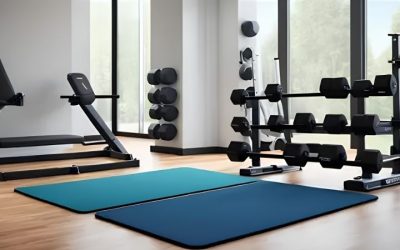
Best Gym Mat for Home: Rubber vs Foam Picks for Any Floor
Best gym mat for home choices come down to material density and...
Best Rowers for Home Gym: Air, Magnetic and Water Compared
Best rowers for home gym shortlists usually collapse once someone measures the...
Best Weight Home Gym: 6 All-in-One Machines for Small Rooms
Best weight home gym decisions come down to two numbers before brand...
Best Home Gym Equipment for Beginners: The Starter Setup
Best home gym equipment for beginners is not a machine – it...

Best Treadmills for Home Gym: 5 Picks by Deck and Motor
Best treadmills for home gym decisions come down to two specifications and...
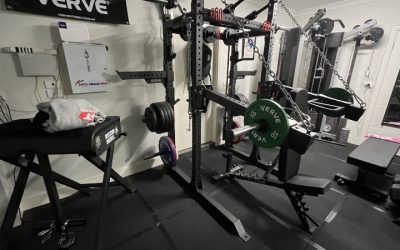
Best Home Gym Compact Setups: 6 Space-Saving Picks Ranked
Best home gym compact claims usually quote a stored footprint and stay...
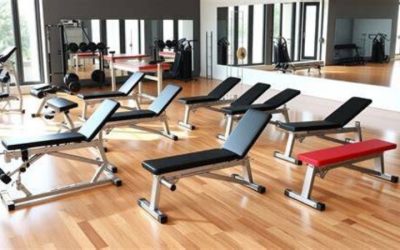
Best Adjustable Bench for Home Gym: 5 Picks Ranked by Use
Best adjustable bench for home gym decisions turn on three numbers most...
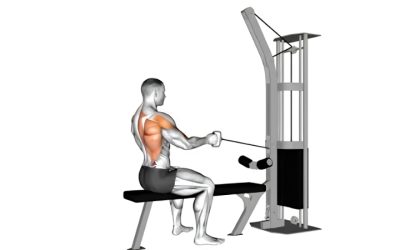
Best Cable Machine for Home Gym: 5 Picks and Pulley Ratios
Best cable machine for home gym shortlists collapse quickly once you convert...
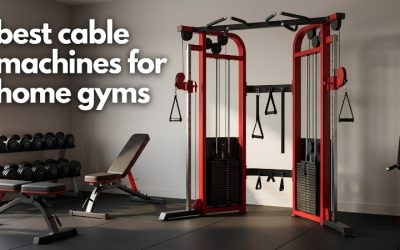
Best Cable Machines for Home Gym: 5 Types and Their Limits
Best cable machines for home gym use are not one product category...
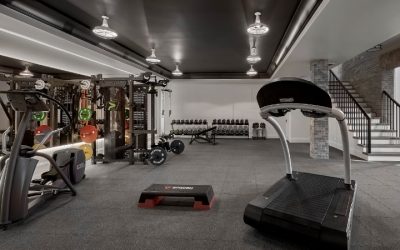
Best Home Gym Setup: Floors, Ceilings, Noise and Layout
Best home gym setup guides talk about equipment and skip the room,...
Write Your Review
No reviews yet. Be the first to share your experience!