
Key takeaways
- Item Diameter: 17 Inches
- Item Firmness Description: Firm
- Product Benefits: Muscle Therapy
The first time a foam roller actually works on you, it does not feel like massage. It feels like someone found a bruise you did not know you had. That sensation is usually the lateral quad or the upper glute, and it fades after about four sessions as the tissue stops guarding. Understanding that arc matters, because most people buy a roller, hate it for a week, and then let it hold up a corner of the closet. The tool is not the problem — the mismatch between how firm the roller is and how sensitive your tissue currently is, is the problem.
Foam rollers separate along four axes: core construction (hollow ABS tube versus solid molded foam), surface density, length, and texture. A 36-inch soft roller is a stability and thoracic-extension tool. A 13-inch high-density cylinder is a travel-friendly pressure device for calves and IT bands. A knobbed roller is neither — it is a targeted trigger-point instrument that concentrates force onto small contact points. The picks below cover each of those jobs rather than pretending one cylinder does everything, and I have flagged where a cheaper option genuinely matches a premium one.
Our top picks

 Vulken Extra Long 17” Vibrating Foam Roller
- Item Diameter: 17 Inches
- Item Firmness Description: Firm
- Product Benefits: Muscle Therapy
17-inch length rolls both legs at the same time
Four vibration speeds plus a pulsating auto mode
Comes with a carrying bag for portability
Firm density may feel intense for sensitive muscles
Needs regular charging to keep vibration running
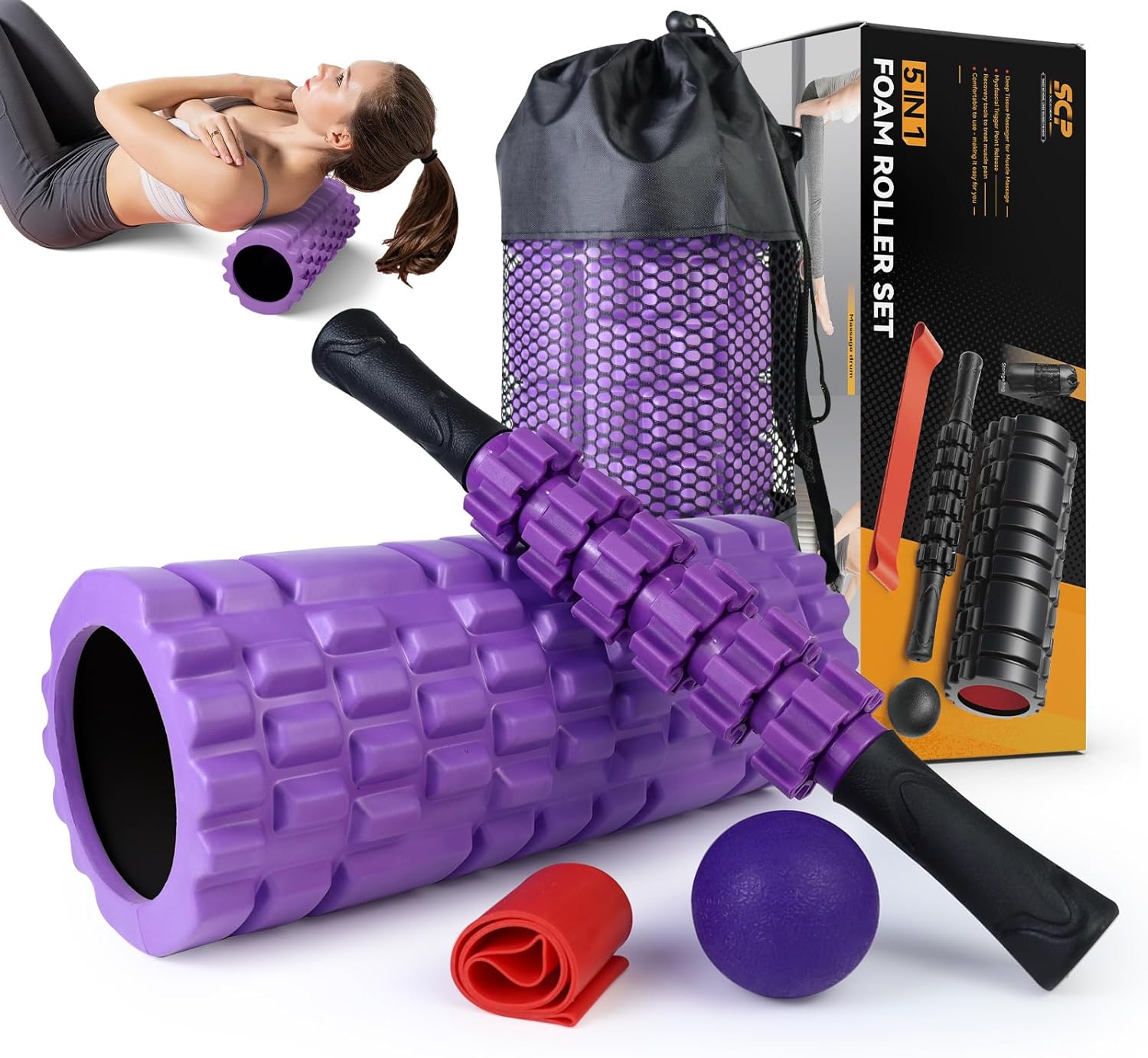
 Amazon Basics High-Density Foam Roller for Exercise
- Item Dimensions: 18 x 6 x 6 inches
- Item Diameter: 6 Inches
- Item Firmness Description: Firm
Firm polypropylene core holds its shape over time
Lightweight build makes it easy to carry to class
Wipes clean with no special maintenance
No vibration or adjustable firmness options
Fixed 18-inch length may be long for tight spaces


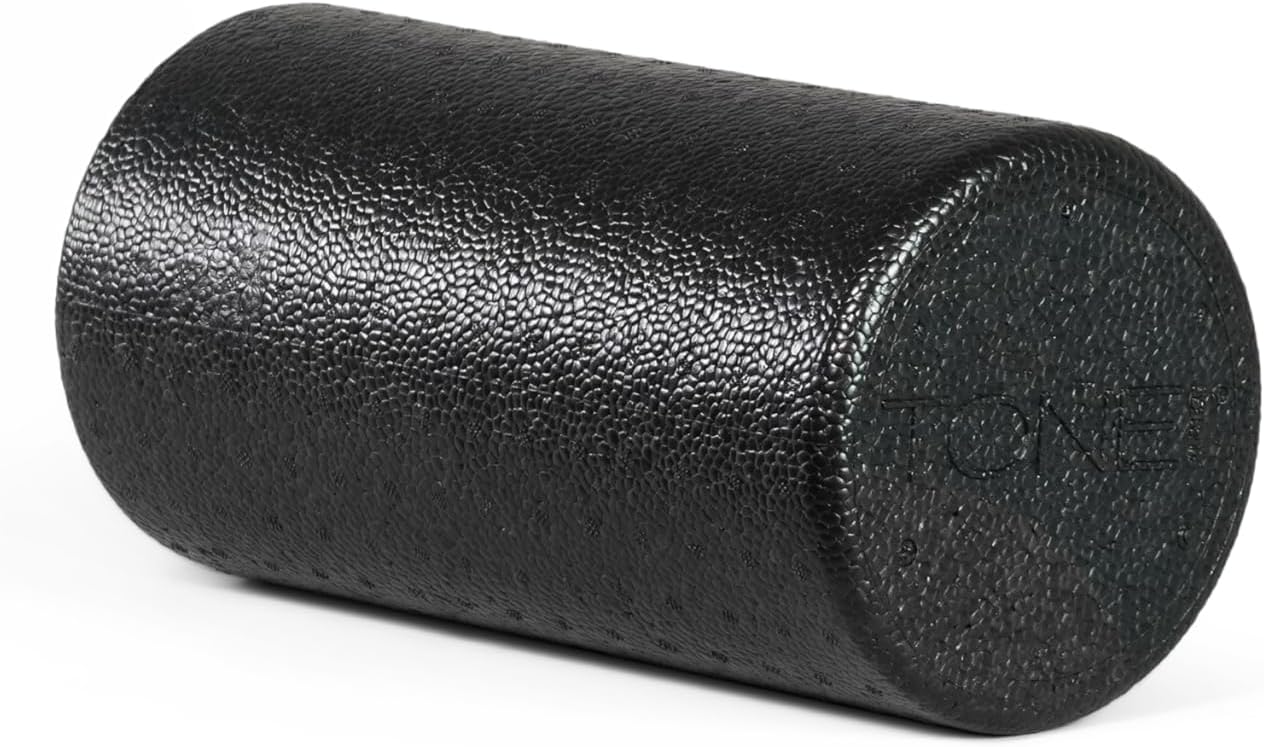 Tone Fitness High Density EPP Foam Exercise
- Item Dimensions: 5.71 x 5.71 x 11.61 inches
- Item Diameter: 5.7 Inches
- Item Firmness Description: Firm
Firm EPP foam resists flattening with repeated use
Compact 11.6-inch size travels easily in a bag
Targets back, legs, IT band and shoulders
Firm density built for advanced users may feel harsh for beginners
Small size covers less surface per pass than full-length rollers
As an Amazon Associate we earn from qualifying purchases at no extra cost to you.
As an Amazon Associate we earn from qualifying purchases.

Quick Comparison
| Model | Length | Firmness | Surface | Best For |
|---|---|---|---|---|
| TriggerPoint GRID 1.0 | 13 in | Medium-firm | Multi-zone grid | All-purpose daily use |
| Amazon Basics High-Density Round | 12 / 18 / 36 in | Firm | Smooth | Budget and long-roller work |
| RumbleRoller Deep Tissue | 13 / 22 / 31 in | Very firm | Flexible knobs | Stubborn trigger points |
| Hyperice Vyper 3 | 12 in | Firm | Ridged + vibration | Pre-workout warm-ups |
| OPTP PRO-ROLLER Soft | 36 in | Soft | Smooth | Beginners, spine mobility |
How to Choose
- Match density to tolerance, not ego. If you flinch and hold your breath, the roller is too aggressive and your nervous system will fight the release. Start softer, earn firmer.
- Pick length by target area. Anything 30 inches or longer lets you lie lengthwise along the spine and support both shoulder blades. Short rollers under 15 inches are for limbs and luggage.
- Check the core. Hollow-core rollers with a rigid inner tube hold shape under 250-plus pounds; cheap solid EVA compresses into an oval after a few months of heavy use.
- Decide whether texture earns its price. Ridges and knobs increase peak pressure on small areas. Great for a knotted piriformis, unnecessary for general post-run flushing.
- Consider vibration honestly. Vibrating rollers reduce discomfort and shorten warm-ups, but they need charging, weigh two to three pounds, and cost four to ten times a plain cylinder.
Top Picks Reviewed
TriggerPoint GRID 1.0 — Best Overall
The GRID is the roller I hand to people who ask for one recommendation. Its EVA foam sits over a hollow polypropylene core, so it delivers real pressure without the plank-hard bite of a solid high-density cylinder. The surface is divided into flat strips, tubular ridges, and small squares, which lets you change intensity by rotating your limb instead of buying a second roller. At 13 inches by 5.5 inches it fits a gym bag, holds up to roughly 500 pounds, and after years of use mine still measures round. The only real limitation is length — you cannot lie along your spine on it.
Amazon Basics High-Density Round — Best Budget Pick
Molded polypropylene, no texture, no branding, no core. It is the same object physical therapy clinics have used for decades, and for smooth-surface rolling it performs identically to rollers costing five times more. The 36-inch version is the standout value: long enough for thoracic extension over the mid-back, wide enough to support both arms during pec stretches, and useful as a balance prop for single-leg work. Expect it to be genuinely firm with no give at all, and expect some cosmetic denting over a year or two. At this price, replacing it is trivial.
RumbleRoller Deep Tissue — Best for Deep Trigger Points
The bumps are the whole argument. They are firmer than muscle but flexible enough to bend and drag across tissue, which mimics a thumb pressing into a knot rather than a rolling pin flattening it. On a chronically tight glute or a hypertonic thoracic paraspinal, nothing else in this list comes close. It is also the roller most likely to be abandoned in week one — the original density is intense, and the extra-firm black version is genuinely punishing. Buy this as a second roller after your tissue has adapted, not as a first.
Hyperice Vyper 3 — Best Vibrating Roller
Three speed settings, a claimed two-hour runtime, and enough amplitude that you feel it in the tissue rather than just hearing it. The practical benefit is timing: vibration seems to raise pain tolerance, so a warm-up that would take eight quiet minutes takes about four here, which matters when you are rolling calves before a lifting session. Downsides are ordinary consumer-electronics ones. It weighs noticeably more than a foam cylinder, needs periodic charging, and the top speed rattles hard enough that some people only ever use levels one and two.
OPTP PRO-ROLLER Soft — Best for Beginners and Spine Work
This is the roller for anyone with sensitive tissue, a recent return to training, or a specific interest in mobility rather than pressure. The soft molded foam compresses under body weight, so lying supine along its 36-inch length lets the spine drape into extension instead of hinging over an unyielding pipe. It is also the best option for stability drills, hamstring floss, and gentle post-injury work. It will not dig out a deep adhesion, and it takes up real closet space, but for a first roller it is far more likely to be used consistently.
Frequently Asked Questions
How long should I spend on each muscle?
Sixty to ninety seconds per area is plenty. Move slowly — about an inch per second — and pause on tender spots while you breathe out. Rolling one leg for ten minutes produces diminishing returns and often leaves the skin irritated well before the tissue changes.
Should I roll before or after training?
Both work, with different goals. Brief rolling beforehand improves range of motion without reducing power output, which makes it a better warm-up choice than long static stretching. Afterward, slower and gentler rolling helps with the stiff, achy feeling that follows hard sessions.
Is it normal for rolling to hurt?
Discomfort you can breathe through is normal. Sharp, electric, or radiating pain is not — that suggests you are on a nerve or bony structure. Avoid the lower back, the side of the knee, and the front of the neck entirely, and never roll directly over an acute injury or bruise.
How firm should my first roller be?
Softer than you think. If your body weight barely compresses the foam and every pass makes you tense up, you will avoid using it. A medium-density roller with a hollow core is the safest default, and you can always progress to a knobbed model later.
Final Thoughts
If you want one purchase to cover most needs, the TriggerPoint GRID 1.0 is the sensible answer — durable, portable, firm enough to matter, forgiving enough to use daily. If you are starting from zero or working around sensitivity, the soft 36-inch OPTP handles spine mobility and builds the habit without the flinch factor. Budget shoppers lose almost nothing with the plain high-density cylinder, and the RumbleRoller and Vyper are upgrades worth adding once you know exactly which problem you are solving. The roller that helps is the one you step over on the way to the shower and actually use.
Best Rock Climbing Shoes for Beginners
The best rock climbing shoes for beginners are comfortable, snug-fitting shoes with...
Best Motorized Endless Rock Climbing Walls
Best Motorized Endless Rock Climbing Walls: Which Type Fits Your Home? The...
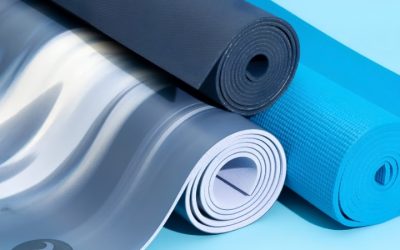
Best Affordable Yoga Mat: 6 Picks Ranked by Cost Per Year
Best affordable yoga mat is a question of arithmetic rather than taste....
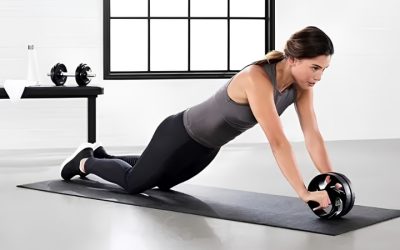
Best Rated Ab Roller: 6 Wheels Compared for Home Workouts
Watch someone use a cheap ab wheel and you will see it...
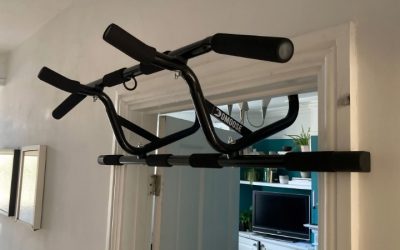
Best In House Pull Up Bar: 6 Picks for Small Home Setups
Small homes hide usable structure in places nobody thinks to look. The...
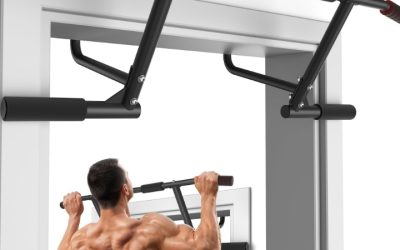
Best At Home Pull Up Bar: 6 Picks for Renters and Owners
There is a middle path between accepting whatever a doorway bar does...
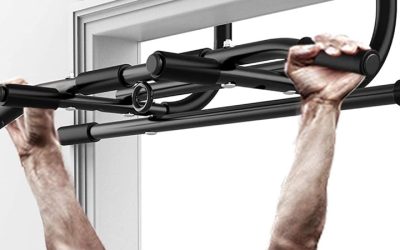
Best Home Pull-Up Bar: 7 Top Picks for Doorways & Walls
Garages and unfinished basements are where most home pull-up bars end up,...
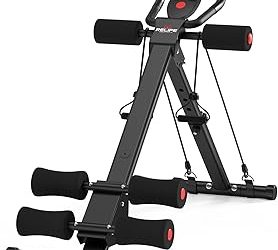
Best Abs Workout at Home Without Equipment: Kit Optional
Best abs workout at home without equipment is a genuine category rather...
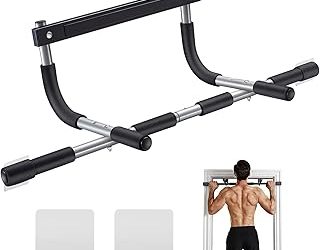
Best Pull Up Bar for Doorway Frames: Measure Before You Buy
Best pull up bar for doorway selection is a fitting problem before...
Best Door Pull Up Bar Picks Rated on Fit and Frame Safety
Most doorway pull-up bar complaints are really complaints about door trim. The...
Write Your Review
No reviews yet. Be the first to share your experience!