Key takeaways
- Measure the walkway, not the room: Leave 4 to 6 inches of bare floor on each side of the runner so it reads as intentional rather than wall-to-wall. A 2×6 covers most galley kitchens and island gaps; measure from cabinet face to cabinet face before you order.
- Check the backing type: Rubber or TPR backing grips tile and sealed hardwood without adhesive residue. Latex-free options are safer on finished wood floors, and anything described only as “non-slip dots” will need a separate rug pad underneath within a season.
- Pile height affects door clearance: Anything over half an inch can catch on dishwasher doors, cabinet toe kicks, and low-swinging pantry doors. Measure your tightest clearance point and subtract before committing to a thicker mat.
- Match absorbency to your work zone: In front of the sink you want microfiber or chenille that pulls water off your feet. In a walkway you want a flatweave that dries fast and doesn’t hold moisture against the subfloor.
- Confirm machine-washable means your machine: A 2×6 runner is bulky. Check that the listing allows cold machine wash rather than spot-clean only, and be honest about whether your washer drum can handle the volume without going off-balance.
What's inside
Stand in front of a sink for twenty minutes washing a stockpile of pans and you learn something about your floor: tile is unforgiving, hardwood gets slick the second water hits it, and bare feet on either one start complaining fast. That narrow strip of floor between the counter and the island takes more abuse than anything else in the house — dropped flour, splashed dishwater, scorch marks from a pan that didn’t quite make it to the trivet. Most people buy a cheap mat, watch it curl at the corners within a month, and then live with it because replacing it feels like admitting defeat.
I’ve swapped out runners in my own kitchen four times over the last few years, mostly because I kept learning what actually matters after the fact. Backing quality beats plushness. Washability beats thread count. Length matters more than anyone tells you. This guide covers what to look for, then walks through six runners that hold up to real cooking — from low-pile washable options that slide under a cabinet door to thick absorbent mats built for long stretches of standing.
As an Amazon Associate we earn from qualifying purchases.



🛒 Best Price Today on Amazon
Prime members get fast, free shipping on everything above, plus member-only deals. New members get a 30-day free trial — cancel anytime.
How to Choose a Kitchen Runner Rug (2026)
- Measure the walkway, not the room: Leave 4 to 6 inches of bare floor on each side of the runner so it reads as intentional rather than wall-to-wall. A 2×6 covers most galley kitchens and island gaps; measure from cabinet face to cabinet face before you order.
- Check the backing type: Rubber or TPR backing grips tile and sealed hardwood without adhesive residue. Latex-free options are safer on finished wood floors, and anything described only as “non-slip dots” will need a separate rug pad underneath within a season.
- Pile height affects door clearance: Anything over half an inch can catch on dishwasher doors, cabinet toe kicks, and low-swinging pantry doors. Measure your tightest clearance point and subtract before committing to a thicker mat.
- Match absorbency to your work zone: In front of the sink you want microfiber or chenille that pulls water off your feet. In a walkway you want a flatweave that dries fast and doesn’t hold moisture against the subfloor.
- Confirm machine-washable means your machine: A 2×6 runner is bulky. Check that the listing allows cold machine wash rather than spot-clean only, and be honest about whether your washer drum can handle the volume without going off-balance.
The Best Kitchen Runner Rug (2026)s Reviewed
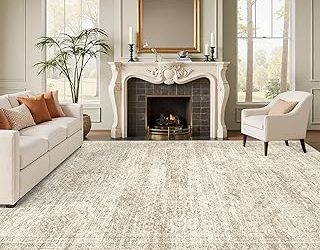
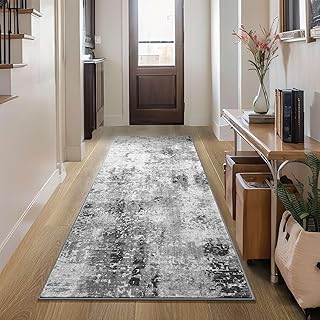
2×6 Washable Vintage Runner with Non-Slip Backing
This is the one I’d hand someone furnishing a kitchen with wood floors and open sightlines into the living room — the distressed pattern hides crumbs and coffee splashes far better than a solid color. The low profile clears dishwasher doors without bunching, and it survives a cold wash and low-tumble dry without the backing turning brittle.
BEQHAUSE Kitchen Runner Rug 24″x60″, Taupe
A genuinely absorbent mat, which is a different thing from a decorative one — stand on it with wet feet and you’ll feel it pull moisture rather than smear it around. The taupe reads warm against both white and wood cabinetry, and the 24-inch width gives you enough coverage to work at the sink without stepping off the edge.
PADOOR Extra Large Kitchen Runner Set, 2PCS Grey
The smart buy if you have two problem zones: a 2.5×6 runner for the main walkway and a 20×32 mat for the sink or stove. Buying them as a matched set avoids the mismatched-grey problem you get piecing together separate orders, and the wider 30-inch runner suits kitchens where the island gap is generous.
BEQHAUSE Kitchen Runner Rug 24″x60″, Blue
Same construction as the taupe version with a deeper, more saturated color that works well in kitchens leaning coastal or farmhouse. Worth noting that darker mats show dried water spots more than light ones, so this suits a spot that gets damp rather than one that gets constantly soaked.
Ompaa 2×6 Runner with Rubber Backing, Grey
The rubber backing here is the standout — it stays planted on polished tile, which is where most runners fail. The soft abstract pattern is quiet enough to run from the kitchen through a hallway without looking like two different rugs met in the middle.
Frequently Asked Questions
How often should I wash a kitchen runner?
Every two to four weeks for a runner in an active cooking zone, more often if you have pets or kids. Shake it out weekly between washes — most of what dulls a rug is dry grit ground into the fibers, not staining.
Will a rubber-backed rug damage hardwood floors?
Quality TPR and natural rubber backings are generally safe on properly sealed hardwood, but trapped moisture is the real risk. Lift the runner occasionally to let the floor breathe, and never leave a soaked mat sitting in place overnight.
Can I put a runner over an existing kitchen mat?
Not recommended. Stacking creates an unstable surface and a genuine trip hazard, especially near a stove. If you want more cushion, replace the mat with a thicker single-layer option instead.
What length works for a galley kitchen?
Six feet handles most galley layouts and island gaps. If your run is longer than eight feet, two shorter runners placed at the sink and stove usually look better and wash more easily than one oversized piece.
Final Thoughts
For most kitchens, the 2×6 Washable Vintage Runner hits the best balance of looks, low profile, and easy laundering. If your priority is standing comfort at the sink, the BEQHAUSE 24″x60″ in taupe absorbs water far better than a decorative flatweave, and the PADOOR 2-piece grey set is the value play when you need to cover both a walkway and a work zone in one order.