Key takeaways
- Finish type: Nearly every sofa sold today is pigmented (finished) leather, which has a topcoat — those need a conditioner that penetrates the coating rather than a heavy oil that beads on the surface. Aniline and nubuck sofas are rarer and need dedicated products.
- Darkening risk: Oil-based conditioners can deepen the color of light leather. Test on the back of a leg or the underside of a cushion, wait a full day, and check in daylight before you commit to a whole sofa.
- Cleaner included or separate: Conditioner applied over body oils and dust just seals the grime in. Either buy a two-step kit or wipe down with a dedicated leather cleaner first.
- Silicone and petroleum distillates: Skip them where you can. They give a fast gloss and a slick hand feel, but repeated use can leave a buildup that blocks later conditioning and looks plasticky under lamp light.
- UV protection: If your sofa sits near a window, a formula with UV inhibitors slows the fading and brittleness that sunlight causes. It won’t stop it, but it buys years.
What's inside
Leather sofas fail in slow motion. The seat cushion you land on every night goes dull, then papery, then one day you notice a hairline crack running along the seam and realize the damage started months ago. Most of it comes down to moisture loss — leather is a skin, and skins dry out under central heating, direct sun, and the friction of daily use. The frustrating part is that by the time a sofa looks thirsty, you’ve already lost some of the fiber structure that keeps it supple.
I’ve conditioned enough couches, car seats, and salvaged thrift-store armchairs to know that the product matters less than the habit — but the product still matters. Some formulas sit on top of a sealed finish and just shine it. Others actually migrate into the hide. A few will darken pale leather permanently, which is a bad afternoon if your sofa is cream. Below I’ve broken down what to look for, then walked through the conditioners I keep in the workshop cabinet, including two-step kits and single-bottle options for people who want one thing that works.
As an Amazon Associate we earn from qualifying purchases.




🛒 Best Price Today on Amazon
Prime members get fast, free shipping on everything above, plus member-only deals. New members get a 30-day free trial — cancel anytime.
How to Choose a/an Leather Conditioner For Sofa (2026)
- Finish type: Nearly every sofa sold today is pigmented (finished) leather, which has a topcoat — those need a conditioner that penetrates the coating rather than a heavy oil that beads on the surface. Aniline and nubuck sofas are rarer and need dedicated products.
- Darkening risk: Oil-based conditioners can deepen the color of light leather. Test on the back of a leg or the underside of a cushion, wait a full day, and check in daylight before you commit to a whole sofa.
- Cleaner included or separate: Conditioner applied over body oils and dust just seals the grime in. Either buy a two-step kit or wipe down with a dedicated leather cleaner first.
- Silicone and petroleum distillates: Skip them where you can. They give a fast gloss and a slick hand feel, but repeated use can leave a buildup that blocks later conditioning and looks plasticky under lamp light.
- UV protection: If your sofa sits near a window, a formula with UV inhibitors slows the fading and brittleness that sunlight causes. It won’t stop it, but it buys years.
The Best Leather Conditioner For Sofa (2026)s Reviewed
Leather Honey Leather Conditioner
This is my default for anything I actually care about — it soaks in rather than sitting on top, and a single bottle stretches absurdly far because you’re meant to apply it thin and let it work overnight. It’s rated safe for white and light leather, which makes it one of the few penetrating conditioners I’ll put on a pale sofa without holding my breath.
Weiman Leather Cleaner & Conditioner (12 oz)
The convenient all-in-one: it lifts light soil and leaves UV protection in a single pass, which suits sealed sofas that just need routine upkeep rather than rescue. It won’t rehydrate a badly dried hide, but for a monthly wipe-down on a modern pigmented couch it’s hard to beat for effort-to-result.
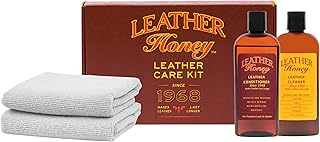
Leather Honey Complete Leather Care Kit
Cleaner, conditioner, and cloths in one box — the sensible starting point if you’re treating a sofa properly for the first time. Doing the clean step before conditioning makes a visible difference on high-contact areas like armrests, and having the right applicator cloths stops you from wasting product on a bath towel.
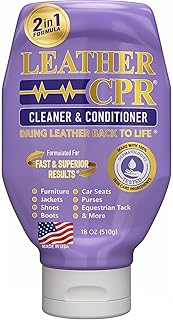
Leather CPR Cleaner and Conditioner
A genuine one-bottle workhorse that cleans and conditions in the same motion, and it’s noticeably good at bringing back a little color depth on tired, chalky-looking leather. It’s my pick for the middle ground: more restorative than a maintenance wipe, less faff than a two-stage system.
Chemical Guys Leather Cleaner & Conditioner Kit
Built for detailers, which shows in how well the pH-balanced cleaner handles ground-in grime without stripping the finish. The conditioner leaves a matte, natural feel rather than a shine, so it’s a good match for contemporary sofas where gloss would look wrong.
Frequently Asked Questions
How often should I condition a leather sofa?
Every three to six months for most homes, or as often as every eight weeks if the sofa sits in strong sun or a dry, heated room. Trust the leather over the calendar — if it feels stiff or looks matte where you sit, it’s time.
Can I use olive oil or coconut oil instead?
Don’t. Food oils don’t bind to leather fibers, they go rancid inside the hide, and they attract dust that grinds into the grain. The smell that develops months later is genuinely unpleasant and there’s no undoing it.
Will conditioner fix existing cracks?
It will soften the surrounding leather and make fine surface crazing much less obvious, but structural cracks through the finish need a repair compound and touch-up pigment. Conditioning first is still the right move, since flexible leather takes filler better.
How do I know if my sofa is real leather?
Look at the underside or a hidden seam: real leather has irregular pore patterns and a fibrous suede-like back, while bonded and faux materials show a uniform texture over a woven fabric backing. Bonded leather doesn’t absorb conditioner and needs a vinyl-safe protectant instead.
Final Thoughts
If you want one bottle that does the most for the leather itself, Leather Honey Leather Conditioner is the one I keep reaching for, and the Leather Honey Complete Care Kit is the better buy if you don’t already own a proper cleaner. For routine upkeep on a modern sealed sofa — the ten-minute job you do while the kettle boils — Weiman Leather Cleaner & Conditioner remains the most practical choice.