Key takeaways
- Match the finish, not the marketing: Nearly all sofas sold today use pigmented (finished) leather, which handles water-based cleaners well. If a drop of water darkens the hide instantly, you have unfinished or semi-aniline leather and need a far gentler approach.
- Cleaner and conditioner as separate steps: One-bottle hybrids are convenient for maintenance wipes, but genuine soil removal followed by fresh oils works better on anything neglected for more than a year. Kits let you control the ratio.
- Skip silicone and petroleum distillates: They deliver a fast gloss that traps grime and eventually stiffens the substrate. Look for water-based emulsions or plain conditioning oils instead.
- UV inhibitors for sunlit rooms: A sofa parked near a window loses color long before it loses structure. Formulas with UV protection meaningfully slow fading and the surface crazing that follows.
- Volume versus honest usage: A three-seat sofa eats roughly 4 to 6 ounces per full treatment. Twelve ounces covers a couple of rounds; buy larger or multipack if you also do car seats, boots, and bags.
What's inside
Leather sofas have a way of aging into either a heirloom or a headache, and the deciding factor is almost never the price tag. It’s what you wipe across the surface every few months. Most of the damage I’ve seen on client furniture came from good intentions: baby wipes on aniline hides, dish soap on pigmented finishes, silicone-heavy “shine” sprays that seal the pores until the panel cracks along the seat deck. The finish coat on modern upholstery leather is thinner than people assume, and once you scour through it, no product on earth puts it back.
This guide is the short list I actually keep in my shop cabinet. I’ve stripped body oil off headrests, revived sun-bleached armrests on a south-facing sectional, and tested most of these bottles on scrap panels before touching anything a customer paid for. Below you’ll find what to look for in a formula, honest notes on five options, and answers to the questions that come up every single time someone starts a leather project on a Saturday morning.
As an Amazon Associate we earn from qualifying purchases.




🛒 Best Price Today on Amazon
Prime members get fast, free shipping on everything above, plus member-only deals. New members get a 30-day free trial — cancel anytime.
How to Choose a Thing To Clean Leather Sofa (2026)
- Match the finish, not the marketing: Nearly all sofas sold today use pigmented (finished) leather, which handles water-based cleaners well. If a drop of water darkens the hide instantly, you have unfinished or semi-aniline leather and need a far gentler approach.
- Cleaner and conditioner as separate steps: One-bottle hybrids are convenient for maintenance wipes, but genuine soil removal followed by fresh oils works better on anything neglected for more than a year. Kits let you control the ratio.
- Skip silicone and petroleum distillates: They deliver a fast gloss that traps grime and eventually stiffens the substrate. Look for water-based emulsions or plain conditioning oils instead.
- UV inhibitors for sunlit rooms: A sofa parked near a window loses color long before it loses structure. Formulas with UV protection meaningfully slow fading and the surface crazing that follows.
- Volume versus honest usage: A three-seat sofa eats roughly 4 to 6 ounces per full treatment. Twelve ounces covers a couple of rounds; buy larger or multipack if you also do car seats, boots, and bags.
The Best Thing To Clean Leather Sofa (2026)s Reviewed
Weiman Leather Cleaner & Conditioner, 12 oz
This is the bottle I hand to anyone who just wants their sofa to stop looking dull without a two-hour project. It lifts light soil and leaves a low satin finish rather than a plastic shine, and the UV package earns its keep on any panel that catches afternoon light.
Weiman Leather Cleaner & Conditioner, 2-Pack 22 oz
Same formula, sane economics. If you’re maintaining a sectional plus a car interior, the larger twin bottles mean you stop rationing product halfway through the second cushion, which is exactly when people start skipping the back panels.
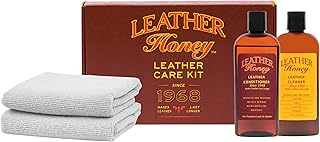
Leather Honey Complete Leather Care Kit
The cleaner does real work on grime without stripping, and the conditioner penetrates slowly and deeply instead of sitting on top. Give it overnight to absorb before you judge the result; rushing this one is the most common mistake.
Leather Cleaner and Conditioner Kit, 4-Piece Set
A sensible starter package for anyone with no supplies on hand, including applicators so you aren’t improvising with a kitchen towel. Solid performance on everyday pigmented upholstery and a good match for routine seasonal upkeep.
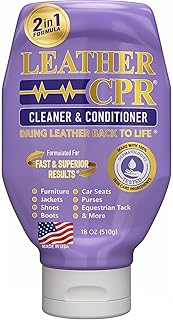
Leather CPR Cleaner and Conditioner, 18 oz
My pick for tired, thirsty leather that’s gone chalky at the wear points. It cleans and feeds in a single pass and brings back a surprising amount of depth on older hides, though genuinely fragile antique pieces still deserve a spot test first.
Frequently Asked Questions
How often should I clean and condition a leather sofa?
Dust and wipe monthly, then clean and condition every three to six months. Heavy-use family rooms, pets, and dry indoor heat push you toward the shorter interval.
Can I use these on faux leather or vinyl?
Cleaning is generally fine; conditioning is pointless because synthetics have no fibers to nourish. Check the label, and never apply oil-heavy conditioners to bonded leather, which tends to flake rather than absorb.
Will conditioner darken my light-colored sofa?
Some oil-based products deepen pale hides slightly. Leather Honey is explicitly rated safe for all colors including white, but test a hidden panel behind the skirt or under a cushion regardless.
What removes ink or dye transfer from denim?
Neither cleaner nor conditioner reliably lifts ink. Address dye transfer early with a dedicated leather prep product, and accept that set-in ink usually requires professional color work.
Final Thoughts
For most households, the Weiman 12 oz bottle is the practical default: quick, forgiving, and UV-protective. If your sofa is dry, thirsty, and overdue, reach for the Leather Honey Complete Kit and let it soak properly, or use Leather CPR when you want restoration and cleaning in one pass. Any of the three beats the alternative of doing nothing until the seat deck cracks.