Key takeaways
- Vacuum and dry-wipe every two to four weeks, depending on pets and traffic.
- Full clean and condition every three to six months. High-use seats and headrests may need it sooner.
- Spot-clean spills immediately with a dry cloth — blot, don’t rub, and never use heat to dry.
- Watch for early gloss loss on armrests and seat fronts. That’s the finish thinning, and it’s your cue to condition more often.
What's inside
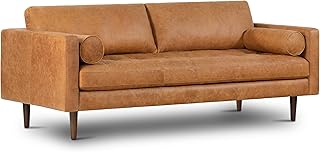
A leather sofa is one of the few pieces of furniture that genuinely rewards maintenance. Cotton upholstery wears out; leather changes. The difference between a ten-year-old couch that looks broken-in and one that looks broken comes down almost entirely to what you did on a handful of Saturday afternoons. Body oils, sunlight through a south-facing window, and dust that quietly acts like sandpaper in the seams are what age it, and none of those are dramatic enough to notice until the damage is already set.
This guide walks through the process I use on my own furniture: identifying what kind of leather you’re actually dealing with, dry-cleaning before wet-cleaning, the two-cloth method that keeps you from smearing dirt around, and how to condition without leaving a greasy film. I’ll also flag the products worth keeping in the cabinet and the household remedies that quietly do damage.
As an Amazon Associate we earn from qualifying purchases.




🛒 Best Price Today on Amazon
Prime members get fast, free shipping on everything above, plus member-only deals. New members get a 30-day free trial — cancel anytime.
First, Figure Out What Leather You Have
Almost every sofa sold at a furniture retailer is finished (pigmented or protected) leather, meaning it has a topcoat sealing the hide. That coating is what makes it durable and what makes it safe to clean with water-based products. Aniline and unfinished leathers — nubuck, suede, some high-end full-grain pieces — absorb liquid instantly and stain permanently. Test before you commit: put a single drop of water on a hidden spot, like the back panel near the floor. If it beads and sits there, you have finished leather and can proceed. If it darkens and soaks in within a few seconds, stop and consult the manufacturer or a professional. Also check the tag under the cushions; codes like W, S, or P tell you what the maker intends.
Dry-Clean Before You Wet-Clean
This step gets skipped constantly and it’s the one that causes scratches. Grit, crumbs, and pet hair collect in seams and cushion creases, and if you go straight in with a damp cloth, you’re dragging abrasive particles across the finish. Pull the cushions out, vacuum every surface with a soft brush attachment, and use a crevice tool along the piping and where the arms meet the base. Compressed air works well for tight welting. Wipe the whole thing down with a dry microfiber cloth afterward to lift the fine dust the vacuum missed.
The Two-Cloth Cleaning Method
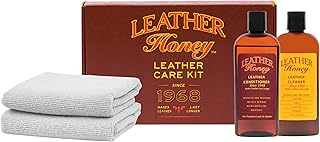
Work in panels — one cushion, one arm, one back section at a time — rather than trying to do the whole sofa at once. Spray your cleaner onto the cloth, never directly onto the leather, so you control how much moisture lands where. A dedicated cleaner does the actual work here; something like the Weiman Leather Cleaner & Conditioner handles cleaning and light conditioning in one pass, which is fine for routine upkeep. For anything neglected or visibly grimy, a two-step system separates the jobs properly: the Leather Honey Complete Leather Care Kit gives you a cleaner and a conditioner you apply in sequence, and the difference shows on older hides.
Wipe with light circular passes, then immediately follow with a second dry cloth to lift the loosened soil off the surface. That second cloth is the whole point of the method. If you skip it, you’re just relocating dirt into a thinner layer. Rinse or swap cloths as they load up.
Conditioning: Less Than You Think
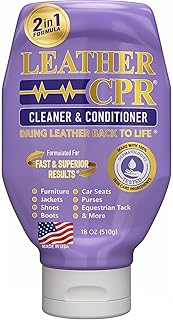
Leather doesn’t drink conditioner the way people imagine. Finished leather has a sealed surface, so conditioner works on the topcoat and the thin layer beneath it — flooding it just leaves residue that attracts dust and turns tacky. Use a dime-sized amount per cushion, work it in thin, and buff off whatever hasn’t absorbed after ten or fifteen minutes. Leather Honey Leather Conditioner is thick enough that a little genuinely covers a lot, and it’s safe on light and white leather where some products yellow. For sofas that have already gone stiff or dull, Leather CPR Cleaner and Conditioner is formulated to restore softness and color depth in one product, which makes it a good rescue option on a couch that’s been ignored for years.
How Often, and What to Watch For
- Vacuum and dry-wipe every two to four weeks, depending on pets and traffic.
- Full clean and condition every three to six months. High-use seats and headrests may need it sooner.
- Spot-clean spills immediately with a dry cloth — blot, don’t rub, and never use heat to dry.
- Watch for early gloss loss on armrests and seat fronts. That’s the finish thinning, and it’s your cue to condition more often.
Tips
- Keep the sofa at least two feet from radiators, vents, and direct window light. UV and dry heat crack leather faster than any spill. A UV-protective product like the Weiman 2 Pack helps, but placement matters more.
- Skip baby wipes, dish soap, vinegar, and magic erasers. Wipes contain surfactants that strip topcoat, and melamine foam is a mild abrasive.
- Buy a stack of cheap microfiber cloths and dedicate them to leather only. Fabric softener residue on a laundered cloth leaves streaks.
- Test any new product on the back of the sofa first and wait a full day before judging color change.
Frequently Asked Questions
Can I use a steam cleaner on leather?
No. Steam forces moisture past the topcoat and the heat can shrink or stiffen the hide. Steam is fine for fabric upholstery and a reliable way to ruin leather.
What removes ink or dye transfer from denim?
Fresh ink sometimes lifts with a leather-specific cleaner and patient blotting. Set-in ink and denim transfer on light leather usually need a professional — solvent-based DIY fixes tend to pull the pigment out along with the stain.
Does conditioning make leather darker?
Slightly and temporarily on most finished leather; it evens out as the product settles. On aniline or unfinished hides, darkening can be permanent, which is why the water-drop test comes first.
Is a four-piece kit better than a single bottle?
For a first deep clean, yes — kits like the 4-Piece Leather Cleaner and Conditioner Set include applicators and brushes that make seam work much easier. For routine maintenance afterward, a single all-in-one bottle is usually enough.
Conclusion
The best way to clean a leather sofa isn’t complicated: know your leather, vacuum before you wipe, clean in panels with two cloths, and condition sparingly a few times a year. Do that consistently and the couch develops the patina people pay extra for, instead of the cracked armrests that send it to the curb early.