Key takeaways
- Thickness and stiffness: A 1.5″ solid slab resists deflection under hand-plane pressure and holds a vise or bench dog without tearing out. Thinner panels work fine for assembly and light craft, but they’ll flex under real downward force.
- Wood species behavior: Acacia is dense and dimensionally stable with dramatic grain; birch is lighter in color, easier to plane flat, and takes stain evenly; rubberwood sits in the middle and is typically the most affordable per square foot.
- Sacrificial versus permanent: Mats are consumables. If you cut, solder, or spray regularly, plan to replace the top layer every year or two rather than trying to preserve it. That’s a feature, not a flaw.
- Finish plans: Unfinished slabs let you choose your protection — a penetrating oil for repairability, polyurethane for chemical resistance, or nothing at all if you want a surface that grips workpieces. Pre-finished tops save a weekend but lock you into someone else’s choice.
- Dimensions before delivery: Measure your frame’s actual footprint and decide on overhang. An inch or two of overhang on the front edge gives clamps somewhere to grab; flush edges look tidier but limit your holdfast options.
Every bench starts out flat, clean, and full of promise. Then comes the first can of spray lacquer, the first errant chisel slip, the first clamp that bites into the surface and leaves a permanent divot. Six months later you’re working on something that looks like a topographic map, and the real problem isn’t cosmetic: an uneven top means your joinery drifts, your glue-ups rack, and your router base rocks at exactly the wrong moment. The top is the reference surface for everything else you build on it, so it deserves more thought than “whatever plywood was on sale.”
The good news is that you don’t need a single perfect answer. Solid hardwood slabs, rubberwood panels, and protective mat layers each solve different problems, and plenty of makers run a combination — a hardwood core for flatness and mass, with a sacrificial layer on top for the messy work. This guide breaks down which material fits which kind of shop, what to look for in thickness and finish, and how the current crop of options actually holds up once you start putting tools on them.
Our top picks




As an Amazon Associate we earn from qualifying purchases at no extra cost to you. Ratings are shown as listed on Amazon.
🛒 Best Price Today on Amazon
Prime members get fast, free shipping on everything above, plus member-only deals. New members get a 30-day free trial — cancel anytime.
How to Choose a Workbench Top Material (2026)
- Thickness and stiffness: A 1.5″ solid slab resists deflection under hand-plane pressure and holds a vise or bench dog without tearing out. Thinner panels work fine for assembly and light craft, but they’ll flex under real downward force.
- Wood species behavior: Acacia is dense and dimensionally stable with dramatic grain; birch is lighter in color, easier to plane flat, and takes stain evenly; rubberwood sits in the middle and is typically the most affordable per square foot.
- Sacrificial versus permanent: Mats are consumables. If you cut, solder, or spray regularly, plan to replace the top layer every year or two rather than trying to preserve it. That’s a feature, not a flaw.
- Finish plans: Unfinished slabs let you choose your protection — a penetrating oil for repairability, polyurethane for chemical resistance, or nothing at all if you want a surface that grips workpieces. Pre-finished tops save a weekend but lock you into someone else’s choice.
- Dimensions before delivery: Measure your frame’s actual footprint and decide on overhang. An inch or two of overhang on the front edge gives clamps somewhere to grab; flush edges look tidier but limit your holdfast options.
The Best Workbench Top Materials (2026) Reviewed
Unfinished Birch Butcher Block Countertop, 60″ x 25″ x 1.5″
At five feet wide this is a genuine full-length bench top, and birch’s tight, even grain makes it the easiest of the three hardwoods here to flatten with a jointer plane or router sled. Seal the underside as well as the top before installing — unequal moisture exchange is what causes slabs to cup.
ClosetMaid ProGarage Rubberwood Workbench Top
Rubberwood delivers most of the mass and hardness of pricier species at a friendlier cost, and this one arrives finished and ready to bolt down. It’s the pragmatic pick for a garage bench that needs to be usable this weekend rather than perfect next month.
Howizz Acacia Butcher Block Countertop, 36″ x 25″
Acacia is noticeably harder than birch, which means better dent resistance where you drop tools and set down cast-iron parts. The 36″ length suits a compact bench, a mobile cart, or a dedicated sharpening and layout station in a tight shop.
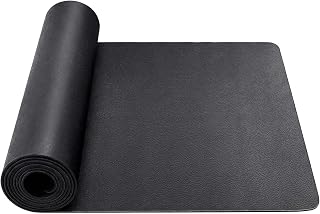
Drydiet PU Leather Workbench Mat, 24″ x 72″
The PU leather surface wipes clean of oil, flux, and epoxy squeeze-out far better than fabric or foam, and it’s cuttable, so you can trim to an odd bench footprint or around a vise. Best suited to electronics, finishing, and assembly work rather than chopping and chiseling.
48″ x 17″ PVC Workbench Mat with Steel Plate Texture
The embossed steel-plate pattern does real work here, keeping small parts and screwdrivers from rolling off while adding a bit of cushion for delicate components. At 1.5mm it’s thin enough to sit under a vise mount without throwing off your working height.
Frequently Asked Questions
Should I finish a butcher block bench top?
Yes, at minimum with a wiping oil on all six faces. Bare wood absorbs moisture unevenly and will move seasonally; oil slows that exchange and makes spills easier to wipe up without sealing the surface glassy.
Is 1.5″ thick enough for hand-tool work?
For most makers, yes — especially if the slab is well supported by a frame with cross members every 24″ or so. Dedicated hand-plane users who want serious mass sometimes laminate a second layer along the front edge.
Can I put a mat over a wood top?
That’s arguably the ideal setup. The hardwood provides flatness and stiffness, the mat absorbs the abuse, and you swap the mat when it’s chewed up instead of resurfacing an entire slab.
How do I attach a slab without cracking it?
Use oversized holes or figure-eight fasteners so the wood can expand and contract across its width. Fixing a slab rigidly at multiple points across the grain is the fastest way to split it.
Final Thoughts
For a primary bench you’ll keep for a decade, the 60″ unfinished birch slab gives you the most surface, the flattest reference, and full control over the finish. The ClosetMaid ProGarage rubberwood top is the better value if you want a solid, durable surface installed with minimal fuss, and the Howizz acacia block is the one to reach for in a smaller shop where hardness matters more than square footage. Whichever you pick, add a PVC or PU mat on top and let it take the beating instead of the wood.