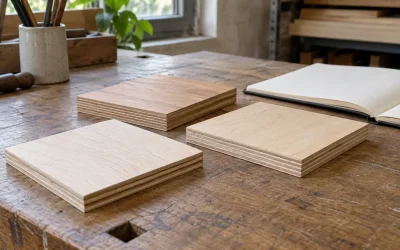
Compare Plywood Face Grades for a Visible Cabinet Panel
Compare plywood face and back appearance, visible surfaces and separate core requirements with a cabinet-panel selection worksheet.
Compare plywood face and back appearance, visible surfaces and separate core requirements with a cabinet-panel selection worksheet.
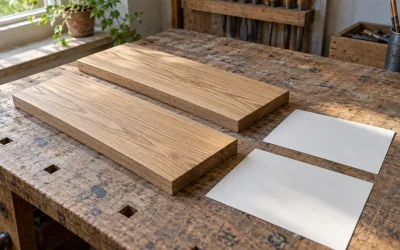
Mark grain orientation, show faces and paired parts before arranging a small woodworking project on stock, using a clear part-map worksheet.
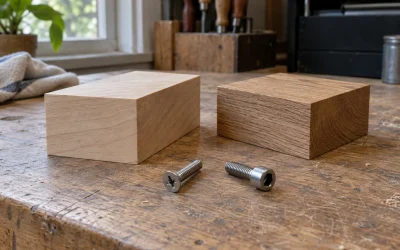
Separate countersink and counterbore shapes, diameters, depths and angles with a drawing-reading worksheet before selecting tools.
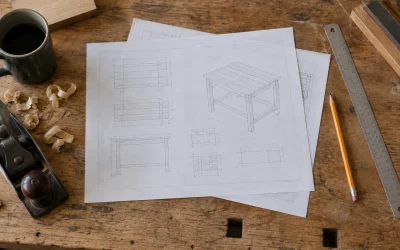
Verify a printed plan against its intended scale, reference lengths and page joins before using the paper as a woodworking template.

Compare clamp opening, inward reach and complete body clearance using a two-direction worksheet before assuming a longer clamp will fit.

Compare every identifier required by an official tool recall notice, keep unreadable codes unresolved, and record the specified next action.
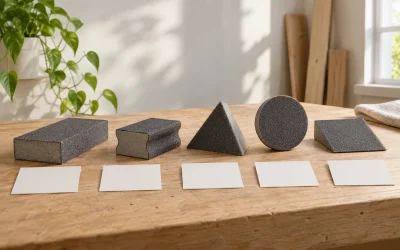
Compare sanding sponge product codes, grade labels, abrasive faces, and stated applications with a worksheet that keeps uncertain equivalents visible.

Build an adhesive timeline that separates assembly, clamping, later work, finishing, and use without guessing a universal cure time.

Keep original dimensions, conversions and rounding decisions clear on mixed-unit DIY plans with an audit table and worked examples.

Calculate the faces and edges included in a refinishing plan with a simple area worksheet, without guessing abrasive consumption or labor time.