how to prevent window condensation: More sealant or more powerful dehumidification will not fix every kind of moisture: trapped between-pane haze requires glass-unit service, and sealing a house without planned fresh-air ventilation can worsen air quality.
Quick Answer: To reduce condensation on the INSIDE of windows, dry wet frames, check indoor RH, reduce shower/cooking/humidifier moisture, vent kitchens and bathrooms outdoors, and allow warm air to reach cold glass. Persistent fog between panes needs window service.
As an Amazon Associate we earn from qualifying purchases.
By DIY Ideas 4 Home Editorial Team
Before You Start: Tools, Materials and Safety
Work only with the surfaces, materials and controls that the exact manual identifies as owner-accessible. Check the expected result at each stage before proceeding.
| Decision point | Owner action | Result to check | Stop or exception |
|---|---|---|---|
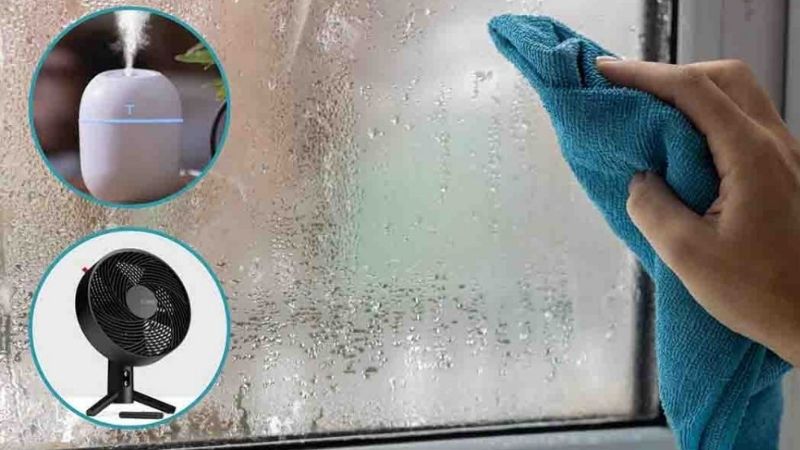
| Remove pooled moisture promptly | Wipe wet glass and frame surfaces and inspect finishes for recurring dampness. | No standing water should remain after the immediate cleanup. | Water intrusion, rot or extensive mold requires further evaluation. |
| Reduce excess vapor at its source | Run outdoor-vented kitchen and bathroom exhaust while generating steam; vent the clothes dryer outdoors. | Look for less room-side fog during similar activities. | Do not discharge moisture into an attic. |
| Measure RH and adjust the humidifier | Use a hygrometer and reduce a humidifier when windows or walls condense. | In a cold climate, ENERGY STAR often suggests 30-40% RH as a winter starting point. | Avoid raising humidity over EPA humidifier guidance. |
| Improve window-side air movement | Open curtains or blinds when practical and assess cold-glass insulation or storm-window options. | Check whether condensation persists after better circulation. | Fog trapped between panes needs window service, not household wiping. |
Vent shower steam through outdoor exhaust
The U.S. EPA explains that run kitchen/bathroom exhaust fans that vent outside; vent clothes dryers outdoors.
Preventing window condensation starts by controlling moisture at its source. In a bathroom, use an exhaust fan that actually vents outdoors rather than moving damp air into an attic or enclosed cavity. During cooking, use appropriate kitchen exhaust and cover pots when it makes sense for the recipe. Consider how indoor clothes drying or a frequently damp basement affects nearby rooms. These steps reduce the water vapor reaching cold glass; they do not require sealing windows permanently. If the window frame is already wet, dry it gently while you work on the underlying cause so water does not remain against paint, caulk, or wooden trim.
Vent cooking and clothes dryers appropriately
EPA lists bathing, cooking, laundry, moisture-generating appliances and high humidifier output as indoor moisture contributors.
Measure indoor relative humidity before deciding that a dehumidifier is the answer. Set a hygrometer in normal room air, away from the glass and any humidifier outlet. Compare readings before and after high-moisture events and inspect the same windows the next morning. In winter, even a percentage that seems reasonable on a general comfort chart may be too high for a particularly cold pane or frame. If you use a humidifier, reduce its output when glass begins to collect water. Do not assume that raising the room temperature alone will eliminate all moisture, especially when the household keeps adding vapor.
Use humidifier output only when RH indicates a need
The U.S. EPA explains that below 60% RH and ideally 30-50% RH where feasible; humidifier use should not raise RH above 50%.
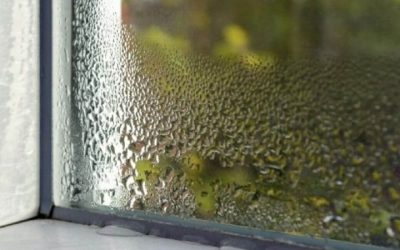
Surface temperature also matters. Cold window glass can turn otherwise invisible water vapor into visible droplets, so a homeowner may need both moisture control and attention to the window assembly. Check whether curtains are pressing against wet glass or stopping normal room air circulation near the pane. Where appropriate, move coverings slightly clear and let the surface dry. Do not block built-in window drainage channels with caulk in an attempt to prevent condensation. If the window leaks during rain, or if water appears between panes, those are separate issues requiring suitable window repair rather than routine room-humidity adjustments.
How to Interpret the Evidence
Vapor sources + cold surfaces interact; control moisture, ventilate correctly and improve glass-side heat flow.
Exhaust fans must discharge outdoors, not into attic/ceiling cavities.
An RH setpoint should respond to actual window wetting and local climate, not be fixed nationally.
How to Do the Task Step by Step
Begin with observable conditions and proceed only through permitted user controls. A safety alarm, damaged part, live connection or inaccessible component ends the do-it-yourself path.
Step 1: remove pooled moisture promptly
Wipe wet glass and frame surfaces and inspect finishes for recurring dampness. No standing water should remain after the immediate cleanup.
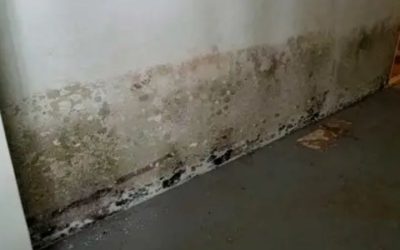
Water intrusion, rot or extensive mold requires further evaluation.
Make changes sequentially so you can tell what worked. First address a clear moisture source, such as an unvented shower. Then inspect the indoor RH and the same window under comparable weather. If water still collects, check humidifier settings and whether the affected glass is unusually cold. Keep brief notes about the time of day and conditions rather than making multiple large changes at once. A useful outcome is fewer recurring droplets and a sill that stays dry through normal use. Do not treat one unexpectedly dry afternoon as proof that a season-long condensation problem is solved.
Step 2: reduce excess vapor at its source
Run outdoor-vented kitchen and bathroom exhaust while generating steam; vent the clothes dryer outdoors. Look for less room-side fog during similar activities.
Do not discharge moisture into an attic.
Andersen explains that open blinds/curtains during the day to promote air movement and use bathroom exhaust fan.
For a localized problem, compare nearby windows rather than immediately changing humidity for the entire house. If only one window stays wet, examine its frame, seal, exposure, and airflow; a building-specific cold spot may be involved. If most windows fog after bathing or cooking, moisture production and ventilation become stronger clues. If the basement smells musty or wall corners stay damp, look beyond the glass for hidden water. Condensation control is successful when both the air and the building surfaces are managed, not just when droplets are temporarily wiped away.
Step 3: measure RH and adjust the humidifier
Use a hygrometer and reduce a humidifier when windows or walls condense. In a cold climate, ENERGY STAR often suggests 30-40% RH as a winter starting point.
Avoid raising humidity over EPA humidifier guidance.
ENERGY STAR suggests 30-40% during cold-climate heating season to help limit window condensation; adjust for windows and outdoor conditions.
Escalate when moisture causes recurring staining, softened trim, peeling paint, or visible growth around the frame. A professional may need to evaluate the window, insulation, ventilation, or a water leak. Do not sand or disturb suspicious moldy materials indiscriminately, especially after extensive water damage. A dehumidifier can help some indoor conditions but does not repair damaged glazing, hidden rain entry, or missing exhaust ducting. Preserve normal window operation and emergency egress while adding any temporary treatment; a comfort improvement should not create a new safety issue.
Step 4: improve window-side air movement
Open curtains or blinds when practical and assess cold-glass insulation or storm-window options. Check whether condensation persists after better circulation.
Fog trapped between panes needs window service, not household wiping.
The U.S. EPA explains that insulating/storm windows and airflow around cold surfaces may help lower condensation risk.
Remember that different rooms can create moisture at different times. A bathroom may briefly become humid after bathing while an adjacent bedroom stays within an ordinary range. Target the bathroom exhaust and the wet surface first rather than lowering moisture throughout the building without evidence. Conversely, condensation around many windows may justify checking whole-home humidity, heating distribution, and the condition of the glazing. Taking this room-by-room view keeps the solution proportional to the actual problem.
Products That Help
Useful supplies for the specific checks above can include digital hygrometer and outdoor-vented bath exhaust fan. Confirm the exact size, device compatibility and applicable maintenance instructions first. Equipment and tools do not remove the need to stop for a safety fault.
Frequently Asked Questions
The answers below separate normal operation, owner-accessible checks and conditions that require manufacturer support or professional service.
How do I stop condensation on windows overnight?
Dry wet frames, reduce indoor vapor from evening activities and use outdoor-vented bathroom or kitchen exhaust. Check RH and lower excessive humidifier output.
Will opening windows in winter reduce condensation?
When outside air is appropriate, ventilation can reduce trapped indoor moisture, but it depends on outdoor conditions and must not introduce more pollution.
Does window film prevent condensation?
Interior film may improve window insulation and reduce some cold-surface problems; it cannot fix failed sealed glazing or an uncontrolled source of indoor moisture.
What if moisture is between the two panes?
Moisture trapped between sealed panes indicates a window-seal problem rather than ordinary room-side condensation. Consult the window manufacturer or a glazier.
Final Thoughts
Wipe wet glass and frame surfaces and inspect finishes for recurring dampness. Fog trapped between panes needs window service, not household wiping.