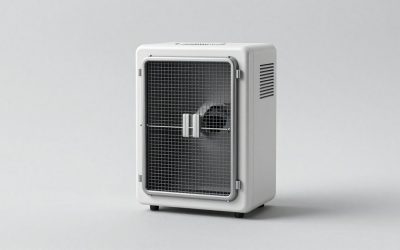
Humidifier vs dehumidifier: A dehumidifier cannot remedy dry air; a humidifier cannot correct dampness. Humidity issues can also require ventilation and leak repair rather than either product. EPA says keep indoor RH below 60%, ideally 30 to 50% where practical.
Quick Answer: A humidifier ADDS moisture to air that is too dry; a dehumidifier REMOVES moisture from damp air. Check RH using a hygrometer before deciding. EPA generally prefers 30 to 50% indoor RH; in colder winter conditions, ENERGY STAR notes 30 to 40% may help prevent window condensation. Fix water leaks and ventilation issues first when moisture is persistent.
As an Amazon Associate we earn from qualifying purchases.
By DIY Ideas 4 Home Editorial Team
Humidifier vs Dehumidifier: Key Differences
A humidifier adds moisture; a dehumidifier removes it. What your room needs is determined by a measured relative-humidity problem and its cause. The table highlights what each device changes and what remains outside its purpose. A relative-humidity reading belongs in the decision before either machine is selected
| Factor | Humidifier | Dehumidifier | Better For |
|---|---|---|---|
| EPA baseline target | EPA says keep indoor RH below 60%, ideally 30 to 50% where practical. | U.S. Environmental Protection Agenc | Check model, season, or environmental conditions |
| Humidifier over-humidification limit | EPA use-and-care asks users not to run humidifier above 50% RH and to reduce use if condensation or dampness appears. | U.S. Environmental Protection Agenc | Check model, season, or environmental conditions |
| Winter cold climate guidance | ENERGY STAR says during colder heating season humidity should be about 30 to 40% RH to prevent window condensation. | Manufacturer / agency guidance | Check model, season, or environmental conditions |
| Humidity measuring device | EPA identifies hygrometers as a way to measure RH; AcuRite 00613 is a model example with ±3 percentage points at 20 to 80% RH. | AcuRite | Check model, season, or environmental conditions |
| Evaporative vs ultrasonic add-water methods | Honeywell identifies evaporative wick/fan, ultrasonic aerosol, and warm mist boiling as separate ways to add moisture. | Honeywell Plugged In / Kaz | Check model, season, or environmental conditions |
| Dehumidifier sizing metric | ENERGY STAR capacity = pints of water removed per 24 h under standard test conditions, not holding tank gallons. | Manufacturer / agency guidance | Check model, season, or environmental conditions |
| Test standard changed in 2020 | ENERGY STAR warns current DOE dehumidifier capacity may be lower numerically than older test results due to cooler more realistic conditions; not a product downgrade. | Manufacturer / agency guidance | Check model, season, or environmental conditions |
Quick answer based on measured relative humidity
Do not use moisture-control appliances to hide a plumbing leak. Remove standing water, repair the source and follow electrical safety rules near wet floors
EPA identifies hygrometers as a way to measure RH; AcuRite 00613 is a model example with plus or minus 3 percentage points at 20 to 80% RH. A similar sign on another household moisture control model may follow a different control mechanism.
Apply this finding only to the documented household moisture control context, particularly household moisture control, and not as an all-brand performance promise. Your household moisture control equipment manual and the actual surroundings determine the relevance of this point.
Choose a machine only after addressing leaks, steam sources and ventilation. A device cannot substitute for repairing water intrusion.
Use relative humidity rather than season alone to decide which device belongs in a room. The EPA’s general indoor ideal is approximately 30 to 50 percent RH, while guidance for colder heating conditions may call for a lower practical target to avoid condensation. A humidifier adds moisture to dry air; a dehumidifier collects moisture from damp air. Running both automatically at opposite targets in one room wastes control effort and masks the actual source.
Use the room’s actual problem as the deciding factor. A dry bedroom with no wet glazing may benefit from controlled added humidity, while a basement with persistent condensation calls for moisture removal and leak investigation. The same household can contain both conditions, especially across floors or seasons. That does not justify aiming two appliances at each other in one enclosed room; it calls for local measurements and controls.
What to do with persistent condensation or a damp smell
ENERGY STAR says during colder heating season humidity should be about 30 to 40% RH to prevent window condensation.
EPA use-and-care asks users not to run humidifier above 50% RH and to reduce use if condensation or dampness appears.
A dehumidifier often uses a refrigeration process: room air crosses a cooled surface, liquid water collects, and the air leaves with less moisture. Operating energy and released heat can make air around the device feel warmer, but that does not make it a substitute for conventional room heating. For damp basements, drainage and leak repair come before choosing a larger rated extraction capacity. A machine cannot resolve bulk water entering through a wall.
When comparing equipment sizes, keep a daily extraction rating and a tank-storage volume separate. A larger dehumidifier may need less frequent emptying only if its bucket or hose arrangement supports the task, not simply because it carries a higher pints-per-day label. On the humidifier side, a larger reservoir does not necessarily mean higher safe output. Room RH, maintenance effort, and drainage determine usability more directly.
Moisture direction: add vs remove
DOE home ventilation guide advises owners to use humidifier in winter only with enough airflow to prevent moisture issues; dehumidifier removes moisture with energy use; fans should vent outdoors.
Honeywell identifies evaporative wick/fan, ultrasonic aerosol, and warm mist boiling as separate ways to add moisture.
Two rooms within the same home can call for different responses, but operating opposite appliances against each other in one room wastes effort. For example, a dry heated bedroom and a damp basement may reflect different air and moisture conditions. Measure each with a hygrometer rather than using a single thermostat sensor as a whole-house verdict. If a basement has an active leak, fix the water entry first; lowering RH does not replace a plumbing or drainage repair.
Which One to Choose by Situation
These household moisture control actions avoid protected components and stay within owner-permitted maintenance, and each response should be judged against the device manual and the actual room condition
Mechanism: wick/mist/steam vs water condensation
Honeywell HUL520 ultrasonic reports that manufacturer lists 0.5 gal water tank; mist is visible and cool; not an efficiency comparison. Match the household moisture control model, operating mode and exact location to the explanation.
Honeywell HUL520 ultrasonic: manufacturer lists 0.5 gal water tank; mist is visible and cool; not an efficiency comparison.
Manufacturer specifications need their units attached. A Midea model listed at 35 pints per day describes a capacity under defined test conditions, not the bucket’s internal volume or an amount guaranteed every day in a particular house. A Honeywell ultrasonic tank listed at half a gallon is a storage figure, not a direct measure of humidity control. Compare actual room RH and use pattern before drawing conclusions from those numbers.
Conditions: dry indoor air vs damp rooms
ENERGY STAR warns current DOE dehumidifier capacity may be lower numerically than older test results due to cooler more realistic conditions; not a product downgrade.
DOE home ventilation guide: use humidifier in winter only with enough airflow to prevent moisture issues; dehumidifier removes moisture with energy use; fans should vent outdoors.
Maintenance and electricity use: both have trade-offs
Midea MAD35C1AWS EasyDry reports that manufacturer lists 35 pints/day, 11.1 by 15.43 by 24.25 in; advertised room-size claims are not independently validated.
The AcuRite 00613 example has manufacturer-stated humidity accuracy of plus or minus three percentage points within its specified 20 to 80 percent RH band. That uncertainty matters when deciding whether a reading near the target represents a meaningful change. Place the gauge away from a humidifier outlet, heating vent, or damp basement corner if those are not representative of the room. Repair moisture sources and check window surfaces before shifting either appliance’s setting.
Cold winter room with low hygrometer reading
ENERGY STAR warns room near dehumidifier can feel warmer; moisture extraction has some heat output.
Products That Help
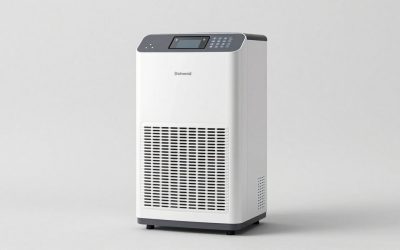
Honeywell HUL520 humidifier and Midea MAD35C1AWS dehumidifier are relevant here only when their dimensions, operating conditions, and intended purpose match the situation. A AcuRite 00613 hygrometer may be useful for the separate monitoring or safety role indicated in the manufacturer instructions. Use the exact manual or official product listing to confirm compatibility rather than buying an unverified substitute.
Frequently Asked Questions
The questions below address unresolved decisions about household moisture control. The answers stay within the source conditions rather than inventing a model-specific fix
Can I use a humidifier and dehumidifier in the same home?
Yes, in different rooms or seasons with distinct moisture needs. Do not operate them against each other in one space without measuring relative humidity first.
Should I run a humidifier in winter?
Only if the measured indoor RH is genuinely too low and condensation is not developing. EPA moisture guidance often cites a practical 30% to 50% indoor target, with winter surface temperatures affecting the safer upper limit.
Will a dehumidifier warm or cool my room?
What indoor humidity percentage means I need one?
Use a hygrometer rather than a universal trigger. EPA recommends RH below 60%, ideally 30% to 50% where feasible; low or high readings must also be interpreted against window condensation and moisture sources.
Final Thoughts
Measure the room rather than choosing by appliance name or season. Humidifier vs dehumidifier is a direction-of-control decision: one adds moisture and the other removes it. Check the dampest and driest occupied rooms separately, since one whole-house setting may not suit both.