
The moment a yoga mat fails you is unmistakable: you sink into downward dog, your palms creep forward a quarter inch, and suddenly every muscle in your shoulders is fighting the floor instead of working with it. Grip is the whole argument. Thickness matters, weight matters, and the environmental story is worth caring about, but a mat that slides under wet hands turns a strong practice into damage control. That single failure explains why some people own three mats and still shop for a fourth.
Below are ten mats I’d recommend to real practitioners with real preferences — the sweaty vinyasa regular, the alignment nerd, the traveler stuffing gear into a carry-on, the beginner who mostly wants knees that don’t ache during table top. Each entry notes thickness, surface behavior, and the trade-off you’re accepting, because every mat is a compromise somewhere. Cushioning steals stability. Grip often costs you weight. Pick the compromise you can live with, not the spec sheet that reads best.
Our top picks




As an Amazon Associate we earn from qualifying purchases at no extra cost to you.

Prime
Gaiam Thick Yoga Mat with Easy-Cinch Carrying Strap
View on Amazon
July 17, 2026

Retrospec
Prime
Retrospec Solana Yoga Mat 1" Thick w/Nylon Strap for Men & Women – Non Slip Exercise Mat for Home Yoga, Pilates, Stretching, Floor & Fitness Workouts
View on Amazon
July 17, 2026

wimwum
Prime
Extra Wide Yoga Mat 72" x 32", 6mm Non Slip TPE Exercise Mat with Carrying Strap, Large Workout Mat for Yoga, Pilates, Stretching, HIIT & Home Gym
View on Amazon
July 17, 2026

YOTTOY
Prime
YOTTOY Yoga Mat,Extra Thick Yoga Mat (1/2inch),Professional TPE Exercise Mat,Non-Slip Workout Mat for Yoga, Pilates, Fitness, Barefoot Workouts, Home Gym Studio with Strap
View on Amazon
July 17, 2026

AmazonBasics
Prime
Amazon Basics Extra Thick Exercise Yoga Mat with Carrying Strap
View on Amazon
July 17, 2026
View on Amazon
never
Quick Comparison
| Mat | Thickness | Surface / Material | Best For |
|---|---|---|---|
| Manduka PRO | 6 mm | Closed-cell PVC | Joint support, lifetime durability |
| Manduka PROlite | 4.7 mm | Closed-cell PVC | Studio-to-home versatility |
| Liforme Original | 4.2 mm | Polyurethane over rubber | Alignment guidance, hot classes |
| lululemon The Mat | 5 mm | Polyurethane over rubber | Sweaty flow, dual-sided use |
| Jade Harmony | 4.8 mm | Open-cell natural rubber | Instant dry grip, natural materials |
| B Mat Everyday | 4 mm | Natural rubber | Balanced daily practice |
| Yoga Design Lab Combo | 3.5 mm | Microfiber-topped rubber | Hot yoga, no towel needed |
| Gaiam Premium Print | 6 mm | Textured PVC | Budget cushioning, beginners |
| BalanceFrom GoYoga | 12.7 mm | High-density foam | Floor work, stretching, Pilates |
| Manduka eKO Superlite | 1.5 mm | Natural tree rubber | Travel and hotel-room practice |
How to Choose
- Match grip to your sweat level. Closed-cell mats repel moisture and need a towel or broken-in surface. Open-cell rubber and polyurethane absorb it and get grippier as you heat up.
- Decide what your joints need. Around 4–5 mm suits most standing sequences. Go to 6 mm or thicker if kneeling hurts, but expect balance poses to feel wobblier.
- Weigh the commute. A 7-pound mat is glorious at home and miserable on a fifteen-minute walk. If you carry it daily, stay under 5 pounds or buy a second travel mat.
- Check the break-in period. Some premium PVC mats are genuinely slick out of the box and need weeks of use or a salt scrub before they behave.
- Consider material sensitivities. Natural rubber grips beautifully but has a distinct smell and is off the table for latex allergies.
Top Picks Reviewed
Manduka PRO
The workhorse. Dense 6 mm PVC that doesn’t compress under a heavy chaturanga and reportedly outlasts several cheaper mats. The catch is real: it’s slippery until broken in, and it’s heavy. Treat it as a home or studio-locker mat and it earns its price over years, not months.
Manduka PROlite
The PRO’s sensible sibling — same closed-cell construction and cushioned feel, roughly a third less bulk. At 4.7 mm you keep genuine joint protection while getting a mat you can actually carry to class without resenting it. My default recommendation for someone buying one mat for everything.
Liforme Original
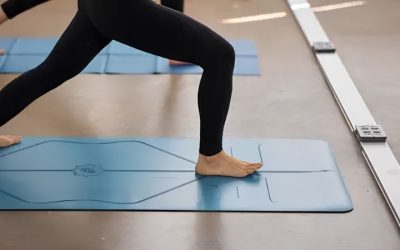
The etched alignment system is more useful than it sounds: center line, foot markers, and angled guides that quietly correct a drifting warrior two. The polyurethane top grips hard when damp, making it a strong hot-yoga choice. It’s expensive and slightly oversized, but self-taught practitioners get real value from the guides.
lululemon The Mat
Two surfaces, one mat: a polyurethane side that clings to sweaty palms and a natural rubber side for dry, low-sweat sessions. The 5 mm build feels planted rather than plush. Worth knowing the grippy face collects lint and prefers a damp cloth over harsh cleaners.
Jade Harmony
Open-cell natural rubber with grip that shows up immediately — no break-in, no salt scrub, no waiting. It sheds slightly over time and the rubber smell lingers for a week or two, but for practitioners who value traction and natural materials over longevity, nothing feels quite this secure underfoot.
B Mat Everyday
A 4 mm rubber mat that lands in the sweet spot between stability and padding. The surface is textured enough for damp hands but not so tacky that transitions drag. Solid choice if you flow and lift and stretch on the same mat and don’t want to think about it.
Yoga Design Lab Combo Mat
A microfiber towel top bonded to rubber, so you skip the extra towel entirely. Genuinely thirsty for sweat, which makes it excellent in hot rooms and slightly slick when bone dry — a light mist fixes it. Thin at 3.5 mm, machine washable, and the prints are worth the shelf.
Gaiam Premium Print
The affordable entry point that doesn’t feel like a compromise for the first year. Six millimeters of textured PVC handles kneeling and floor work comfortably, and the sticky finish suits gentle or restorative styles. Heavy vinyasa will wear the top layer faster than a premium mat would.
BalanceFrom GoYoga
Not really a yoga mat so much as an excellent floor cushion — half an inch of foam that makes hip openers, Pilates, and physical therapy work painless. Balance poses suffer noticeably at this thickness. Buy it alongside a thinner mat, not instead of one.
Manduka eKO Superlite
Folds to roughly the size of a sweater and weighs about two pounds. You feel every inch of the floor beneath it, which is the point: it’s a layer of reliable rubber grip between you and unfamiliar carpet. Also works stacked on a studio’s communal mat.
Frequently Asked Questions
How thick should my mat be?
Most practitioners are best served between 4 and 5 mm. That range protects wrists and knees without undermining balance. Choose 6 mm or more if you have sensitive joints or spend most of your time on the floor, and go thin only for travel.
Why does my new mat feel slippery?
Closed-cell PVC mats often ship with a factory film that has to wear off. Practice on it regularly, or scrub it with coarse sea salt and let it sit overnight before rinsing. Grip typically improves within a few weeks of consistent use.
How do I clean a yoga mat properly?
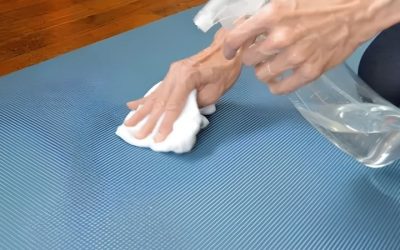
Wipe it down with water and a drop of mild soap, then air dry flat or hung. Skip alcohol, vinegar, and essential oils on rubber and polyurethane — they degrade the surface. Open-cell mats absorb liquid, so use less than feels natural and dry thoroughly.
Is natural rubber worth the extra cost?
If you sweat, yes. Rubber and polyurethane surfaces grip damp skin in a way PVC generally can’t. The trade-offs are weight, odor, latex sensitivity, and a shorter usable life. If you practice gently in a cool room, quality PVC will serve you longer for less.
Final Thoughts
Buy for the practice you actually do, not the one you imagine. If you sweat through classes, prioritize an absorbent grip surface and accept the extra care it demands. If you’re rebuilding a body that’s tired of hard floors, take the cushioning and let balance poses be a little harder for a while. And if you’re honestly not sure yet, the mid-thickness rubber options are the safest bet — they do most things well, and they’ll tell you soon enough what you actually want next.
Write Your Review
No reviews yet. Be the first to share your experience!