An ice maker may stop producing cubes because it has been switched off, its freezer is too warm, its water supply is restricted, or ice is preventing a normal harvest cycle. Those are the useful first answers to why is my ice maker not working; a failed motor or inlet valve is possible, but not the first part to replace. Check whether the bin is actually empty, because a full bin that will not dispense ice points to a different fault.
Quick Answer: Confirm the ice maker is on, check that the freezer is near 0°F, inspect the accessible water line and filter, and give a newly installed unit time to cool. Stop if you find a leak, exposed wiring, or a component that requires removing an electrical or water-valve housing. The refrigerator owner’s manual controls any reset or part-replacement procedure.
As an Amazon Associate we earn from qualifying purchases.
By DIY Ideas 4 Home Editorial Team
Why Your Ice Maker Stops Working: Common Causes
Ice makers must have enough cold air, a measured fill of water, and a clear path to release cubes. A problem with any one of those stages can look like the same empty bucket. The distinctions below matter because a filter replacement will not repair a broken harvest motor, and replacing a motor will not restore a closed supply valve.
| Symptom or Sign | Likely Cause | First Check | DIY or Pro |
|---|---|---|---|
| Empty bin after installation | Ice maker off or cooling not complete | Switch status and installation date | DIY check |
| Soft food or slow ice production | Freezer running too warm | Independent freezer thermometer | DIY check, then service if cooling fails |
| Small or hollow cubes; weak water dispenser | Restricted water supply or filter | Shutoff valve, hose, correct filter | DIY visual check |
| Water in tray but no harvested cubes | Ice jam or harvest-cycle fault | Visible obstruction and manual instructions | DIY observation, then pro |
| Repeated frost at fill area or water leaking | Frozen fill tube or inlet-valve fault | Visible frost, puddles, line position | Pro for internal diagnosis |
The Ice Maker Is Off or the Bin Sensor Is Blocked
A raised shutoff arm, an Ice Off setting, or an incorrectly positioned bin can tell the appliance to stop making cubes. Whirlpool’s Ice Maker Troubleshooting guide identifies a mispositioned control arm as a cause of halted production. Models with electronic controls may instead have an icon on the door panel, and some use an optical sensor that needs an unobstructed view of the bin.
Do not force a plastic arm or bend a sensing paddle. Check your exact model’s use-and-care guide to learn what its on position looks like. If it was recently installed, this is especially important: GE Appliances’ New Icemaker Not Producing Ice guidance says new units may arrive with the ice maker switched off, and may need up to 24 hours before the first cycle.
The Freezer Is Too Warm to Complete a Cycle
Water can freeze slowly even when some freezer food feels hard. In GE Appliances’ Refrigerator – Icemaker Not Producing Ice support article, the recommended freezer setting is 0°F and the fresh-food setting is 37°F. That GE guidance says its covered ice-making mechanism must reach 16°F before a harvest cycle begins. This is a model-dependent operating threshold, not a universal setting for every ice maker.
The FDA’s Refrigerator Thermometers guidance recommends 0°F for freezer food storage and an independent appliance thermometer because control-panel settings do not necessarily show actual air temperature. If the measured temperature stays much warmer than its target, look for a blocked door, damaged gasket, overpacked vents, or a refrigerator-wide cooling problem before blaming the ice maker.
Water Cannot Reach the Ice Tray Reliably
A closed saddle or shutoff valve, a crushed refrigerator supply tube, and poor house-water flow can all leave an otherwise working ice mold dry. Frigidaire’s support article on insufficient ice production flags supply-line kinks, including those created when a refrigerator is pushed against the wall. A weak door water dispenser, if your model has one, may provide a clue that the restriction is upstream rather than at the ice-making tray.
Some refrigerators have a separate feed or tank for the ice maker, so a working drinking-water dispenser does not prove that the ice-maker inlet valve is healthy. Whirlpool’s manufacturer troubleshooting describes the inlet valve as another possible fault after checking the basics. Pressure requirements vary by model and plumbing arrangement; use the value in your owner’s manual rather than assuming all refrigerators need the same pressure.
The Water Filter Is Restricted or Improperly Seated
A dirty cartridge can slow flow enough that the tray fills incompletely and produces small or hollow cubes. GE Appliances’ ice-maker support guidance recommends replacing its refrigerator water filters about every 6 months; GE also notes that sediment can shorten the interval. This six-month guidance does not mean every cartridge or every home water supply has the same service life.
If the ice stopped just after a filter change, first confirm the replacement model, seating direction, seals, and any required flush or reset in your refrigerator’s manual. Do not repeatedly remove and reinstall a cartridge while water is flowing or bypass the filter unless the manufacturer specifically provides a safe bypass method. Persistent leaks at the filter housing need service rather than guesswork with tape or sealants.
Ice Is Jammed or a Fill or Harvest Part Has Failed
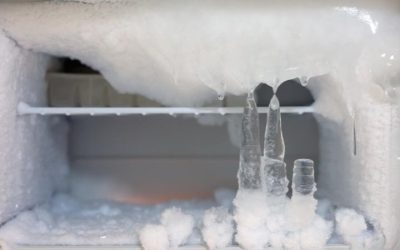
When the tray contains frozen cubes but none reach the bucket, the rake, release mechanism, or bucket-level sensor may be blocked or faulty. GE Appliances’ Not Producing Ice article says an obstructed ice-mold rake can stop a cycle and cautions that the mold may be hot. In another failure pattern, a fill tube freezes shut and the mold receives no water; a drip from a damaged inlet valve can contribute to repeated refreezing.
Do not chip ice from the mold with a knife, force the ejector fingers, or use boiling water near electrical parts. Whirlpool recommends professional help for an internal frozen inlet tube, even though warm water or air can sometimes thaw it. A recurring obstruction after the visible ice is removed is evidence of an underlying problem, not a reason to keep restarting the mechanism.
How to Troubleshoot an Ice Maker Step by Step
Work from what you can see without tools to checks that require a replacement part. The sequence below applies primarily to a refrigerator’s built-in automatic ice maker; a countertop machine with a water reservoir has a different fill and cleaning system. Stop at the point where diagnosing the problem would require opening a live panel or removing a connected water valve.
Step 1: Separate No Ice From No Dispensed Ice
Lift out the bin only as your manual directs. If it contains intact ice but the door chute is empty, you have a dispensing problem: check for clumped cubes, a locked panel, a stuck chute flap, or a bin not seated against the drive coupling. Whirlpool separates this condition from no ice production in its official troubleshooting guide; changing a water filter may not help a jammed dispenser.
With an empty bin, note whether the mold is also empty, contains liquid water, or holds solid cubes that will not release. Those observations help a technician distinguish fill trouble from harvest trouble. Remove loose clumps from a removable bucket gently and dry the bucket before reinstalling; never reach into moving gears or an active chute.
Step 2: Check Power, Door Seal, and Temperature
Find the ice-making switch or panel icon using the model manual, turn it on if needed, and confirm the door closes without packages touching the gasket. Put a freezer-rated thermometer on a shelf and check the reading after the compartment has stabilized. The FDA’s food-storage guidance uses 0°F as the freezer target, while GE Appliances recommends 37°F for the fresh-food compartment in its ice-maker troubleshooting article.
Do not keep lowering the control blindly if the temperature is already correct. If the unit is new or was just reconnected, GE says ice-making can require up to 24 hours to start; LG’s September 2026 ice-maker guidance gives a broader first-cube window of 12 hours to 2 days on its supported refrigerators. These are manufacturer-specific expectations, not guarantees for every machine.
Step 3: Trace Accessible Water Supply
Look behind or beside the refrigerator without pulling hard on the line. The water shutoff feeding the appliance should be in its proper open position, and the visible tubing should not be crushed by the cabinet. If your refrigerator uses a refillable tank instead of a plumbed line, confirm the tank contains potable water and is seated as the manual specifies. Keep towels ready if a fitting is already damp.
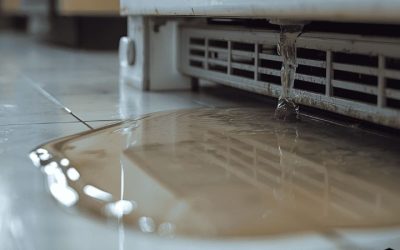
Do not loosen a pressurized connection just to see whether water comes out. If a tube is leaking, turn off the supply at its shutoff and arrange repair. If no water arrives despite an open valve and correctly routed line, a plumbing restriction, a frozen fill tube, or an electrical inlet-valve fault remains possible. A plumber or appliance technician can test pressure and valve operation safely.
Step 4: Inspect the Filter and Restore Normal Flow
Check the service date or filter-change indicator and compare the part number on the cartridge with your refrigerator’s compatibility list. GE Appliances’ XWFE product documentation identifies the XWFE as a replacement for the older XWF in compatible GE family refrigerators, but it does not claim a fit in every GE refrigerator. The same GE product page specifies a 6-month change interval or earlier replacement when water flow noticeably decreases.
Install an approved cartridge according to the owner manual, then follow its stated flushing procedure before expecting steady water delivery. If your model uses no filter, skip this step rather than adding an aftermarket one. Once water flow and freezer temperature are normal, give the ice maker the manufacturer-specified time to refill and cycle; there is no need to keep triggering reset mode.
Step 5: Use Only the Model’s Safe Diagnostic
Some ice makers have a dedicated test or reset button; others do not. LG’s September 2026 help article describes a roughly 3-second test-button press for certain LG mechanisms, while GE documents separate controls for different ice-maker styles. Neither procedure should be copied to another brand or model because a test cycle can move the tray and dispense water unexpectedly.
Follow the exact instructions in your manual and keep fingers away from the ejector and wiring. If a permitted test does not move the mechanism, water never refills, or the same fault quickly returns, stop rather than repeatedly power-cycling or manually turning gears. Photograph the model tag and note whether the bin, mold, water dispenser, and freezer were functioning; this record makes a service call more useful.
Products That Help
The Taylor 5924 Fridge/Freezer Thermometer is a practical first purchase when the control panel shows a temperature setting but not a reliable measured temperature. Taylor’s product page describes a 3-inch dial that can hang or stand inside the compartment, allowing a direct comparison with the FDA’s 0°F freezer guidance. Measure before ordering an ice-making mechanism; a warm freezer is a different repair problem.
The GE XWFE Refrigerator Water Filter is a relevant replacement only for refrigerators that specify XWFE or its documented predecessor XWF. GE’s XWFE product page identifies a 6-month service recommendation and model-specific compatibility. Check the refrigerator model and the current price before buying: a filter will not correct a broken sensor, a shutoff switch left off, or a failed water inlet valve.
When to Call a Pro
Call an appliance technician if your freezer cannot hold its target temperature, the ice maker repeatedly freezes around the fill point, the ejector is motionless during a manufacturer-approved test, or water leaks from the internal valve area. A plumber is appropriate for a defective household shutoff valve or inaccessible supply plumbing. Disconnect the appliance from electricity and close its water supply before any professional work involving internal electrical or water connections.
Do not remove energized covers, jumper terminals, force a hot mold, or open the sealed refrigerant system yourself. If food is also warming, address safe storage immediately rather than waiting for new ice. The FDA advises monitoring appliance thermometers; an ice shortage can be a sign of a broader cooling failure with food-safety consequences.
Frequently Asked Questions
Two refrigerators can stop making ice for very different reasons even when their bins look identical. These answers cover timing, water flow, and model-specific behavior after the basic checks are complete.
Can the Ice Maker Stop While Water Still Dispenses?
Yes. The dispenser and the ice maker can use different controls and flow paths after the common supply, so a working dispenser does not rule out an ice-maker fill valve, frozen fill tube, or harvest fault. Whirlpool’s ice-maker troubleshooting separates water-flow causes from ice-release failures. Record whether the mold is dry or already full of frozen cubes before requesting a replacement part.
How Long After Replacing a Filter Should Ice Return?
The filter itself does not set a universal countdown. The refrigerator may need to clear air from its water supply, refill the mold, freeze the new water, and then eject cubes. GE Appliances’ new-ice-maker instructions explain that early fill cycles may purge trapped air; LG’s September 2026 guidance reports initial ice production can take 12 hours to 2 days after installation. Use your model manual’s interval, and investigate weak flow if the ice maker never refills.
Why Are My New Cubes Tiny or Hollow?
Low fill volume is an important possibility, especially when water dispenses slowly or a filter is overdue. Frigidaire’s official insufficient-ice guidance recommends checking an old filter and a kinked supply line before assuming the whole ice-making unit is defective. Verify the water source, filter seating, and temperature; do not increase inlet pressure beyond the appliance maker’s plumbing requirements.
Should I Replace the Entire Ice Maker?
Not until the freezer is actually cold enough and a technician or model-approved diagnostic confirms the fill and harvest components are faulty. A complete module can be a reasonable repair for some models, while others need only a water valve, sensor, or correctly seated ice bucket. Check the refrigerator model number, warranty terms, part compatibility, and repair estimate before buying a module that may not solve the underlying fault.
Final Thoughts
If the question why is my ice maker not working remains unanswered, your most valuable next step is to preserve the evidence: a measured freezer temperature, a photo of the empty or jammed mold, and the age of the water filter. Use the Taylor 5924 to rule out a cooling issue first; choose the GE XWFE only when your refrigerator explicitly accepts that cartridge. Confirm current prices and compatibility before purchase. If the temperature is correct and a manufacturer-approved cycle still fails, a targeted service diagnosis is more useful than buying a replacement ice maker on speculation.