Rust removal goes wrong in two directions. Too aggressive, and a wire wheel or coarse sandpaper erases the maker’s stamp, rounds the edges of a plane sole, and takes a chisel back out of flat. Too passive, and a quick wipe with oil seals active rust under a film where it keeps pitting. The goal is to dissolve the oxide while leaving the base metal untouched, then seal the surface. Chemical removers do exactly that; abrasives are the last resort, reserved for surfaces that must be flat, such as a plane sole or chisel back.
What You Need
| Item | Why | Optional? |
|---|---|---|
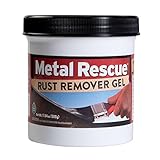
| Chelating rust remover, gel or liquid (Metal Rescue gel, 17.64 fl oz, about $24.20) | Dissolves iron oxide without etching steel, brass, or wood; safe on stamped markings | No, unless using vinegar or electrolysis |
| White vinegar (5 percent acetic acid) | Cheap alternative soak; works in 12 to 24 hours but mildly etches bare steel | Alternative |
| Plastic tub or zip bag sized to the tool | Holds the tool submerged or wrapped in gel | No |
| Nylon brush, brass brush, and 0000 steel wool | Lifts loosened rust; brass and 0000 wool will not scratch hardened steel | No |
| Baking soda | Neutralizes vinegar after soaking | Only with vinegar |
| Degreaser or dish soap | Removes oil and grime so the remover reaches the rust | No |
| Paste wax, camellia oil, or light machine oil | Seals the cleaned surface against new rust | No |
| Nitrile gloves, safety glasses | Removers are skin and eye irritants | No |
| Sandpaper 220 to 600 grit on a flat granite or glass plate | Restores flatness on plane soles and chisel backs only | Yes |
Step-by-Step
Step 1: Disassemble and degrease (15 minutes)
Take the tool apart as far as it will go: remove plane irons and frogs, pull loose wooden handles, unscrew wing nuts. Wash every metal part in warm water with dish soap and scrub with the nylon brush, since removers cannot work through grime. Photograph the assembly for reassembly.
As an Amazon Associate we earn from qualifying purchases at no extra cost to you.
Step 2: Assess what kind of rust you have (5 minutes)
Light surface rust is orange, powdery, and comes off partly with a thumb. Moderate rust is dark and slightly rough. Heavy rust has pits you can feel with a fingernail and may have lifted flakes. Surface and moderate rust respond fully to chemical removal; heavy pitting can be cleaned but the pits remain, and a heavily pitted chisel back or plane sole may not be recoverable to flat.
Step 3: Apply the remover (10 minutes active, 1 to 24 hours waiting)
For liquid chelating removers, submerge the parts in a plastic tub; 1 quart covers a block plane or a handful of chisels. For gel, brush a 1/8 inch layer over the rusted areas and seal the tool in a zip bag so it does not dry out. Chelating products work in 1 to 4 hours on light rust and up to 24 hours on heavy rust, and they do not harm brass, wood, paint, or the etched logo on a saw plate. Vinegar works in 12 to 24 hours but will dull bare steel to a gray matte and can attack brass and japanning; never soak a tool with a wooden handle attached.
Step 4: Scrub and rinse (10 minutes)
Pull the parts and scrub with the brass brush and 0000 steel wool while wet. Rust should slide off as black sludge. Rinse in warm water. If you used vinegar, rinse in a solution of 1 tablespoon baking soda per quart of water to neutralize the acid, then in plain water. Any rust that remains after a second, shorter soak is pitting, not surface oxide.
Step 5: Dry fast and completely (5 minutes)
Freshly cleaned steel flash-rusts within 30 minutes in humid air. Towel every part, then use a hair dryer or a warm oven at 150°F for 10 minutes. Pay attention to threads, screw holes, and the inside of plane bodies where water hides.
Step 6: Flatten only what must be flat (20 to 60 minutes, as needed)
If a plane sole or chisel back needs to be flat for the tool to work, tape 220 grit paper to a granite tile or 1/4 inch glass and lap with even pressure until scratches are uniform, then progress through 320, 400, and 600. Leave the sides, tops, stamped surfaces, and any decorative areas alone; they do not need to be bright to work, and a patina is worth more than a mirror on an old tool.
Step 7: Protect and reassemble (10 minutes)
Wipe every metal surface with camellia oil or a light machine oil, or apply paste wax and buff after 10 minutes. Wax is better on surfaces that touch wood, such as plane soles, because oil transfers to the workpiece. Reassemble using your photo, and put a drop of oil on each screw thread.
Mistakes to Avoid
Wire wheels on a bench grinder, which round edges and erase stamps in seconds. Soaking wooden handles or brass fittings in vinegar. Leaving parts in vinegar for days, which pits steel. Using naval jelly (phosphoric acid) on anything with a maker’s mark; it etches. Sanding a chisel back with the paper on a soft surface, which rounds it. Skipping the neutralize-and-dry step and finding the tool orange again by morning. Sandblasting, which destroys flat surfaces and drives grit into wood.
How Often
Once restored, a tool needs a wipe of oil or wax after every few uses and a fresh coat before any period of storage longer than a month. Inspect stored tools every three months in a humid climate. If you see orange dust returning, the storage spot has a humidity problem; a $15 bag of silica gel or a small dehumidifier rod in the toolbox costs less than another restoration.
When to Call a Pro or Replace
Most hand tools are worth an afternoon and $10 to $25 in remover. Send a tool to a restorer, typically $50 to $150, when it is a collectible with a known maker whose value depends on originality, or when a sole is pitted deeply enough to need machine grinding. Replace when a chisel back is pitted more than 1/2 inch from the edge or a saw plate is kinked; a common-pattern replacement in 2026 often costs less than the remover and sandpaper needed to fix a badly pitted example.
FAQ
Will rust remover damage the maker’s stamp?
Chelating removers will not; they dissolve iron oxide only and leave the base steel and any etching intact. Acids like vinegar and phosphoric jelly can soften an etch over long soaks. Abrasives and wire wheels are what erase stamps.
Can I use a rust remover on a tool with a wooden handle?
Chelating gel can be applied to the metal only, with the handle left out of the bag. Never submerge wood in any remover or vinegar; it soaks up liquid, swells, and cracks as it dries.
Is electrolysis better than chemical removers?
For large or heavily rusted items like a plane body or a vise, electrolysis with a battery charger and washing soda works well and costs almost nothing. For small tools and anything with fine markings, a chelating remover is simpler and just as gentle.
How do I keep tools from rusting again in a garage?
Keep them oiled or waxed, store them in a closed drawer or box rather than on open pegboard, and control humidity below about 55 percent. Vapor-inhibitor paper or capsules in the drawer help in coastal climates.