Winter lawn preparation depends less on the first frost date than on the grass growing in your yard. To learn how to winterize a lawn, identify whether you have cool-season turf such as tall fescue or Kentucky bluegrass, or warm-season turf such as bermudagrass or zoysiagrass. Then adjust mowing, debris removal, watering, soil care, and foot traffic before dormancy. Plan a few short sessions across fall rather than one rushed afternoon; the work is manageable for most homeowners with basic yard tools.
Quick Answer: Keep mowing while grass grows, prevent thick leaf mats, address soil problems early, and water only when the lawn needs it. Aerate and seed cool-season grass during its fall growing window, but avoid late nitrogen on warm-season turf. There is no single fertilizer bag or calendar date that fits every US lawn.
As an Amazon Associate we earn from qualifying purchases.
By DIY Ideas 4 Home Editorial Team
Before You Start: Tools, Materials and Safety
Autumn means active root growth for many northern lawns and approaching dormancy for many southern ones. University of Minnesota Extension reports that cool-season shoot growth favors air temperatures of roughly 55 to 75 degrees F, whereas University of Georgia Extension cautions against stimulating fresh shoots on warm-season turf near frost. Select the work you will actually need before buying seed, fertilizer, or rental equipment.
| Tool or Material | Size or Spec | Why You Need It | Substitute |
|---|---|---|---|
| Mower with a sharp blade | Height adjustable for your turf species | Maintains healthy length until growth stops | Local mowing service |
| Leaf rake or mulching mower | Soft-tine rake or sharp mulching blade | Prevents a wet leaf blanket over grass | Push lawn sweeper for heavy tree cover |
| Soil test kit or lab service | Local cooperative extension instructions | Shows whether lime or nutrients are needed | County extension office collection service |
| Hose and moisture check | Watering based on soil and rainfall | Corrects dry ground before freezing weather | Manual inspection of soil below the turf |
| Core aerator, only if warranted | Hollow-tine machine appropriate to lawn size | Relieves compaction during active growth | Professional aeration service |
| Broadcast spreader, if applying material | Setting matches the exact product label | Distributes seed or approved fertilizer evenly | Hand spreader for small repair areas |
Identify Your Grass Before Scheduling Work
Cool-season lawns commonly contain tall fescue, Kentucky bluegrass, perennial ryegrass, or fine fescues. They typically recover from summer stress during cool fall weather. Warm-season lawns commonly contain bermudagrass, zoysiagrass, centipedegrass, or St. Augustinegrass; these slow down and may turn tan after chilling. A transition-zone home can have either category, so your ZIP code alone is not a reliable identification method.
Look at the seed bag, installation paperwork, or a close-up sample compared with your state extension’s turf identification guide. If a lawn has been overseeded with temporary winter rye, its green winter surface does not mean the underlying warm-season sod wants late-season nitrogen. Treat each grass population according to its seasonal growth cycle.
Check Weather, Soil Moisture, and Ground Conditions
Before using equipment, walk the lawn and mark compacted paths, bare spots, waterlogged areas, and low places where leaves accumulate. A metal screwdriver or soil probe should enter moist soil without excessive force; soil that is sticky and saturated should not be aerated or repeatedly driven over. Plan tasks on a dry, unfrozen surface, especially if the lawn is already thin.
Keep children and pets clear of the mower, and shut off its engine and disconnect its power source before clearing debris or servicing the blade. Avoid dragging heavy equipment across frozen or saturated turf. For fertilizers and herbicides, follow the specific product label and local restrictions; never apply a product simply because it is advertised as a winterizer.
Know When to Skip a Fall Treatment
Not every lawn needs aeration, overseeding, lime, weed control, or a late feeding. A dense, established lawn without compaction may need only routine mowing and surface cleanup. A soil test can reveal whether a nutrient application would help or waste money. University of Georgia Extension’s September 2026 guidance specifically recommends sampling several lawn areas before deciding on lime or fertilizer.
Skip aggressive dethatching or seedbed preparation when the turf is dormant, frozen, soaked, or unlikely to establish before cold weather. Delay major repair of warm-season lawns until active spring or early summer growth when appropriate for the species. If irrigation hardware needs compressed-air blowout, use a qualified professional rather than guessing at pressure limits.
How to Winterize a Lawn Step by Step
Work from actions that protect existing grass to optional projects that improve next spring’s growth. Start with identification and final mowing habits, then solve surface and soil issues while conditions still permit. This order prevents a common mistake: buying fertilizer or renting an aerator before deciding whether the lawn is actually growing or whether its soil needs treatment.
Step 1: Match the Schedule to Active Growth
Write down your grass type, approximate first-frost period, and whether blades are still elongating between mowings. For a northern cool-season lawn, the University of Minnesota Extension lawn care calendar places its strongest seeding window in early August through late September and aeration generally in mid-August through mid-October. These are Minnesota examples, not deadlines for every US climate.
In southern or transition-zone warm-season turf, favor low-impact maintenance as days shorten. University of Georgia’s 2026 fall lawn guidance advises allowing bermudagrass, centipedegrass, and zoysiagrass to slow naturally. If the yard is not growing, stop scheduling growth-promoting treatments and instead monitor moisture, fallen debris, and weeds suitable for the existing turf.
Step 2: Keep Mowing Until the Grass Stops Growing
Continue mowing based on visible growth rather than putting the mower away when the calendar says October. Cut on dry ground with a sharp blade, and avoid removing too much of the leaf blade at once. On northern cool-season turf, University of Minnesota Extension’s November 2025 late-fall guidance recommends a slightly shorter last cut but not below 2 inches to limit matted grass and rodent shelter.
Do not apply the same last-cut height to every warm-season species. Georgia Extension suggests about a 2-inch fall setting for bermudagrass, centipedegrass, and zoysiagrass when a higher seasonal cut suits the site; other turf types and cultivars need different heights. Lawn growth, not a single frost night, decides the last mowing date. Our separate guide on when to stop mowing grass goes into the timing signs in more detail.
Step 3: Keep the Grass Visible Beneath Fallen Leaves
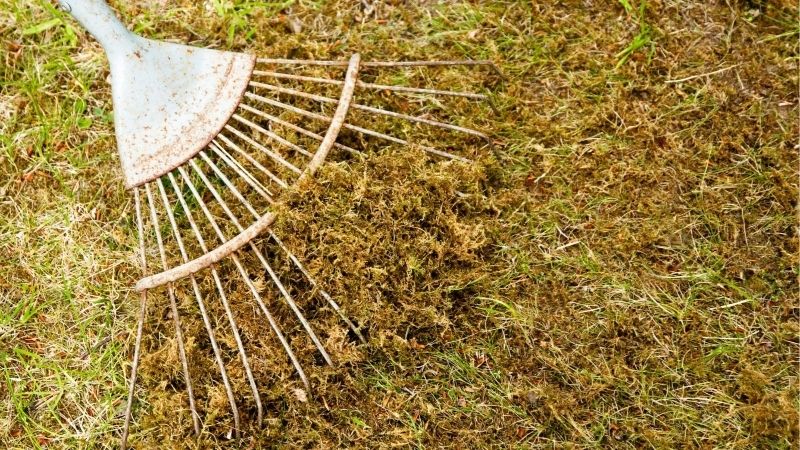
Check beneath trees after windy days and rain. When leaves begin covering the blades in a continuous, damp layer, break them up with a mower or collect the excess with a rake. Penn State Extension’s September 2026 fall garden guidance warns that thick, compacted leaves can smother turf and help create conditions associated with snow mold.
You do not need to strip every small leaf fragment off a healthy lawn. Shredded pieces that filter down between grass blades can return organic matter, but the green canopy should remain visible. Move excessive leaf piles into suitable compost or planting-bed areas. For a full comparison of collection, blowing, and shredding techniques, see our separate guide to removing leaves from a lawn.
Step 4: Decide Whether to Aerate or Repair Bare Spots
Probe compacted spots near gates, play areas, and frequently walked routes. If there is persistent hard soil and cool-season grass is still actively growing, a hollow-tine core aerator may help roots access water and air. University of Minnesota’s lawn calendar favors mid-August through mid-October for its region, when recovery after cultivation is more likely than during winter dormancy.
Overseed cool-season thin patches during the regional establishment window, not as a last-minute gesture on frozen earth. Rake enough to expose soil, select grass seed suited to sun and traffic conditions, and maintain seedbed moisture according to the label. Dormant seeding is a different northern-climate technique: Minnesota Extension explains that seed placed after germination conditions have ended waits for spring rather than sprouting immediately. Avoid routine fall renovation of dormant warm-season sod.
Step 5: Base Fall Feeding on Grass Type and Soil
Read the soil-test report before selecting fertilizer or lime. For cool-season turf in Minnesota, University of Minnesota Extension lists early August through mid-October as its main fall fertilizing window; product labels and local extension guidance still govern actual applications. A late bag labeled winterizer is not automatically better than a correctly timed feeding. Fertilizer selection, nitrogen rate, and site runoff deserve a separate review rather than a guess.
Warm-season grass needs a different decision. Clemson Extension’s Winterizing Lawns factsheet advises against late nitrogen fertilizer on bermudagrass, zoysiagrass, St. Augustinegrass, and centipedegrass because tender fall growth increases cold-injury risk. University of Georgia’s September 2026 advice agrees. If your soil report calls for lime or another amendment, follow local extension timing rather than copying a winterizer label intended for cool-season grass. Do not sweep spilled fertilizer into storm drains.
Step 6: Water Where the Soil Is Dry, Not by Habit
Check actual soil moisture and recent rainfall. If actively growing turf is dry and the ground can absorb water, irrigate enough to reach roots without leaving puddles. Georgia Extension’s warm-season fall guidance discusses about 1 inch of total water per week during the slowdown, but this is a regional active-growth reference, not an instruction to irrigate a frozen or fully dormant lawn every week.
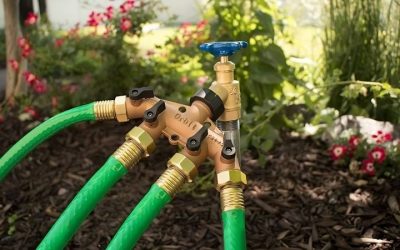
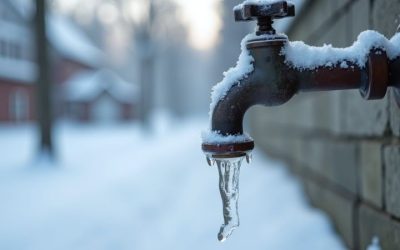
Reduce irrigation as growth and evaporation decline, while watching for unusual late-season drought. Inspect low spots where runoff or standing water has repeatedly damaged grass; avoid repeated watering that leaves roots waterlogged. Before sustained freezing conditions, drain or winterize above-ground hoses and irrigation components according to their manufacturer instructions. This protects the watering system as well as the lawn, and those plumbing steps are separate from turf fertilization.
Step 7: Protect Turf from Winter Wear
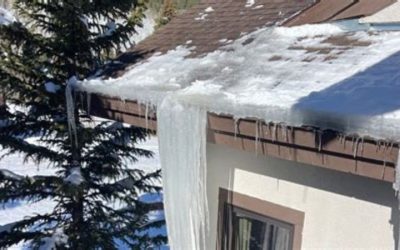
Move portable furniture, toys, and heavy planters that could leave the same grass shaded or crushed for months. When ground freezes or becomes waterlogged, redirect repeated walking and wheelbarrow traffic onto paths. A narrow strip at a driveway edge may suffer most from snow piles and road-salt runoff; use appropriate snow storage space rather than dumping chemically treated snow repeatedly on the turf.
Do not drive a truck or store construction materials on the lawn in late autumn simply because it appears firm. Damage to crowns and compacted soil may not become obvious until spring green-up. In snowy climates, keep a note of recurring snow mold or vole issues so you can distinguish winter damage from fertilizer deficiency when temperatures rise.
Step 8: Make a Final Walkthrough Before Dormancy
Inspect the grass canopy after the final leaves fall, check that rainwater can drain, and photograph bare or damaged patches for comparison in spring. Confirm the mower is cleaned and stored according to its manual, and make sure outdoor water lines are winter-ready. You are finished when the lawn is not buried under wet debris, equipment traffic has stopped, and no unnecessary treatment remains on the calendar.
Wait until active growth resumes in the appropriate season before judging every brown patch as dead grass. Warm-season species naturally lose green color during winter in many regions, while cool-season lawns may retain color under similar conditions. A spring follow-up should address the site-specific problems you documented, not automatically repeat every fall task.
Products That Help
The Scotts Turf Builder EdgeGuard Mini Broadcast Spreader, model 76121B, is useful only if your soil and grass plan actually calls for seed or a labeled granular product. Scotts’ US product page states that its hopper handles up to 5,000 sq ft of Scotts product and its EdgeGuard feature helps prevent spreading onto pavement. Check the settings printed on the specific seed or fertilizer package and compare current retailer pricing before buying; coverage per fill is not the same as lawn area that needs treatment.
For heavier leaf accumulation, the Corona Spring Brace Rake RK 24061 provides a nonpowered alternative to running the mower again. Corona’s product page specifies a 24-inch head, 24 flexible steel tines, and a 54-inch aluminum handle, with a manufacturer-listed price of $39.36 as of October 2026. It helps gather leaves from narrow or uneven spots, but avoid aggressive raking that tears living grass crowns. A rake is unnecessary if light leaf fragments are already mulched into the canopy.
Frequently Asked Questions
Winter lawn maintenance is easiest when optional jobs are separated from necessities. These answers cover situations that can change the plan even after the grass type has been identified.
Should I Use a Winterizer Fertilizer on Every Lawn?
No. A winterizer is a marketing category, not a universal nutrient prescription. Clemson Extension explains that nitrogen-heavy products appropriate to actively growing cool-season turf may be harmful when applied near dormancy to warm-season grass. Match the analysis and application date to your turf species, soil-test results, local restrictions, and product label. A lawn with adequate nutrients may need no purchase at all.
Can I Walk on Grass After the First Frost?
Occasional careful walking is different from regular traffic, but minimize use while blades are frosty or the ground is saturated or thawing. Frost-stiffened foliage can be injured, and repeated steps on soggy soil create compaction. Use a walkway where possible, especially for moving garbage carts or firewood. Once the surface dries and the grass is not frost-covered, normal light use is less concerning.
What If My Lawn Turns Brown Before Winter?
A brown warm-season lawn may simply be dormant, especially after cool nights; color loss does not prove the roots are dead. Clemson Extension describes winter dormancy as normal for species including bermudagrass and zoysiagrass. Look for uneven damage tied to standing water, disease history, or construction traffic rather than applying emergency nitrogen. If color fails to return when your grass normally greens up, request a local extension diagnosis.
Is It Too Late to Plant Grass Seed in November?
For ordinary cool-season establishment in many cold areas, it often is too late to expect seedlings to develop well before winter. University of Minnesota Extension, however, discusses dormant seeding in late fall so seed can wait for favorable spring conditions. That method depends on climate, soil preparation, and seed staying in place. For warm-season sod or seed, a spring-to-summer establishment period is usually the safer starting point; check the species-specific local calendar.
Final Thoughts
When deciding how to winterize a lawn, make the final call based on the lawn’s actual growth and local weather rather than the date printed on a product display. A northern fescue yard may still benefit from timely fall maintenance, while a southern zoysia yard is often better left to enter dormancy without another nitrogen application. Save the soil report, take a photo of troublesome areas, and revisit those observations at spring green-up before spending money on repairs that may not be necessary.