Our Top Picks
 Siasky Universal Bathroom Vent Exhaust Fan Motor Replacement2.55 x 2.36 inch5.7 x 5.7 x 5.9 Inches1.3 PoundsCheck on Amazon
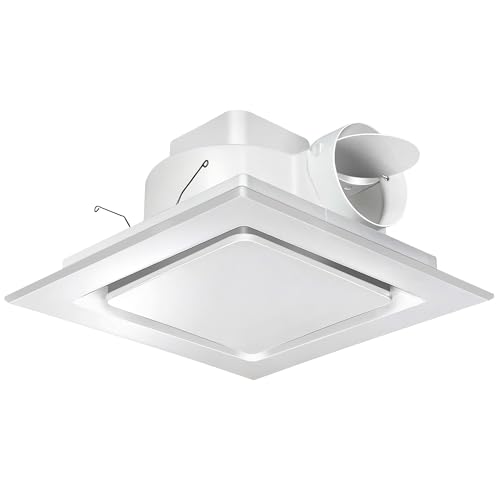 Bathroom Exhaust Fan without Light 10" Panel8in(Hole Size)10 x 10 x 5.5 inches2.8 PoundsCheck on Amazon
The best bathroom exhaust fan for most homes is a quiet unit, ideally near 1.0 sone, whose airflow roughly matches the room, and in this set that points to the 80 to 120 CFM listings from Amico and Gopper. This guide covers nine listings, from a low-cost 50 CFM Broan-NuTone to a two-pack, sorted by what the titles state about airflow, noise, ceiling opening and lighting. One of the nine is not a fan at all, and we say so below.
Nobody here handled these units, so the profiles lean on published titles and general ventilation knowledge. Where a title leaves a gap, you will see a prompt to check the listing.
Top picks at a glance

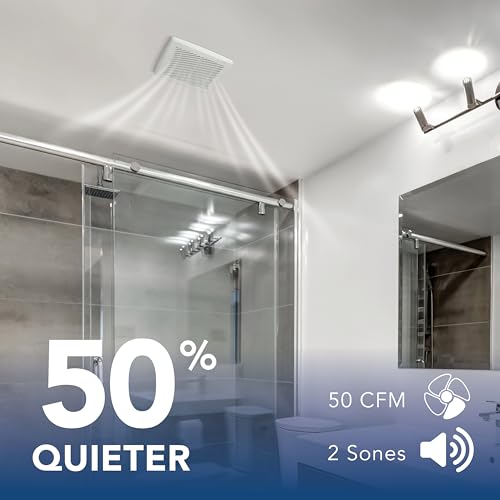
Broan-NuTone Bathroom Exhaust Fan, 50 CFM Modern Grille, Energy Star Fan, 2.0 Sones






As an Amazon Associate we earn from qualifying purchases. Product prices and availability are accurate as of the date/time indicated.

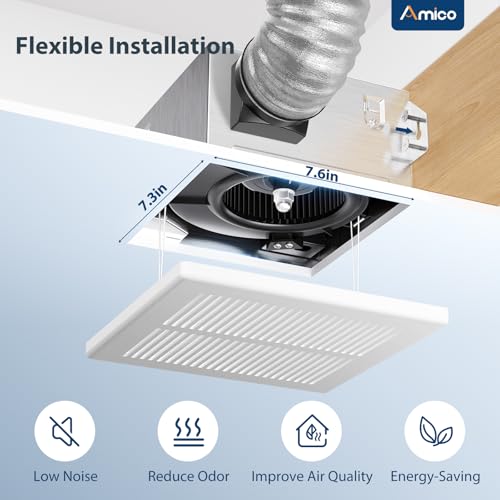
Amico Bathroom Exhaust Fan, 1.0 Sones, 80 CFM, No Attic Access Needed | Low Noise, Ceiling Mounted Retrofit Ventilation Fans, 4 Inch Duct, 7.6''x7.3'' Ceiling Opening, Modern Grille, UL Certified





As an Amazon Associate we earn from qualifying purchases. Product prices and availability are accurate as of the date/time indicated.

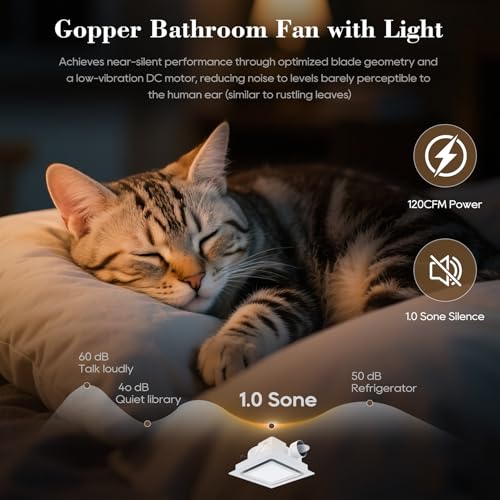
Gopper Ultra Quiet Bathroom Exhaust Fan with Light, 120 CFM, 1.0 Sones | 1000 Lumens LED Light, Easy Installation, Energy-Efficient Design, 10" × 10" Ceiling Mount



As an Amazon Associate we earn from qualifying purchases. Product prices and availability are accurate as of the date/time indicated.
Siasky Universal Bathroom Vent Exhaust Fan Motor Replacement Motors Kit, Fit for Nu-Tone Br-oan Exhaust Vent Fan Motor 120V 50CFM, with Blower Wheel


As an Amazon Associate we earn from qualifying purchases. Product prices and availability are accurate as of the date/time indicated.

Amico Bathroom Exhaust Fan 2 Pack, 80 CFM, 1.0 Sones - UL Certified | Low Noise, Ceiling Mounted Retrofit Ventilation Fans, No Attic Access Needed, 4 Inch Duct, Ceiling Opening 7.6''x7.3''


As an Amazon Associate we earn from qualifying purchases. Product prices and availability are accurate as of the date/time indicated.
Bathroom Exhaust Fan without Light 10" Panel | Ultra Quiet without Light(8x8 Mount), 110CFM, 4" Duct for Bathroom/Garage/Home


As an Amazon Associate we earn from qualifying purchases. Product prices and availability are accurate as of the date/time indicated.
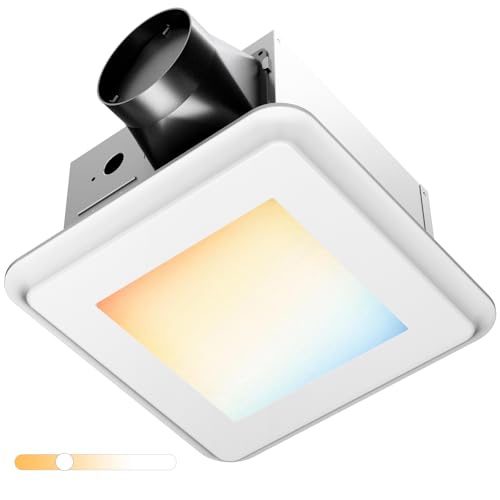
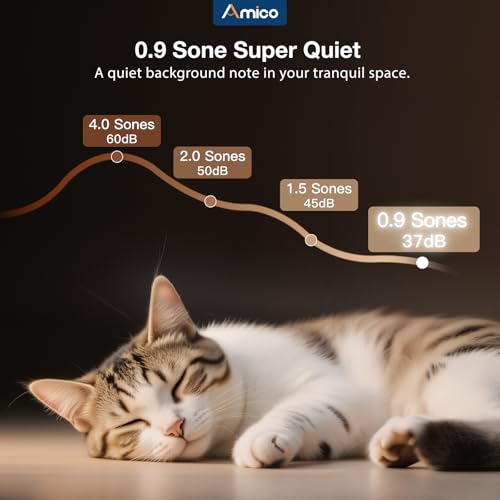
Amico Bathroom Exhaust Fan with Light, 80 CFM, 0.9 Sones, 1000LM, 5CCT | Easy Install, Ceiling Opening 8.8'' x 8.8'', Ceiling Mount Shower Bathroom Fan, Household Ventilation Fan, ETL & FCC




As an Amazon Associate we earn from qualifying purchases. Product prices and availability are accurate as of the date/time indicated.

Broan-NuTone Bathroom Exhaust Fan with LED light – Easy Retrofit Without Attic Access, Quiet 1.5 Sones, Effective Ventilation at 80 CFM ENERGY STAR Certified Moisture and Odor Control


As an Amazon Associate we earn from qualifying purchases. Product prices and availability are accurate as of the date/time indicated.

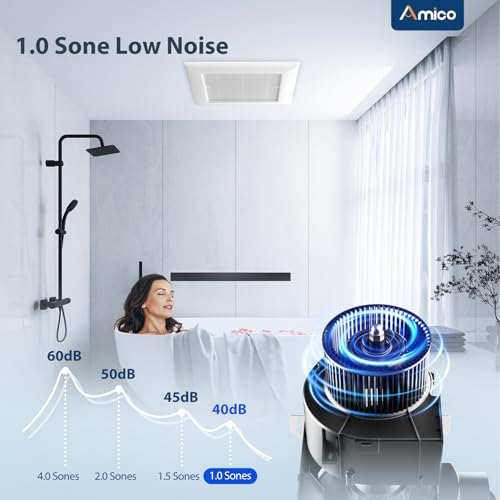
Amico Bathroom Exhaust Fan, 110 CFM, 1.0 Sones, Low Noise, ETL & FCC | Ceiling Opening 9.4 ''x 9.4'', Household Bath Ventilation Fans, Ceiling Mounted, No Attic Access Needed




As an Amazon Associate we earn from qualifying purchases. Product prices and availability are accurate as of the date/time indicated.
| Model | Key point from title | Price tier | Best for |
|---|---|---|---|
| Broan-NuTone 50 CFM | 2.0 sones, modern grille, Energy Star | Budget | Small baths where noise matters less |
| Amico 80 CFM, 1.0 sone | 4 inch duct, 7.6 x 7.3 inch opening, UL | Mid-range | Tight retrofit openings |
| Gopper 120 CFM with light | 1.0 sone, 1000 lumens, 10 x 10 inch mount | Premium | Larger baths wanting light and airflow |
| Siasky motor kit | Replacement motor with blower wheel, not a fan | Budget | Repairing a compatible old Broan-NuTone |
| Amico 80 CFM 2-pack | Two fans, 1.0 sone, same small opening | Premium | Two bathrooms, one purchase |
| Orsong 110 CFM no light | 8 x 8 mount, 4 inch duct, quiet claim | Budget | Garages and light-free baths |
| Amico 80 CFM with light | 0.9 sone, 1000 lm, 5 color settings | Mid-range | Replacing fan and light together |
| Broan-NuTone 80 CFM LED | 1.5 sones, Energy Star, no attic access | Premium | Brand-name retrofit with light |
| Amico 110 CFM, 1.0 sone | 9.4 x 9.4 inch opening, ETL and FCC | Mid-range | Mid-size baths needing more airflow |
Where bathroom ventilation is heading
The listings here show a few broad patterns, offered as general observations. Quiet operation has become the main marketing line: sone ratings of 1.0 or below appear in most titles, where older builder-grade fans were often much louder. Fans with built-in LED lighting and selectable color temperature are now common at modest prices, replacing the separate dome light.
Retrofit design is the second pattern. Many titles stress that no attic access is needed, because homeowners increasingly swap fans without opening a ceiling, and manufacturers build housings sized to match older cutouts. The catch is that cutouts vary, so a claim of easy installation depends entirely on your existing hole.
Third, certification marks such as UL, ETL and Energy Star are listed more prominently. They signal that a product met a particular safety or efficiency program, but they do not tell you how quiet or effective it is in your layout. Treat them as a baseline, then compare airflow, noise and fit.
How we picked these
We compared the listings using their published titles and general knowledge of ventilation fans, looking at airflow, sone rating, duct size, ceiling opening, lighting and certification marks. We noted where a title was vague, mismatched or off-type. Nobody on the team used or measured these units. Prices appear only as relative tiers, and anything the title does not state is flagged for you to check on the listing.
The nine listings, one by one
Broan-NuTone 50 CFM Bathroom Exhaust Fan, 2.0 Sones
This is the smallest-capacity fan in the group. The title lists 50 CFM, 2.0 sones, a modern grille and Energy Star certification. It is a plain ceiling fan with no light named.
At 50 CFM, it fits the traditional minimum for a small bath or a powder room. The 2.0 sone figure is the loudest in the set, so you would notice it in a quiet house. For a half bath that sees brief use, that may be acceptable. For a family bathroom with long showers, it is likely underpowered and noisy at once.
Picture a hall powder room: a quick flip of the switch, a few minutes of running and little humidity to remove. That is where a basic fan like this makes sense.
- Pro: lowest-capacity, low-cost brand-name option.
- Pro: Energy Star mentioned in the title.
- Con: 2.0 sones is the loudest rating here.
- Con: no light, size or duct details in the title.
Check the housing dimensions, duct size and whether installation needs attic access. Ask yourself: is my bathroom really small enough for 50 CFM?
Amico Bathroom Exhaust Fan, 80 CFM, 1.0 Sones, 4 Inch Duct
Amico describes this as a low-noise, ceiling-mounted retrofit fan that needs no attic access, with a 4 inch duct connection, a 7.6 by 7.3 inch ceiling opening, a modern grille and UL certification.
The small opening is the interesting feature. It can suit older bathrooms with compact cutouts, where larger fans simply will not drop in. The 80 CFM rating covers a bathroom of about 80 square feet by the common one-CFM-per-square-foot guideline. It has no light, so you would keep your existing fixture.
Think of a 1980s bathroom with a rattling builder fan and a small square hole. Measuring that hole against 7.6 by 7.3 inches is the deciding step, and this listing is one of the few that gives the numbers up front.
- Pro: compact opening dimensions stated clearly.
- Pro: 1.0 sone and 80 CFM balance noise and airflow.
- Con: no light.
- Con: the grille and housing materials are not described.
Check the ceiling thickness range and whether the existing duct matches 4 inches. A useful question: does my cutout allow a retrofit from below?
Gopper Ultra Quiet Bathroom Exhaust Fan with Light, 120 CFM, 1.0 Sones
Gopper offers the highest airflow here at 120 CFM, paired with 1.0 sone, a 1000-lumen LED light, a 10 by 10 inch ceiling mount, and the promise of easy installation and energy-efficient design.
The power makes sense for a master bath, a bathroom with a separate toilet room, or one with high ceilings, where airflow gets diluted. The 1000-lumen light is bright enough to replace a small overhead fixture in many bathrooms. The 10 inch panel is bigger than the Amico retrofits, so it may need a larger cutout.
Imagine a primary bathroom with a walk-in shower where steam lingers on the glass. More CFM, combined with a quiet rating, means you are more likely to leave it running long enough to clear the room.
- Pro: highest airflow in the set with a 1.0 sone claim.
- Pro: integrated 1000-lumen LED light.
- Con: larger panel may not fit older cutouts.
- Con: duct size and wet-location rating are not in the title.
Check duct diameter, color temperature and whether the light and fan switch separately. Ask: is my duct run short enough for 120 CFM to matter?
Siasky Universal Bathroom Vent Fan Motor Replacement Kit
This one is off-type: it is a replacement motor kit with blower wheel, not a complete exhaust fan. The title says it fits Nu-Tone and Broan fans at 120V and 50 CFM, and the brand name is garbled in the text (“Br-oan”), which is a reason to read the compatibility notes closely.
A repair kit can make sense if you already own a compatible fan housing and only the motor has failed. It is not a substitute for a new fan, and it will not add light, quieter operation or better airflow. If your existing fan is decades old, a new unit may be a better use of the money.
A typical use is a noisy old 50 CFM fan with a worn motor in a basement bath. Replacing the motor can extend its life, provided the model matches.
- Pro: lowest cost in the set.
- Pro: avoids a ceiling cut if your housing is sound.
- Con: not a complete fan.
- Con: compatibility depends on your exact model number.
Check your fan’s model number against the compatibility list, and have power cut at the breaker before any repair. Wiring work belongs with a qualified electrician who follows the manufacturer’s instructions and local codes.
Amico Bathroom Exhaust Fan 2 Pack, 80 CFM, 1.0 Sones
This is the same class as the single 80 CFM Amico, sold as two fans. The title lists 1.0 sone, UL certification, a 4 inch duct, a 7.6 by 7.3 inch ceiling opening, a modern grille and no attic access needed.
The price tier looks high because you receive two units, so compare it per fan against the single listing. It makes sense when you are updating two bathrooms in the same house, or want a spare. It is a worse choice if you only need one, since the single listing sits in the middle tier.
A two-bath home built in the same era often has matching fan openings, so one set of dimensions may cover both rooms. That is the scenario where a pack earns its keep.
- Pro: two fans from one order.
- Pro: same compact opening and quiet rating as the single.
- Con: no light in either unit.
- Con: pointless if you need only one.
Check that both bathrooms have matching cutouts and duct sizes. The question to ask: would one single-fan listing cost less than half of this pack?
Orsong Bathroom Exhaust Fan without Light, 110 CFM, 4 Inch Duct
The title for this fan is somewhat confusing. It mentions a 10 inch panel and an 8 by 8 inch mount, 110 CFM, a 4 inch duct and use in bathrooms, garages and homes, with an ultra-quiet claim but no sone number.
The mixed dimensions mean you must confirm whether the 10 inch figure is the visible panel and the 8 by 8 the cutout. The missing sone rating makes the quiet claim hard to compare with the rest. The airflow is strong for the price tier, so it could suit a utility bath or garage.
A garage bath or workshop washroom is a plausible home for it, where lighting is separate and a noise number matters less than moving air.
- Pro: 110 CFM at a budget tier.
- Pro: no light means a simpler unit.
- Con: no sone rating despite the quiet claim.
- Con: ambiguous panel versus mount dimensions.
Check the sone figure, certification marks and cutout size. Ask: what does ultra quiet actually mean in sones?
Amico Bathroom Exhaust Fan with Light, 80 CFM, 0.9 Sones, 1000LM, 5CCT
This Amico pairs 80 CFM with 0.9 sone, a 1000-lumen light, five selectable color temperatures, an 8.8 by 8.8 inch opening, ETL and FCC marks, and easy installation.
The 0.9 sone figure is the lowest claim in the set. The five color temperature settings let you move from warm to cool light, which many people like for grooming. It is a combined fan and light, so it could replace both fixtures with a single cutout.
Consider a small bathroom where a dated dome light and a loud fan share one ceiling. Swapping in a single quiet unit with adjustable color tidies things up, provided the new opening matches.
- Pro: quietest claim and an adjustable light.
- Pro: 80 CFM suits modest rooms.
- Con: 8.8 inch opening is larger than the small Amico retrofits.
- Con: duct size is not in the title.
Check duct diameter, the switch layout and the grille design. A worthwhile question: do I want one switch or two for fan and light?
Broan-NuTone Bathroom Exhaust Fan with LED Light, 80 CFM, 1.5 Sones
The second Broan-NuTone adds a LED light, 80 CFM, 1.5 sones and Energy Star certification. The title also claims easy retrofit without attic access and moisture and odor control.
This is the brand-name pick, and the price tier reflects that. At 1.5 sones it is noisier than the Amico and Gopper listings, so you are paying for the name and the retrofit design, not a quieter fan. Some buyers prefer a familiar brand for warranty or parts reasons, which the title does not detail.
It makes sense for someone replacing an old Broan unit who wants a similar look and a light, and who values a recognized name.
- Pro: recognizable brand with Energy Star.
- Pro: integrated LED light.
- Con: 1.5 sones is louder than several competitors.
- Con: higher tier than similar-airflow rivals.
Check the warranty, cutout size and light color. Ask: does the brand premium matter to me more than a lower sone rating?
Amico Bathroom Exhaust Fan, 110 CFM, 1.0 Sones, Ceiling Opening 9.4 x 9.4 Inches
The final listing is a 110 CFM Amico with 1.0 sone, low noise, ETL and FCC marks, a 9.4 by 9.4 inch opening and no attic access needed. There is no light in the title.
It fills the gap between the 80 CFM models and the 120 CFM Gopper. The opening is the largest Amico size here, so it suits bigger housings. With the mid-range tier, it is an easy choice for a medium bath that needs more airflow without a light.
For a 100-square-foot bathroom with a window that stays shut in winter, the extra capacity helps keep humidity under control.
- Pro: 110 CFM at a mid-range tier.
- Pro: 1.0 sone and certification marks.
- Con: no light.
- Con: duct size not stated.
Check the duct diameter and housing depth against your joists. The question: will a 9.4 inch opening fit what I have?
How to size and choose a bathroom exhaust fan
Start with airflow
CFM measures cubic feet of air moved per minute. A widely cited guideline is about 1 CFM per square foot for bathrooms up to roughly 100 square feet, with 50 CFM as a floor. Larger rooms are often sized by fixture count instead, adding a set amount of CFM for each toilet, tub or shower. Local codes may set a minimum, so check them before you buy.
Then check noise
Sones measure loudness, and the scale is not linear to the ear, though lower is quieter. A fan near 1.0 sone is often described as barely noticeable. A quiet fan gets used, and a loud fan gets switched off early, which defeats the purpose.
Match the opening and duct
Retrofit success depends on the ceiling cutout and the duct diameter, usually 3 or 4 inches. Measure the existing hole, the joist depth and the duct before comparing listings. A great airflow rating is useless if the housing will not fit.
Decide on light and controls
Combo fans save a cutout, but a failed light can mean servicing the unit. Timer or humidity-sensor switches help you run the fan long enough. None of these listings mentions one, so assume a plain switch unless the listing says otherwise.
Ducts, caps and run time
The duct matters nearly as much as the fan. Short, straight runs of smooth rigid or semi-rigid duct move air far better than long flexible tubes with sags and bends, and the termination cap should be the one that fits your wall or roof. Insulating a duct through a cold attic helps stop condensation from forming inside it. Plan on running the fan during the shower and for a while afterward, and consider a timer switch so you do not rely on remembering. If the room still holds moisture, the fan, the duct or the habit needs adjusting before you assume you need a bigger unit.
Safety and installation
A fan above a tub or shower needs a suitable rating for that location, which you should confirm on the listing and in the manual. Wiring, circuits and ducting should follow the manufacturer’s instructions and local codes, and electrical work is best done by a qualified electrician. Always switch off the breaker first.
| Spec concept | What to look for | Why it matters |
|---|---|---|
| CFM | About 1 per square foot, minimum 50 | Too little leaves humidity behind |
| Sones | 1.0 or lower for living-area baths | Quiet fans get used longer |
| Duct size | 3 or 4 inch, match the existing run | Undersized ducts cut real airflow |
| Ceiling opening | Measured against your hole | Decides if a retrofit works |
| Certification | UL, ETL or Energy Star marks | Safety or efficiency baseline only |
Worked example
Assume a 6 by 9 foot bathroom with an 8 foot ceiling, one shower and a short 4 inch duct to an exterior wall. Floor area is 54 square feet, so the guideline suggests about 54 CFM, rounded up to 80 for margin. The existing ceiling opening measures 7.5 by 7.5 inches. That points to a quiet 80 CFM retrofit with a compact cutout, such as the small Amico, while the 120 CFM Gopper would be oversized and may not fit. If the light is also failing, the combined 80 CFM Amico with a light needs an 8.8 inch opening and may require enlarging the hole. These figures are our own estimates built on stated assumptions, so check your own measurements.
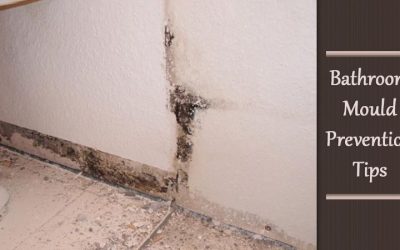
For related help, see our guide to preventing mold in a bathroom and the explanation of stopping mirror fogging, both of which depend on a fan that actually runs long enough.
Mistakes buyers make
The most frequent mistake is buying on CFM alone. A 120 CFM fan on a long, twisting duct may move far less air than the headline suggests, and a loud one will often be switched off.
Another is ignoring the cutout. Retrofit means different things on different listings, and a housing that is even half an inch too large turns a one-hour swap into a drywall repair. Measure first.
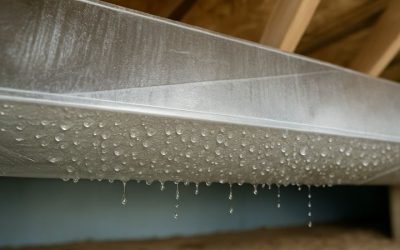
People also vent into the attic, which dumps moist air where it can feed mold. The duct should reach the outdoors. If condensation drips back from the duct, see why a bathroom fan drips water.
A final trap is mixing up parts and products. The motor kit in this group is a repair part, and similar listings are easy to confuse with complete fans. Read the title twice before ordering.
Lastly, some buyers choose a fan by price and then discover the grille, trim ring or light module is hard to clean. Dust on the grille quietly cuts airflow over the months, so look for a design with a removable grille and clean it a few times a year following the manual. A fan that is simple to maintain tends to stay quiet and effective for longer than one that is left alone.
Verdict by use case
For small, older openings, the 80 CFM Amico is the logical start, and the two-pack suits a two-bath update. For a mid-size bath, the 110 CFM Amico is the balanced choice. For a large bath or one that needs lighting, the Gopper offers the most airflow, while the Amico 0.9 sone model offers the quietest claim. For a brand-name retrofit, the Broan-NuTone LED is the listing, with the trade-off of a louder rating. The 50 CFM Broan-NuTone fits only a powder room, and the Orsong is a garage or utility option pending a sone rating. The Siasky kit is for repairs only, and only after you confirm the model match. If you are torn between two similar Amico listings, let the cutout measurement decide, because fit usually matters more than a small difference in CFM or sones. For ceiling light and fan combos, you can also browse bathroom ceiling fans with light.
Bathroom exhaust fan questions
How many CFM does my bathroom need?
A common rule of thumb is about 1 CFM per square foot of floor area for bathrooms up to roughly 100 square feet, with 50 CFM as a typical floor. A 5 by 8 foot bath is 40 square feet, so 50 CFM meets the guideline, while an 8 by 10 foot room points to about 80. Long or twisting duct runs reduce real airflow, so many people size up. Check your local code for the required minimum.
What does a sone rating tell me?
Sones are a loudness scale used for ventilation fans, and a lower number means a quieter fan. Around 1.0 sone is often described as a quiet hum, while 2.0 is noticeably louder in a small room. The figure is measured by the maker under standard conditions, so a fan installed on a long, bent duct may sound different. Treat the listed number as a comparison tool, not a guarantee.
Can I replace a fan without going into the attic?
Some retrofit models are designed to install from below, through the existing ceiling opening, which is what titles mean by no attic access needed. They only work if the new housing fits the old hole and the existing duct and wiring are in sound condition. Measure your opening against the listing. Any wiring should be handled by a qualified electrician following the manufacturer’s instructions and local codes.
Does the fan have to vent outside?
Yes. Venting moist air into an attic, soffit space or wall cavity can feed mold and damage insulation, so the duct should run to the exterior through an appropriate cap, not into an enclosed space. Keep the run short, use the duct size the manufacturer states, and slope or insulate it as local codes advise so condensation does not drain back toward the fan.
How long should I leave the fan running after a shower?
A frequent suggestion is 20 minutes or until the mirror and walls feel dry, though the right time depends on fan power, room size and the weather outside. If the mirror stays foggy, run it longer. A timer switch or humidity sensor can take the guesswork out, but neither is mentioned in these listings, so verify before assuming either one is included.
Is a fan with a built-in light worth it?
It can be, particularly in a small bath with one ceiling opening, because one cut and one run of wiring covers both jobs. The trade-off is that a light failure may mean servicing the whole unit, and the light output and color are only as good as the listing states. Fans without light suit rooms that already have vanity or recessed lighting.