Key takeaways
- Rated capacity with headroom: Buy at least 100 pounds above your weight. Static ratings are measured on a test rig, not on a person who drops into the seat or leans back hard, so that buffer absorbs dynamic loading.
- Base and caster hardware: Look for a steel or heavy aluminum five-star base rather than reinforced nylon, and rubber-coated dual wheels. Rubber rolls quieter on hardwood and won’t chew laminate the way bare hard plastic does.
- Seat construction under the cover: Pocket spring cushions with foam over the top hold their shape far longer than single-density foam alone. If the listing specifies spring count or foam density, that’s a good sign the manufacturer isn’t hiding cheap fill.
- Seat width and depth: Measure your hips seated, then add three inches per side. A 22-inch-wide seat pan sounds generous until armrests intrude on the usable space, so check whether the arms are flip-up or adjustable.
- Cylinder class and tilt mechanism: A Class 4 gas lift is the practical minimum for heavy use. For the tilt, a multi-position lock beats a simple rocker because it lets you set recline tension rather than fight the spring all day.
What's inside
If you’ve ever sat down in a standard task chair and felt the seat pan flex, heard a plastic base creak, or watched a gas cylinder slowly sink over the course of a Tuesday afternoon, you already know the problem. Most office chairs are engineered around a 250-pound occupant, and the failure points are predictable once you start looking for them: nylon bases that spider-crack near the caster sockets, welded-then-painted steel frames with thin gauge tubing, and foam that compresses to a pancake in four months. Weight rating isn’t marketing fluff on these chairs. It’s the difference between a chair that lasts six years and one you’re re-tightening every weekend.
This guide takes a builder’s view of big and tall seating: what the frame is actually made of, how the seat is supported underneath the upholstery, and which adjustments hold their position under real load. I’ve focused on chairs rated from 400 to 750 pounds, covering leather executives, breathable mesh ergonomics, and a couple of recliners with massage and footrest functions for anyone who works long sessions. Below you’ll find current picks, a checklist for evaluating specs before you buy, and honest notes on where each chair earns its rating.
As an Amazon Associate we earn from qualifying purchases.


How to Choose an Office Chair For Heavy Person (2026)
- Rated capacity with headroom: Buy at least 100 pounds above your weight. Static ratings are measured on a test rig, not on a person who drops into the seat or leans back hard, so that buffer absorbs dynamic loading.
- Base and caster hardware: Look for a steel or heavy aluminum five-star base rather than reinforced nylon, and rubber-coated dual wheels. Rubber rolls quieter on hardwood and won’t chew laminate the way bare hard plastic does.
- Seat construction under the cover: Pocket spring cushions with foam over the top hold their shape far longer than single-density foam alone. If the listing specifies spring count or foam density, that’s a good sign the manufacturer isn’t hiding cheap fill.
- Seat width and depth: Measure your hips seated, then add three inches per side. A 22-inch-wide seat pan sounds generous until armrests intrude on the usable space, so check whether the arms are flip-up or adjustable.
- Cylinder class and tilt mechanism: A Class 4 gas lift is the practical minimum for heavy use. For the tilt, a multi-position lock beats a simple rocker because it lets you set recline tension rather than fight the spring all day.
The Best Office Chair For Heavy Person (2026)s Reviewed
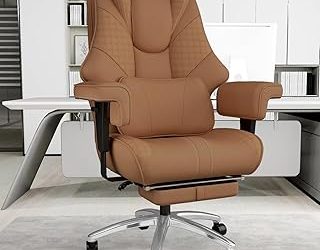
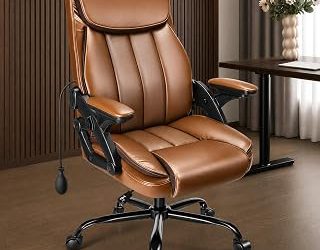
650lbs Big and Tall Executive Leather Chair
This is the well-rounded pick for anyone who wants a traditional padded executive look without worrying about the frame. The 650-pound rating gives most users a real safety margin, and the thick layered padding plus adjustable lumbar block make it genuinely comfortable through a full eight-hour shift rather than just the first two hours.
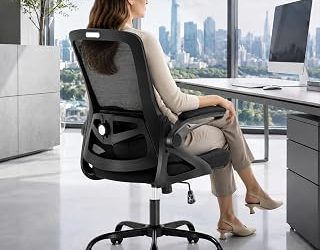
750lbs Mesh Chair with 4D Armrests
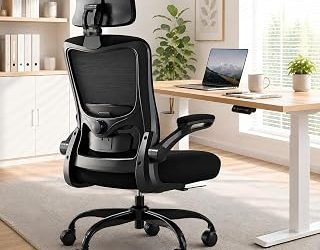
The highest-rated chair here and the one I’d choose for a warm room or a workspace without great airflow, since the mesh back sheds heat that bonded leather traps. The wide, thick seat cushion is the standout feature, and 4D armrests give you height, width, depth, and pivot adjustment, which matters more than it sounds when your shoulders sit wider than average.
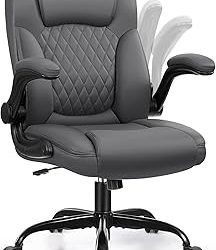
600LBS Heavy Duty Chair with 5D Flip Arms
Flip-up arms are the practical detail here: raise them and you recover several inches of hip clearance, or tuck the chair fully under a desk. Combined with pocket spring cushioning and dual rubber casters, it’s a smart choice for tight home offices where the chair needs to disappear when you’re done.
500lbs High Back Executive with Pocket Springs
A solid entry point if you’re under about 380 pounds and want spring-supported seating rather than plain foam. The quiet rubber wheels and adjustable lumbar support cover the essentials without pushing the price into premium territory.
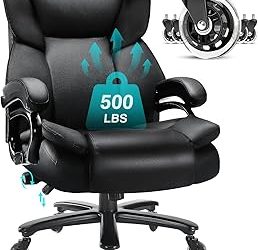
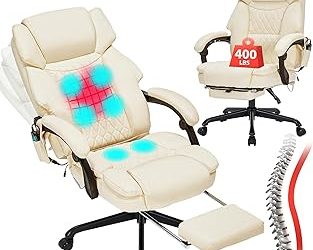
500LBS Massage Chair with Footrest and Heat
The dual-use pillow, retractable footrest, and six-point vibration with heat make this the recliner of the group, better suited to a hybrid work-and-relax setup than a strict productivity station. Treat the massage function as a bonus rather than the reason to buy, and judge it on the same frame and seat criteria as everything else.
Frequently Asked Questions
Is a higher weight rating always better?
Not automatically, but it usually signals better hardware: thicker steel, a stronger cylinder, and a metal base. The tradeoff is bulk and weight, so a 750-pound chair will be harder to move and may feel oversized in a compact room.
Mesh or leather for a heavy user?
Mesh breathes better and won’t crack, but the back panel takes concentrated stress, so check that it’s framed in steel rather than plastic. Bonded leather and PU look sharper and pad more, though they run hot and can peel at wear points after a few years.
How difficult is assembly?
Expect 30 to 45 minutes and plan for a second person on the seat-to-base step, since these chairs weigh 50 to 70 pounds boxed. Bring your own 4mm and 5mm hex keys, torque bolts in a cross pattern, and re-check every fastener after two weeks of use.
What actually fails first on these chairs?
Gas cylinders and casters, in that order. Both are inexpensive standardized replacement parts, so a chair with a strong frame is worth keeping even if the lift eventually sinks.
Final Thoughts
For most buyers, the 650lbs big and tall executive chair hits the best balance of capacity, padding, and price. If you run warm or want the most adjustment, step up to the 750lbs mesh chair with 4D armrests, and if your setup doubles as a place to unwind, the 500LBS massage chair with footrest earns its spot.