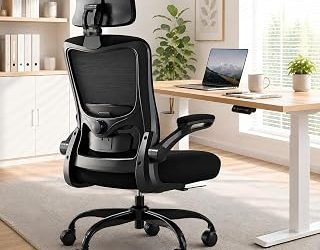
Key takeaways
- Load rating with headroom: Buy at least 100 lbs above your actual weight. Ratings are measured under static load, but real use involves leaning, rocking, and dropping into the seat. A 600 lb chair carrying 280 lbs runs its components well inside their fatigue limits, which is exactly where you want them.
- Base and cylinder hardware: Steel or reinforced alloy bases beat glass-filled nylon every time. Look for a Class 4 gas cylinder and dual-wheel casters, ideally rubber-coated. Dual wheels split the load across two contact points per leg, cutting the stress that shears single-wheel stems.
- Cushion construction over cushion thickness: Pocket spring seats hold their shape far longer than molded foam because each coil rebounds independently instead of relying on the foam’s cell structure. Four to five inches of pocketed springs will outlast six inches of cheap foam handily.
- Seat width and depth math: Measure your hips seated, then add four inches. Most big and tall seats run 21 to 24 inches wide. If you sit cross-legged or shift often, prioritize width. Flip-up arms buy you clearance without giving up support.
- Assembly quality signals: Check whether hardware comes pre-threaded into welded brackets or self-tapping into plastic. Welded steel frames with bolted mechanisms are serviceable. Riveted plastic housings are disposable.
What's inside
If you’ve ever spent a Saturday flipping a chair upside down on a moving blanket, socket wrench in hand, you already know the failure points. It’s rarely the upholstery that gives out. It’s the nylon base cracking at a spoke, the gas lift that sinks two inches every twenty minutes, or the foam that compresses into a hard pancake right under your sit bones. For anyone over 250 pounds putting in eight, ten, twelve hour days at a desk, a standard task chair isn’t undersized by a little. It’s engineered for a completely different load case.
This guide approaches the problem the way a maker would: looking at materials, mechanisms, and how load actually travels through a chair. I’ve broken down what to inspect before you buy, then reviewed five heavy duty seats built for wide frames and long sessions. Weight ratings, seat geometry, cushion construction, and caster hardware all get attention, because those are the parts that decide whether your chair lasts three months or six years.
As an Amazon Associate we earn from qualifying purchases.


How to Choose a Big And Tall Office Chair For Long Hours (2026)
- Load rating with headroom: Buy at least 100 lbs above your actual weight. Ratings are measured under static load, but real use involves leaning, rocking, and dropping into the seat. A 600 lb chair carrying 280 lbs runs its components well inside their fatigue limits, which is exactly where you want them.
- Base and cylinder hardware: Steel or reinforced alloy bases beat glass-filled nylon every time. Look for a Class 4 gas cylinder and dual-wheel casters, ideally rubber-coated. Dual wheels split the load across two contact points per leg, cutting the stress that shears single-wheel stems.
- Cushion construction over cushion thickness: Pocket spring seats hold their shape far longer than molded foam because each coil rebounds independently instead of relying on the foam’s cell structure. Four to five inches of pocketed springs will outlast six inches of cheap foam handily.
- Seat width and depth math: Measure your hips seated, then add four inches. Most big and tall seats run 21 to 24 inches wide. If you sit cross-legged or shift often, prioritize width. Flip-up arms buy you clearance without giving up support.
- Assembly quality signals: Check whether hardware comes pre-threaded into welded brackets or self-tapping into plastic. Welded steel frames with bolted mechanisms are serviceable. Riveted plastic housings are disposable.
The Best Big And Tall Office Chair For Long Hours (2026)s Reviewed
600LBS Heavy Duty Office Chair with 5D Flip Arms
The 600 lb rating and pocket spring cushion make this the most over-engineered pick here, and that’s the point. The 5D adjustable arms pivot, slide, and flip out of the way, and the dual rubber wheels roll quietly on hardwood without the stem wobble you get from single casters.
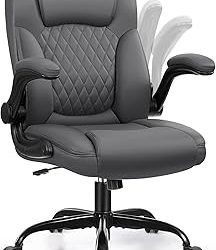
500lbs Big and Tall Office Chair with Adjustable Lumbar
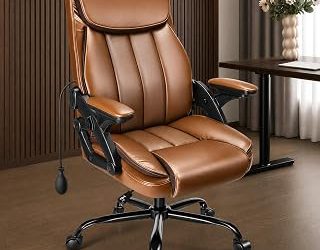
A cleaner, more conventional executive build with a genuinely adjustable lumbar pad rather than a fixed lump of foam. The pocket spring seat and quiet rubber casters make this the balanced middle option if 600 lbs is more chair than you need.
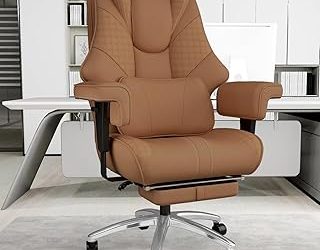
Big and Tall Comfy Office Chair with Foot Rest
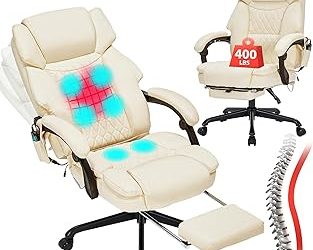
The retractable footrest and deep recline turn this into a legitimate break chair, which matters more than people expect during twelve hour stretches. Extra-wide spring cushion handles cross-legged sitting without the front edge digging into your thighs.
400lbs Heavy Duty Drafting Chair with Footrest Ring
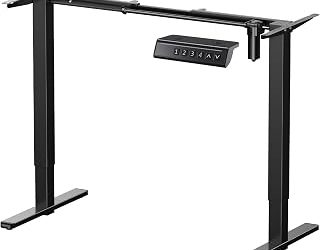
Built for standing desks and workbenches, with a five-inch thickened seat and a height-adjustable foot ring that keeps your legs from dangling. Flip-up armrests let you pull right up to a bench, which is why this one lives in a lot of workshops.
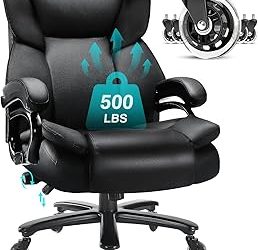
500lbs Extra Wide Executive Chair with Thick Armrest Pads
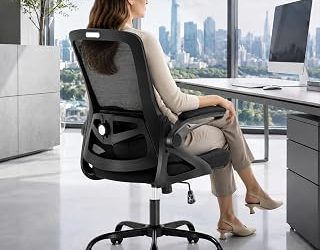
The generous seat pan and padded armrests target pressure points that thinner chairs ignore, and the upgraded wheel and base assembly addresses the most common heavy duty failure point. Strong pick if back pain is your primary complaint.
Frequently Asked Questions
How long should assembly take?
Plan on 30 to 45 minutes solo. Have a second person help seat the gas cylinder into the base, and don’t fully torque the seat plate bolts until every one is threaded and aligned.
Do these chairs work on carpet?
Rubber-coated casters roll well on low-pile carpet. For thick or plush carpet, swap in larger-diameter wheels, which are usually a standard 11mm stem and cost very little.
Will a 600 lb chair feel too firm?
Not necessarily. Pocket springs distribute load rather than resisting it, so a higher-rated seat often feels softer at moderate weight than a stiff foam alternative.
What actually fails first on heavy duty chairs?
Gas cylinders, almost always. They’re a cheap replacement part and a 15-minute repair, so don’t write off an otherwise solid chair over sinking.
Final Thoughts
For most long-haul desk workers, the 600LBS Heavy Duty Office Chair with 5D Flip Arms is the safest structural bet, with the 500lbs Big and Tall Chair with Adjustable Lumbar as the more affordable everyday choice. If you work standing or at a bench, the 400lbs Drafting Chair with its foot ring solves a problem the others don’t touch.