Key takeaways
- Recline mechanism type: Manual tension knobs are field-serviceable and cheap to fix, while dual-motor electric systems give you infinite stop points and independent back/footrest control. Motors add convenience and a failure point, so weigh how often you’ll actually recline past 130°.
- Frame and cylinder rating: Look for a Class 4 gas lift and a steel base rather than nylon if you’re near or above 300 lbs. A 400–450 lb capacity claim should come with a five-star metal base and a welded seat frame, not just thicker padding.
- Cushion construction: Pocket-spring seats hold their shape years longer than single-density foam because each coil carries load independently. Press the front edge hard with your palm on delivery day; if you feel the pan, it’ll bottom out by month six.
- Lumbar geometry, not just lumbar padding: A pillow strapped to a flat back is a band-aid. You want either a contoured backrest that follows your spine or a height-adjustable lumbar block you can dial into your own curve.
- Serviceability: Check whether armrests, casters, and the footrest bolt on with standard hardware. Chairs with accessible fasteners let you swap in rollerblade casters or re-torque a loose joint instead of writing the whole thing off.
What's inside
Every reclining office chair looks great in the listing photos and then tells on itself around week three. The tilt starts drifting, one armrest develops a wobble, and the footrest that felt luxurious on day one now needs a knee shove to retract. Most of that comes down to parts you can’t see in a product shot: the gas cylinder class, whether the tilt mechanism is stamped steel or cast, and how much foam density sits between you and the seat pan. If you’ve ever flipped a chair over with a hex key in hand, you already know the difference between a chair that’s built and a chair that’s assembled.
This guide is written from the underside of the chair up. I’ve broken down what actually determines whether a recliner holds its angle under load, which motorized systems are worth the wiring, and where heavy-duty ratings come from real bracing versus optimistic marketing. Below you’ll find six chairs worth a closer look, followed by a buying framework and answers to the questions that come up once the box is open.
As an Amazon Associate we earn from qualifying purchases.


How to Choose a Reclinable Office Chair (2026)
- Recline mechanism type: Manual tension knobs are field-serviceable and cheap to fix, while dual-motor electric systems give you infinite stop points and independent back/footrest control. Motors add convenience and a failure point, so weigh how often you’ll actually recline past 130°.
- Frame and cylinder rating: Look for a Class 4 gas lift and a steel base rather than nylon if you’re near or above 300 lbs. A 400–450 lb capacity claim should come with a five-star metal base and a welded seat frame, not just thicker padding.
- Cushion construction: Pocket-spring seats hold their shape years longer than single-density foam because each coil carries load independently. Press the front edge hard with your palm on delivery day; if you feel the pan, it’ll bottom out by month six.
- Lumbar geometry, not just lumbar padding: A pillow strapped to a flat back is a band-aid. You want either a contoured backrest that follows your spine or a height-adjustable lumbar block you can dial into your own curve.
- Serviceability: Check whether armrests, casters, and the footrest bolt on with standard hardware. Chairs with accessible fasteners let you swap in rollerblade casters or re-torque a loose joint instead of writing the whole thing off.
The Best Reclinable Office Chairs (2026) Reviewed
Massage Office Chair with Foot Rest (Cream)
This one earns its 400 lb rating with a genuinely broad seat and a heavy base, and the six vibration points plus lumbar heat are more useful than gimmicky on long sessions. The massage motor runs on a simple plug-in controller, so if it ever quits you haven’t lost the chair.
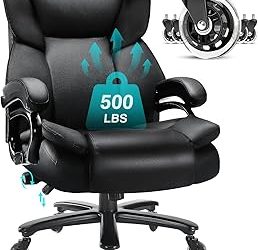
Dual Motor Executive Chair, Big & Tall 450 lbs
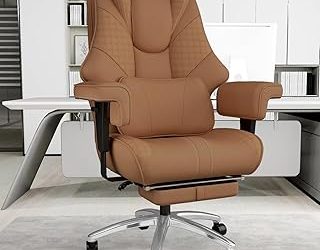
The dual-motor setup is the standout here: back and footrest move independently, so you can find a true 170° zero-gravity position instead of one preset stop. One-touch reset, USB ports, and a 450 lb capacity make this the pick if you want a recliner that doubles as a nap station.
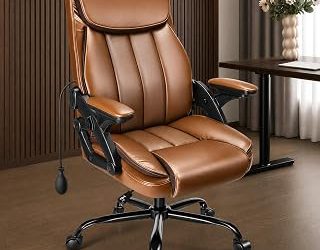
COMHOMA Big and Tall with Embossed Leather
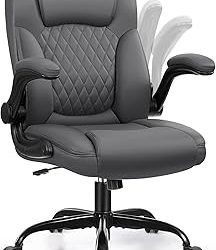
Pocket-spring seat, 150° recline, and adjustable armrests put this ahead of most bonded-leather chairs in its class. The embossing hides scuffs well, and the wide frame gives larger builds room without the pinch points you get from racing-style bolsters.
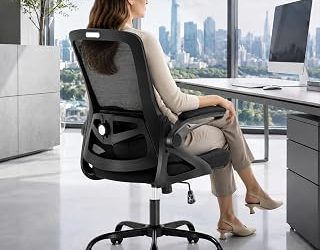
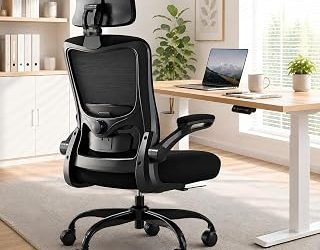
Marsail Ergonomic Mesh Chair
If you run warm or work in a small room, breathable mesh beats padded leather every time, and the 3D flip-up armrests let you tuck the chair under a desk when you’re done. The 2D headrest and reclining tilt cover the ergonomics without the bulk of an executive recliner.
GTPLAYER Big and Tall with Velvet Fabric
Soft velvet over a pocket-spring cushion makes this the most comfortable seat here for lower-back complaints, and the high back with dedicated lumbar support is well shaped rather than just heavily stuffed. The retractable footrest is sturdier than most at this size.
Frequently Asked Questions
How far should an office chair recline?
For working postures, 110–130° is the useful range. Anything past 150° is rest territory, which is great for breaks but means you’ll want a footrest to keep your legs supported.
Are electric recliners worth it over manual tilt?
They’re worth it if you change positions often, since you can stop anywhere without fighting a tension knob. Just confirm the chair has a manual override or accessible motor connection before you commit.
Do pocket-spring cushions really last longer?
Yes. Distributing load across independent coils prevents the permanent compression valley that forms in single-density foam, especially for heavier users.
Can I upgrade the casters myself?
Almost always. Most chairs use an 11 mm grip stem, so a set of rollerblade-style casters pulls out and presses in with nothing more than a firm tug and your body weight.
Final Thoughts
For most buyers, the Dual Motor Executive Chair is the smartest all-round choice thanks to independent back and footrest control and a legitimate 450 lb frame. If you’d rather keep things mechanical and serviceable, the COMHOMA Big and Tall with embossed leather delivers pocket-spring support at a friendlier price, while the Marsail mesh chair is the one to get if airflow and a compact footprint matter more than full-recline lounging.