Our Top Picks
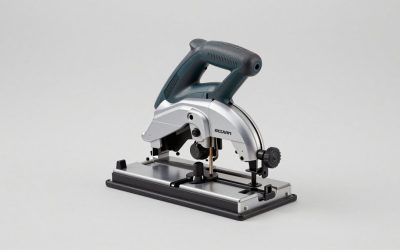
 DEWALT 20V MAX XR Brushless Cordless 7-1/4 in.STANDARD15.35 x 9.4 x 9.6 inches9.88 PoundsCheck on Amazon


If you’re building a tool collection from scratch, a combo kit is almost always the smarter buy. You get a drill, an impact driver, usually a saw, and sometimes a light or multi-tool, all sharing one battery platform. The catch is that combo kits bundle convenience with compromise, and in 2026 the brushless motor is no longer the premium differentiator it used to be. It’s standard across every major brand’s mid-tier and up. The real decisions now are about battery platform, which tools actually belong in the kit, and whether you’re paying for brand loyalty or genuine capability.
Why brushless matters less than you think now
Brushless motors run cooler, last longer, and squeeze more runtime out of the same battery because there’s no brush friction wearing down components. Five years ago that was a meaningful upgrade over brushed tools. Today, brushless is table stakes on anything above entry-level. The question isn’t “brushless or not,” it’s how the brand tunes the motor and battery management. A brushless drill with a weak battery pack will still bog down on a half-inch spade bit in oak. Don’t buy on the brushless label alone; look at torque specs and battery amp-hours.
What actually separates good kits from bad ones
Three things determine whether a combo kit earns its price: battery ecosystem size, tool selection relevance, and chuck/clutch quality on the drill. A kit from a brand with a huge battery ecosystem means you can add a mower, blower, or shop vac later without starting a new platform. Tool selection matters because a lot of kits pad the box with a flashlight or a multi-tool nobody asked for instead of a second battery. And the drill’s chuck and clutch are where cheap kits fail first, chucks that slip under torque, clutches with only a handful of settings that don’t give you fine control on finish work.
If you’re starting fresh, a drill and impact driver combo covers 90% of DIY and renovation work. The drill handles drilling and driving where control matters; the impact driver handles lag bolts, deck screws, and anything that needs raw torque without you muscling it. Search for a brushless drill and impact driver combo kit if that’s your entry point, since most brands price this pairing as the best value in their lineup.
Budget tiers and who they suit
Combo kits roughly split into three price bands, and the jump between them isn’t just more tools, it’s build quality and battery capacity.
| Tier | Typical price | What you get | Best for |
|---|---|---|---|
| Entry | $100–$150 | Drill + impact driver, two 1.5–2.0 Ah batteries, basic charger | First-time homeowners, occasional DIY, apartment fixes |
| Mid-range | $180–$300 | 3–4 tools (drill, impact driver, circular or recip saw, light), 2.0–4.0 Ah batteries | Renovators, deck builders, anyone doing weekend projects regularly |
| Pro/prosumer | $350+ | 4–6 tools, higher-capacity batteries, metal chucks, better vibration control | Tradespeople, serious hobbyists, anyone running tools daily |
Most people shopping for a first kit overbuy. If you’re hanging shelves, assembling furniture, and doing occasional repairs, the entry tier genuinely does the job. The failure mode on cheap kits isn’t the motor dying, it’s the battery sagging under load after a year of charge cycles, and by then a lot of homeowners have realized they don’t drill enough to justify an upgrade anyway. Mid-range is the sweet spot for anyone renovating a room or building outdoor structures, since the included saw actually gets used instead of sitting in the case.
Battery platform is the real commitment
The tools in a combo kit are almost disposable compared to the batteries and chargers. Once you own four or five batteries on one platform, switching brands means buying everything again. This is why it’s worth thinking past the kit in front of you. If a brand’s ecosystem includes outdoor equipment, vacuums, or job site radios you’d actually want, that tips the decision even if a competitor’s kit is $20 cheaper. Check what Ah ratings the included batteries are, too. Kits with two 1.5 Ah batteries look like a deal until you’re swapping batteries mid-project because they drain fast under a drill motor’s draw.
Is the saw in the kit actually worth using
Circular saws and reciprocating saws bundled into combo kits are usually the weakest link. They work, but they’re often lower-powered than a standalone saw at the same price point, because the kit price is built around the drill and driver. If cutting is a big part of your work, plywood sheets, framing, deck boards, it’s worth pricing a standalone saw separately rather than assuming the bundled one will keep up. For framing and deck work specifically, a dedicated brushless circular saw on the same battery platform will outperform almost every saw bundled into a 4-tool kit.
When the cheap kit is the right call
Don’t let anyone talk you into a $400 kit for hanging a few pictures and assembling flat-pack furniture a couple times a year. An entry-level kit with a drill and impact driver covers that completely, and the battery will outlast your patience for home projects. The upgrade only pays off when you’re drilling into masonry regularly, running long screws into joists, or using the tool enough that runtime and chuck durability start to matter. If you’re not sure which camp you’re in, buy entry-level first. You’ll know within a year whether you’ve outgrown it, and by then battery prices will have moved anyway.
For anyone replacing an aging brushed-motor kit from a decade ago, almost any current brushless power tool combo kit will feel like a real upgrade in runtime and weight, regardless of brand, so this is a case where shopping by ecosystem and price matters more than chasing a specific “best” pick.
FAQ
Do I need a brushless drill for basic home repairs?
Not strictly. A brushed drill will still drive screws and drill pilot holes fine. Brushless just gets you longer runtime per charge and a motor that holds up better over years of use. If you’re buying new anyway, brushless kits are priced close enough to brushed that there’s little reason to go brushed now.
How many batteries should a combo kit include?
Two is standard and enough for most users, letting you swap when one runs low. If you’re using tools daily or running a saw heavily, a third battery or higher Ah ratings on the included pair will save you downtime.
Can I mix tools from different brands if they use the same battery voltage?
No, voltage alone doesn’t make batteries compatible. Each brand uses its own connector and communication protocol, so an 18V battery from one brand won’t fit or work safely in another brand’s tool even if the voltage matches.
Is it worth buying a kit with a saw I probably won’t use much?
Only if the price difference between the drill-driver-only kit and the full kit is small. If the saw adds significant cost, skip it and buy a dedicated saw later when you actually need one, since bundled saws are often the weakest tool in the box.