Key takeaways
- Best for sprinklers and spray nozzles: YOUNGTREE 5.5 GPM diaphragm pump (rated up to 70 PSI).
- Best automatic submersible for a barrel or small cistern: Leader Divertron 1000 (35 PSI maximum, built-in dry-run protection).
- Best for high flow into a large tank: RainFlo RF075 (up to 29 GPM) or Grundfos SBA-3-45-A (up to 25 GPM).
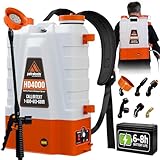
- Best cordless option for remote barrels: SEESII cordless transfer pump (760 GPH, dual 4.0 Ah batteries).
- Best budget submersible for hose and drip filling: FLUENTPOWER 1/2 HP (1,050 GPH, 36 ft of lift, float switch).
- Best compact external pump for a hose-end sprayer: TecHome 1/10 HP (330 GPH, 3/4 inch garden hose thread).
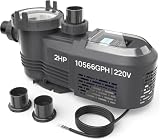
- Best heavy-duty external transfer pump: TOPWAY 1/2 HP cast iron (1,500 GPH).
The best rain barrel pump for most gardens is a plug-in diaphragm pump such as the YOUNGTREE 5.5 GPM when you want real hose pressure, and a self-contained submersible such as the Leader Divertron 1000 when you want automatic, quiet operation and can live with modest pressure. A barrel that sits on the ground with nothing but gravity behind it delivers a trickle, so the pump you pick decides whether you can run a soaker hose, a spray wand or a sprinkler. This guide sorts the main pump designs by what they actually do at the nozzle, explains the numbers on the box, and walks through the math so you can match a pump to your barrel and your hose.
Our top picks


As an Amazon Associate we earn from qualifying purchases at no extra cost to you.
Quick picks by watering job
- Best for sprinklers and spray nozzles: YOUNGTREE 5.5 GPM diaphragm pump (rated up to 70 PSI).
- Best automatic submersible for a barrel or small cistern: Leader Divertron 1000 (35 PSI maximum, built-in dry-run protection).
- Best for high flow into a large tank: RainFlo RF075 (up to 29 GPM) or Grundfos SBA-3-45-A (up to 25 GPM).
- Best cordless option for remote barrels: SEESII cordless transfer pump (760 GPH, dual 4.0 Ah batteries).
- Best budget submersible for hose and drip filling: FLUENTPOWER 1/2 HP (1,050 GPH, 36 ft of lift, float switch).
- Best compact external pump for a hose-end sprayer: TecHome 1/10 HP (330 GPH, 3/4 inch garden hose thread).
- Best heavy-duty external transfer pump: TOPWAY 1/2 HP cast iron (1,500 GPH).
How we chose
This guide is based on published manufacturer specifications and spec comparisons from buying guides, not on our own bench work. We kept pumps whose flow, pressure or lift figures were stated clearly in at least one source, favored models sold in the United States for ordinary household voltage or battery packs, and dropped anything with no stated flow rating. Where a source did not state a figure, such as the pressure of a submersible, we say so and describe the pump by class instead of guessing. Specifications change between production runs, so confirm the figures on the current listing before you buy.
Submersible barrel pump vs external hose pump
Everything starts with this choice. A submersible pump sits inside the barrel, so there is nothing to prime, nothing to hear, and no intake hose to leak air. An external pump sits outside the barrel and draws water through an intake hose, which makes it louder and sometimes fussy to prime, but it can push water much harder.
- Submersibles move a lot of water at low pressure. They are ideal for filling watering cans, buckets and a second tank, feeding a drip system with a pressure regulator, or running a soaker hose. A standard submersible usually does not give enough force to turn an oscillating sprinkler.
- External diaphragm and transfer pumps produce higher pressure. Diaphragm pumps in the 45 to 70 PSI class can drive sprinklers and hose nozzles, though at modest flow.
- Jet pumps sit above ground and are meant for larger setups such as a rainwater tank or cistern; they are overkill for a single 55-gallon barrel.
Understanding the numbers
GPH, GPM and lift
Flow is listed in gallons per hour (GPH) or gallons per minute (GPM). Divide GPH by 60 to get GPM. Lift or head is the height the pump can raise water, and it is the real source of pressure: every 2.31 feet of head equals about 1 PSI. Flow ratings are almost always quoted at zero head, so actual flow at your sprinkler will be lower.
PSI at the nozzle
Most lawn sprinklers and spray nozzles need roughly 20 to 40 PSI to throw water properly, and pop-up or impact heads can need more. Drip emitters want only a few PSI behind a regulator. Always check the minimum pressure printed on the sprinkler, then compare it with the pump’s pressure at the flow you need, not its maximum shutoff pressure.
Power: plug-in vs battery vs solar
Most barrel pumps run on 110 to 120 V household power and need a GFCI-protected outdoor outlet. Cordless transfer pumps with removable battery packs suit barrels far from an outlet, but runtime is limited. Solar-fed setups usually charge a battery that runs a low-voltage pump; the pump itself is still the same class of device.
Run-dry protection
Rain barrels empty. A pump that keeps spinning with no water can overheat and fail. Look for thermal overload protection, a float switch, a dedicated dry-run cutoff, or a diaphragm design that tolerates running dry.
Fittings
Garden hose thread (3/4 inch GHT) is the easiest, because a hose screws on directly. A 1 inch NPT outlet needs an adapter. Make sure the intake side matches your barrel outlet, and use a strainer or mesh sleeve so leaves and grit do not clog the pump.
Comparison table
| Pump | Type | Flow | Pressure or head | Power | Dry-run protection |
|---|---|---|---|---|---|
| Leader Divertron 1000 | Automatic submersible | 25 GPM max | 35 PSI max | 3/4 HP, 115 V | Integrated |
| Grundfos SBA-3-45-A | Automatic submersible | 25 GPM max | Not stated | 115 V | Integrated control |
| RainFlo RF075 | Submersible | 29 GPM max | Not stated | 3/4 HP, 110-120 V | Not stated |
| YOUNGTREE 5.5 GPM | External diaphragm | 330 GPH (5.5 GPM) | Up to 70 PSI | 110 V AC | Dry-run tolerant |
| SEESII cordless | External transfer | 760 GPH | 65 ft of head | Dual 4.0 Ah batteries | Not stated |
| TecHome 1/10 HP | External transfer | 330 GPH | 40 ft lift | 115 V, 60 Hz | Thermal overload |
| FLUENTPOWER 1/2 HP | Submersible | 1,050 GPH | 36 ft lift | 110 V AC | Float switch |
| TOPWAY 1/2 HP | External cast iron | 1,500 GPH | 120 ft of head | 115 V AC | Thermal protection |
Worked example: will this pump run my sprinkler?
Use this step-by-step logic before you buy. Suppose you have a 55-gallon barrel and an impact sprinkler that needs 30 PSI and about 3 GPM.
- Convert the pressure to head. 30 PSI multiplied by 2.31 gives about 69 feet of head needed at the sprinkler. A pump rated for 36 feet of lift, such as the FLUENTPOWER, tops out near 15.6 PSI (36 divided by 2.31), so it cannot meet 30 PSI no matter its flow rating.
- Check the pump’s pressure class. The YOUNGTREE diaphragm pump is rated up to 70 PSI and 5.5 GPM at its maximum, so a 3 GPM demand at 30 PSI sits inside its capability. The SEESII at 65 feet of head is about 28 PSI of head at best, which is borderline for this sprinkler.
- Estimate run time. At 3 GPM, a full 55-gallon barrel lasts about 18 minutes (55 divided by 3). Add a second barrel or a linked tank if you need a 30-minute watering session.
- Subtract losses. A long, thin hose and tight fittings eat pressure. Assume you will lose a few PSI over a typical garden hose run, so choose a pump with some margin above the sprinkler’s stated minimum.
The same logic shows why a submersible with a big flow number is the wrong tool for a sprinkler. A 25 GPM submersible capped at 35 PSI maximum, such as the Leader Divertron, has the pressure for light spray use but will fill a watering can in seconds, which is where it shines. Match the pressure first and the flow second.
Best pumps for sprinklers and spray nozzles
YOUNGTREE 5.5 GPM diaphragm pump
Specs: External diaphragm · 330 GPH (5.5 GPM) · up to 70 PSI · 110 V AC · dry-run tolerant.
Best for: Gardeners who want sprinkler or nozzle pressure from a barrel without stepping up to a jet pump.
Skip if: You need to fill big containers quickly, since 5.5 GPM is modest, or you want a silent pump.
- Pros: High pressure for its size; tolerates running dry; includes garden hose adapters in some packages.
- Cons: Diaphragm pumps pulse and make a buzzing noise; flow drops as you add nozzle restriction.
TecHome 1/10 HP transfer pump
Specs: External transfer · 330 GPH · 40 ft lift · 115 V, 60 Hz · 3/4 inch GHT · thermal overload.
Best for: Hose-end sprayers, light spray wands and moving water between containers.
Skip if: You plan to run a sprinkler that needs more than about 17 PSI of head, which is what 40 feet works out to.
- Pros: Garden hose thread makes hookup quick; small footprint; thermal overload guards the motor.
- Cons: Needs priming and an intake hose; limited pressure compared with a true diaphragm pump.
TOPWAY 1/2 HP cast iron transfer pump
Specs: External cast iron · 1,500 GPH · 120 ft of head · 115 V AC · brass adapters · thermal protection.
Best for: Larger gardens with long hose runs, or several barrels linked to one outlet.
Skip if: You have a single small barrel; this pump is heavy and more than you need.
- Pros: Strong head rating; durable metal body; adapters included.
- Cons: Louder than a submersible; must be primed; heavy to move.
Best submersible pumps for automatic, quiet watering
Leader Divertron 1000
Specs: Automatic submersible · 25 GPM max · 35 PSI max · 3/4 HP, 115 V · 48 ft cord · stainless intake screen · integrated dry-run protection.
Best for: Rainwater setups that want a pump that switches on when you open a tap and shuts off when you close it.
Skip if: You want a very small, cheap pump for a single barrel, because this is a larger, more capable unit.
- Pros: Automatic operation; dry-run protection; long cord; screen helps keep debris out.
- Cons: Pressure is capped at 35 PSI; needs a sizeable tank to be worthwhile.
Grundfos SBA-3-45-A
Specs: Automatic submersible · 25 GPM max · 115 V · integrated control unit.
Best for: Gardeners who want a name-brand automatic submersible for a larger barrel or small cistern.
Skip if: You need published pressure numbers up front; the figure was not stated in the source we used, so confirm it with the manufacturer.
- Pros: Integrated automatic control; strong flow rating.
- Cons: Pressure details not stated here; more costly than basic barrel pumps.
RainFlo RF075
Specs: Submersible · 29 GPM max · 3/4 HP · 110-120 V.
Best for: Large rainwater systems where speed of transfer matters.
Skip if: You have one barrel; this is built for bigger tanks.
- Pros: Highest flow rating in this group; purpose-built for rainwater use.
- Cons: Run-dry protection not stated in our source; pressure not stated.
FLUENTPOWER 1/2 HP
Specs: Submersible · 1,050 GPH · 36 ft lift · 110 V AC · float switch for auto/manual.
Best for: Budget-minded gardeners filling cans, buckets and drip reservoirs from a barrel.
Skip if: You want to power a sprinkler; at roughly 15 PSI of head it will not.
- Pros: Simple; float switch allows automatic operation; strong flow for the size.
- Cons: Low pressure; needs enough water depth for the float to work properly.
Best cordless option
SEESII cordless transfer pump
Specs: External · 760 GPH · 65 ft of head · dual 4.0 Ah batteries · 1 inch connection.
Best for: Barrels far from an outlet, such as at the back of a plot or beside a shed.
Skip if: You water for long sessions; battery runtime is limited and you will need spares.
- Pros: No cord or outlet; good head rating for a battery pump; portable.
- Cons: Run-dry protection not stated; batteries add cost and need charging.
Do the runtime math before buying: a 4.0 Ah pack at, say, 20 V stores about 80 watt-hours. A pump drawing 150 watts empties one pack in about 32 minutes of continuous running, which is roughly two barrels of water. Treat that as an illustration, not a rating, because actual power draw varies with pressure.
Match the pump to the job
| Watering job | Pressure you need | Pump class | Good fit |
|---|---|---|---|
| Fill watering cans and buckets | Almost none | Submersible | FLUENTPOWER 1/2 HP |
| Soaker hose or drip with regulator | Under 15 PSI | Submersible or small transfer | Leader Divertron 1000, TecHome |
| Spray wand or hose-end sprayer | 20 to 35 PSI | Diaphragm or transfer | YOUNGTREE, TOPWAY |
| Oscillating or impact sprinkler | 30 PSI and up | Diaphragm or transfer | YOUNGTREE, TOPWAY |
| Large tank or cistern transfer | Low, high flow | Large submersible | RainFlo RF075, Grundfos SBA-3-45-A |
| No outlet nearby | 20 PSI or so | Cordless transfer | SEESII cordless |
Setup tips that prevent most failures
- Raise the barrel. Putting the barrel on a stand adds gravity head and makes priming easier for external pumps.
- Use a pre-filter. A mesh sleeve or inlet strainer keeps pollen, leaf bits and sediment out of the pump and your emitters.
- Keep the pump above the sludge. Sediment collects at the bottom of the barrel. Set a submersible on a small block so it does not pull from the sediment layer.
- Plug into a GFCI outlet. Water and electricity share this setup. Use an outdoor-rated extension cord, keep connections off the ground, and never handle a plugged-in pump.
- Drain for winter. Freezing water cracks pump housings and diaphragms. Bring pumps indoors or drain them before cold weather.
- Do not use rain barrel water on edible leaves without thought. Roof runoff can carry debris and contaminants, so many gardeners use barrel water for soil-level watering rather than spraying onto produce you will eat raw.
Common mistakes
Buying on flow alone
A big GPM number is tempting, but sprinklers care about pressure. A pump with high flow and low head will fill a bucket fast and still fail to turn a sprinkler head.
Ignoring priming
External pumps need water in the intake line to start. If the pump runs but nothing comes out, check for air leaks at the intake fitting and refill the line before blaming the pump.
Skipping dry-run protection
Barrels run out of water during a long session. Choose a pump with a float switch, thermal cutoff or dry-run design, or you will replace it sooner than you expect.
Frequently asked questions
Can a rain barrel pump run a sprinkler?
Yes, if the pump produces enough pressure. Diaphragm and transfer pumps in the 45 to 70 PSI class can, while most submersibles cannot. Check the sprinkler’s minimum PSI against the pump’s pressure at your flow.
How many PSI do I need for a garden sprinkler?
Most garden sprinklers need roughly 20 to 40 PSI. Check the label on yours. Drip lines need far less, usually a few PSI behind a regulator.
Is a submersible or external pump better for a rain barrel?
Choose a submersible for quiet, low-pressure jobs like filling cans or feeding drip. Choose an external diaphragm or transfer pump when you need sprinkler pressure.
What does GPH mean on a pump?
GPH is gallons per hour at zero head. Divide by 60 for GPM. Real flow at your nozzle is lower because pressure and hose length reduce output.
Do rain barrel pumps need to be primed?
Submersibles do not, because they sit in the water. External pumps usually need the intake line filled with water first, and a leak-free intake hose.
What happens if a pump runs dry?
Running dry can overheat the motor and damage seals. Use a pump with thermal protection, a float switch or a dry-run design, and stop watering before the barrel empties.
Can I use a battery-powered pump with a rain barrel?
Yes. Cordless transfer pumps work well where there is no outlet, though runtime depends on battery capacity and you may need a spare pack for long sessions.
How do I protect a rain barrel pump in winter?
Drain the pump and hoses before the first hard freeze and store the pump indoors. Ice can crack housings, diaphragms and fittings.
Bottom line
Decide the job first. If you need pressure for a sprinkler or spray nozzle, buy a diaphragm or transfer pump such as the YOUNGTREE 5.5 GPM or the TOPWAY 1/2 HP. If you need quiet, automatic filling of cans and tanks, a submersible such as the Leader Divertron 1000 or the budget FLUENTPOWER 1/2 HP fits. For large tanks, the RainFlo RF075 and Grundfos SBA-3-45-A move water quickly, and the SEESII cordless pump covers barrels with no power nearby. Do the head and runtime math once, add a strainer, and your barrel becomes a dependable watering source.