Key takeaways
- Seat depth: Aim for 19 to 21 inches. Sit back fully — if there’s more than a fist of gap behind your knees, the chair is too deep and your spine will hunch to compensate.
- Seat height: Look for 17 to 19 inches from floor to cushion top. Measure your own knee-crease-to-floor distance in shoes and match it; anything taller leaves your feet unsupported and cuts circulation behind the thighs.
- Lumbar placement: The support bulge should hit 6 to 8 inches above the seat. Chairs marketed for tall users often place it higher, which turns into a mid-back push instead of a lower-back cradle.
- Wall clearance and footprint: Zero-wall or push-back designs recline within a few inches of the wall. Traditional mechanisms want 12 to 18 inches behind them, so chalk the arc on your floor before ordering.
- Assembly reality: Interlocking back panels and no-tool brackets mean one person can build the chair. Powered models add a transformer box and cable routing, so plan an outlet within six feet and check whether the box tucks inside the frame.
What's inside
If you’re under about 5’4″, most recliners feel like furniture built for someone else. The seat depth pushes your knees forward so your lower back never touches the lumbar curve, your feet dangle above the footrest, and the headrest lands somewhere between your shoulder blades. I’ve spent enough time under chairs with a tape measure and a socket wrench to know the problem isn’t padding — it’s geometry. Seat depth over 21 inches and seat height over 19 inches are the two numbers that quietly ruin the fit, and almost no product page leads with them.
This guide takes a maker’s approach: measure first, then buy. Below you’ll find compact recliners that genuinely suit petite frames, chosen for shorter seat depth, lower seat height, and lumbar support that actually sits where your lumbar spine is. I’ve flagged which models need wall clearance, which arrive as one-piece assemblies you can wrestle upstairs alone, and which use no-tool interlocking backs that go together in ten minutes on a living room floor.
As an Amazon Associate we earn from qualifying purchases.


🛒 Best Price Today on Amazon
Prime members get fast, free shipping on everything above, plus member-only deals. New members get a 30-day free trial — cancel anytime.
How to Choose a/an Recliner For Small Person (2026)
- Seat depth: Aim for 19 to 21 inches. Sit back fully — if there’s more than a fist of gap behind your knees, the chair is too deep and your spine will hunch to compensate.
- Seat height: Look for 17 to 19 inches from floor to cushion top. Measure your own knee-crease-to-floor distance in shoes and match it; anything taller leaves your feet unsupported and cuts circulation behind the thighs.
- Lumbar placement: The support bulge should hit 6 to 8 inches above the seat. Chairs marketed for tall users often place it higher, which turns into a mid-back push instead of a lower-back cradle.
- Wall clearance and footprint: Zero-wall or push-back designs recline within a few inches of the wall. Traditional mechanisms want 12 to 18 inches behind them, so chalk the arc on your floor before ordering.
- Assembly reality: Interlocking back panels and no-tool brackets mean one person can build the chair. Powered models add a transformer box and cable routing, so plan an outlet within six feet and check whether the box tucks inside the frame.
The Best Recliner For Small Person (2026)s Reviewed
Sweetcrispy Massage Recliner Chair
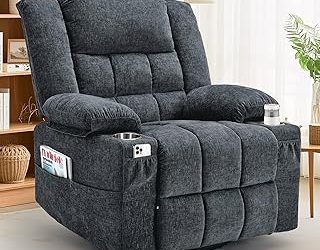
A well-judged compact footprint with a fabric shell that hides the mechanism cleanly, and the lumbar node lands low enough to work for shorter torsos. The massage motors are a pleasant extra rather than the main event — buy it for the fit and the manageable reclining arc, not the vibration.
Zero Wall Power Recliner
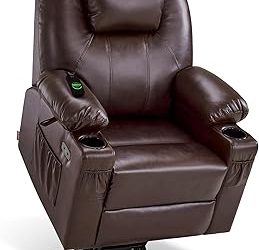
The standout choice for tight rooms: the zero-wall mechanism lets you park it inches from baseboards and still get a full recline, which is rare at this size. Faux leather in light brown wipes clean easily, and the power actuator means no side lever to yank — helpful if you don’t have the leverage for a manual handle.
MCombo Small Power Lift Recliner 7111
The best pick for petite older users, with a lift motor that brings you upright rather than making you push off the arms, plus an adjustable power headrest that finally puts the neck support at the right height. Heating, massage, USB charging ports, and no-tool assembly make it the most feature-complete chair here.
Furnimart Small Manual Recliner
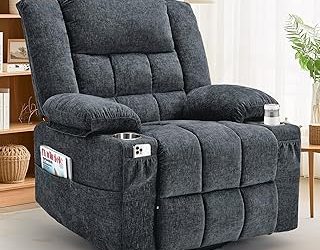
Overstuffed chenille and chunky cushions give this one a genuinely lived-in feel, and the manual mechanism means nothing to plug in or repair down the line. The compact frame slots into a bedroom corner or a home theater row where powered chairs won’t fit.
Korser 360 Swivel Rocker Recliner
Swivel, glide, and recline in one small footprint — ideal for nursery duty or any room where you want to pivot toward a window or a doorway without repositioning the chair. The upholstered fabric keeps it visually light, and the low seat height suits shorter legs well.
Frequently Asked Questions
What seat height works best for someone under 5’4″?
Roughly 17 to 19 inches. Measure from the floor to the back of your knee while wearing normal shoes, then subtract nothing — that number is your target. If a chair sits taller, a firm footstool is a workable fix, but the recline geometry still won’t align properly.
Can I make a too-deep recliner fit better?
Partially. A dense 4-inch lumbar bolster strapped to the back cushion reduces effective depth and restores contact with your lower back. It’s a real improvement, though it slightly shortens the backrest, so it works better on chairs with tall backs like the HRVEOCEI push-back model.
Do power recliners need special wiring?
No. They run on a standard outlet through a low-voltage transformer, typically drawing less than an amp. Keep the transformer box accessible for service and don’t pinch the cable under the mechanism during assembly.
Is a push-back recliner a good option for small spaces?
Yes, often the best one. Push-back designs have no side handle and recline using your body weight, so they need minimal rear clearance. The tradeoff is less granular control over footrest position than a powered model gives you.
Final Thoughts
For most petite buyers, the Zero Wall Power Recliner is the smartest fit — correct proportions, minimal wall clearance, and no lever to fight. If mobility is a factor, the MCombo 7111 lift recliner earns its price through the lift motor and adjustable headrest, and if you want a chair that swivels as well as reclines in the same small footprint, the Korser rocker recliner is hard to beat.