Key takeaways
- Sink flange: Most standard kitchen sinks have a 3.5 to 4.5 inch drain opening that fits a standard disposal flange. Check that your sink is compatible with the unit you pick.
- Mounting: A 3-bolt mount is common and is typically easier to install and remove than older designs.
- Cabinet clearance: Measure the height and depth under the sink. Bigger models need more space, especially with a pipe trap or a dishwasher connection.
- Dishwasher connection: Most disposals have an inlet for the dishwasher drain. If you are connecting a dishwasher, you must knock out the plug in the inlet as the maker manual describes.
- Power: Some models need a power cord and an outlet under the sink, and some require hardwiring. Electrical work should follow local code and a licensed electrician should do any wiring you are unsure about.
- Plumbing: A leaking connection can damage the cabinet. If you do not have plumbing experience, hire a licensed plumber.
- Septic systems: Some makers offer models with septic-friendly features, but a disposal adds solids to a septic tank. Check your local guidance and the maker manual before installing.
For most households, a continuous-feed disposal in the three-quarter horsepower range with a 3-bolt mount is the best balance of grinding power, noise and installation ease, while a half horsepower model suits light cooking and small kitchens, and a one-horsepower or batch-feed model suits large families and buyers who want extra safety. Your sink, plumbing and cooking habits matter more than the label on the box.
Our top picks



As an Amazon Associate we earn from qualifying purchases at no extra cost to you.
Under Sink Garbage Disposals at a Glance
The table lists well-known disposal families and the buyer each suits. Horsepower, grind stages and warranty terms are as stated by the makers, and lineups change, so confirm details on the model page.
| Family | Best for | Features the maker highlights | Limits to know |
|---|---|---|---|
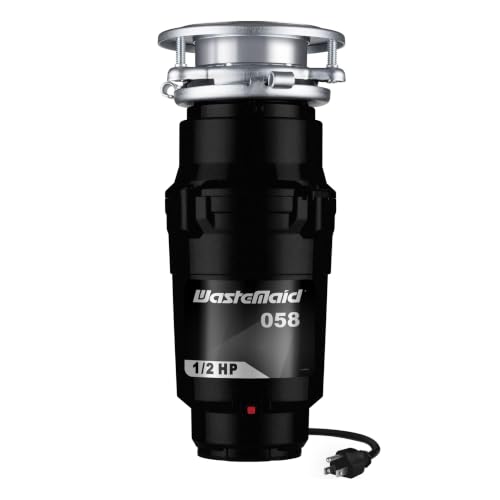
| InSinkErator Badger 5 (1/2 hp) | Light use, small households, rentals | Compact size, continuous feed, simple mount | Less power for fibrous scraps |
| InSinkErator Evolution Compact and Essential series (3/4 hp) | Everyday family use | Multi-stage grinding, sound insulation on some models, easy-mount system | Larger than basic units |
| InSinkErator Evolution Pro and Excel (1 hp) | Heavy cooking, large families | More power, more sound insulation | Tallest option; check cabinet clearance |
| Waste King Legend series | Value-minded buyers | Range of horsepower choices, solid-feel construction as described by reviewers | Noise insulation varies by model |
| Moen GX series | Buyers wanting a compact design | Compact bodies, sound-dampening design on some models | Check compatibility with your mounting |
| Batch-feed models (various makers) | Households with children | Runs only when the stopper is placed and turned | Slower for large cleanups |
Horsepower and Grinding Stages
Horsepower describes motor strength. A one-half horsepower unit handles soft scraps. A three-quarter horsepower unit handles a wider range, including some fibrous vegetables, and a one horsepower unit gives more headroom. Makers also describe grind stages, which refer to how many times food is chopped before it passes into the drain. More stages generally means finer grinding, which reduces the risk of clogs in drain lines. Reviewers say that horsepower matters less than grind design for day-to-day use, but extra power helps when the unit is under load.
Continuous Feed or Batch Feed
Continuous-feed units run when you flip a wall switch or press an air switch, and you feed scraps while it runs. They are faster and more common. Batch-feed units only run when the lid or stopper is placed and twisted, which makers describe as a safer design because nothing can go in while the unit is running. If small children are in the house, a batch-feed model may suit better. In either case, never put your hand in the disposal and always disconnect power before clearing a jam, using a tool as the manual describes.
Sink Fit and Installation Notes
- Sink flange: Most standard kitchen sinks have a 3.5 to 4.5 inch drain opening that fits a standard disposal flange. Check that your sink is compatible with the unit you pick.
- Mounting: A 3-bolt mount is common and is typically easier to install and remove than older designs.
- Cabinet clearance: Measure the height and depth under the sink. Bigger models need more space, especially with a pipe trap or a dishwasher connection.
- Dishwasher connection: Most disposals have an inlet for the dishwasher drain. If you are connecting a dishwasher, you must knock out the plug in the inlet as the maker manual describes.
- Power: Some models need a power cord and an outlet under the sink, and some require hardwiring. Electrical work should follow local code and a licensed electrician should do any wiring you are unsure about.
- Plumbing: A leaking connection can damage the cabinet. If you do not have plumbing experience, hire a licensed plumber.
- Septic systems: Some makers offer models with septic-friendly features, but a disposal adds solids to a septic tank. Check your local guidance and the maker manual before installing.
Noise and Insulation
Insulation, vibration isolation and grind design drive noise. Higher-end models list added sound insulation, and reviewers generally report that insulated models are quieter. A stainless steel sink with sound-dampening pads can also reduce noise. Even the quietest disposal is audible during grinding, so consider whether the unit is near living areas.
What You Should Not Put Down a Disposal
Makers typically advise against putting grease, fat, coffee grounds in large amounts, fibrous scraps such as corn husks and celery in bulk, bones, pits, eggshells in bulk, starchy foods like rice and pasta in large quantities, and non-food items. Run cold water before, during and after grinding as the manual describes. Cleaning with citrus peels or ice is a popular tip, but follow the maker cleaning guidance. Do not use chemical drain cleaners in a disposal unless the maker allows it.
Budget, Mid-Range and Premium Tiers
Budget tier
Half horsepower units from InSinkErator Badger and Waste King are the entry choice. They work for light use in small households, but they are louder and more likely to jam with fibrous food.
Mid-range tier
Three-quarter horsepower models from InSinkErator, Waste King and Moen add more grinding stages, more sound insulation and a longer warranty. This tier fits most families.
Premium tier
One horsepower units and models with added insulation and multi-stage grinding suit heavy cooking and users sensitive to noise. The extra cost buys power and quiet rather than a different kind of function.
Pick X If Decision Table
| Pick this if you… | Choose | Why |
|---|---|---|
| Cook lightly in a small kitchen | 1/2 hp model such as a Badger 5 | Compact and economical |
| Cook daily for a family | 3/4 hp model with multi-stage grinding | Balanced power and noise |
| Cook heavily or entertain often | 1 hp model | Extra grinding headroom |
| Have small children | Batch-feed model | Only runs when the stopper is in place |
| Have limited cabinet space | Compact model | Smaller height and body |
| Are on a septic system | Models rated for septic use, after checking guidance | Follow local advice |
Safety and Maintenance Notes
Turn off the power at the breaker before any installation or repair, and never reach into the grinding chamber. Use the maker wrench or a pair of tongs to clear jams after switching power off. Disposals involve water and electricity, so use a licensed electrician for hardwiring and a licensed plumber for complex plumbing. Test for leaks after installation and again after a day of use. If the unit smells burnt, trips the breaker or leaks, stop using it and have it inspected. Follow local rules on disposals, as some municipalities restrict or prohibit them.
Alternatives to Consider
- Countertop food recycler: Electric composters reduce food waste volume without plumbing, though they need power and have a running cost.
- Compost bin or municipal organics collection: Suits households with a local program and avoids water use.
- Sink strainer and trash: The simplest option for light cooking; no installation needed.
Warranty, Parts and Long-Term Ownership
Disposal makers list warranties that vary by model, with higher-end units typically covering more years and sometimes including in-home service where the maker states it. Look at what the warranty includes: parts only, labor, or both. Also consider spare-part availability. Common wear items include the splash guard, the mounting gasket and the grinding components. Some brands standardize their mounting kits so that a replacement unit fits the same flange, which saves time if the unit ever fails. Consumers who rent or plan to move should consider the simpler models, while homeowners staying long-term may prefer a more durable unit.
Materials
Makers describe grinding components made from stainless steel, galvanized steel or other metals, and some list corrosion-resistant chamber materials. Reviewers say stainless components generally resist corrosion better, but good care matters more than the material alone.
Air switch or wall switch
Some kits include an air switch mounted on the countertop, which avoids wiring a wall switch. Others rely on an existing wall switch. Check what is included, and have a licensed electrician handle any new wiring.
Frequently Asked Questions
What horsepower disposal do I need?
A three-quarter horsepower unit is a reasonable choice for most households. Half horsepower is enough for light use, and one horsepower suits heavy cooking or large families.
Can I install a garbage disposal myself?
Many homeowners do, since modern 3-bolt mounts are designed for easier installation. If the install requires hardwiring or changes to plumbing, follow local code and hire a licensed electrician or plumber.
Why is my disposal humming but not grinding?
This usually means a jam. Switch off the power, use the manual instructions to turn the plate with the maker wrench or remove debris with tongs, and press the reset button if there is one. Do not use your hand.
Are garbage disposals safe for septic systems?
They add solids to a septic tank, which can increase pumping frequency. Some makers sell septic-friendly models, but check the maker manual and local guidance first.
How long does a disposal last?
Makers list warranties from a few years to longer on premium models, and lifespans depend on use and care. Regular cold-water flushing and avoiding grease extend life.
How do I keep a disposal from smelling?
Run cold water after use, avoid grease and clean the splash guard regularly. Use the cleaning approach the maker recommends rather than harsh chemicals.
More from Amazon
Programs that pair well with the guide above. Offers and eligibility are set by Amazon and may change.
A free business account with business pricing and bulk-buying tools for work, shop or home office.
Create a business accountFree shipping on eligible items, Prime Video and more. Eligible new members can start with a free trial.
Start a Prime free trialAudiobooks and podcasts to listen to on the go. Eligible new members can start with a free trial.
Try Audible freeAd-free music streaming. Eligible new subscribers can start with a free trial.
Try Music Unlimited freeAs an Amazon Associate we earn from qualifying purchases.