how to prevent static electricity at home: Static shocks are not necessarily household wiring faults; they often follow triboelectric charging of clothing and carpet in dry conditions. Humidifying alone does not create a grounded or ESD-safe electronics workstation.
Quick Answer: Reduce static shocks by identifying the carpet/shoe or clothing combinations involved, changing synthetic fabric contact where practical, using suitable anti-static laundry/fabric products as labeled, and keeping room humidity from becoming excessively low. A humidifier can help but cannot guarantee zero static.
As an Amazon Associate we earn from qualifying purchases.
By DIY Ideas 4 Home Editorial Team
Before You Start: Tools, Materials and Safety
Work only with the surfaces, materials and controls that the exact manual identifies as owner-accessible. Check the expected result at each stage before proceeding.
| Decision point | Owner action | Result to check | Stop or exception |
|---|---|---|---|
| Pinpoint the static-generating contact | Note whether shocks follow carpet walking, dry clothing separation or touching a doorknob. | A repeatable material-contact pattern points toward ordinary static charging. | Tingling from a live appliance or outlet requires an electrician. |
| Reduce charge-building fabric contact | Try less static-prone clothing layers and labeled antistatic laundry products as suitable. | Compare ordinary shocks during similar dry conditions. | Do not apply treatment to electrical equipment contrary to its instructions. |
| Check moisture without overdoing it | Measure RH before using a humidifier solely to address static. | Keep within EPA general indoor-moisture guidance and watch windows. | Even high RH cannot guarantee zero static shocks. |
| Protect electronics separately | Use proper ESD handling measures for sensitive electronics rather than depending on room moisture alone. | Follow electronics maker antistatic handling guidance. | Never invent a household RH level as a substitute for grounded ESD protection. |
Identify shocks from carpet and footwear
EOS/ESD Association explicitly describes shocks after walking on carpet and contacting a metal doorknob.
Static shocks often come from friction and charge buildup rather than a fault in the household electrical system. Walking on carpet with particular footwear, sliding against a synthetic couch, or removing a fleece blanket can move charge between surfaces. The small discharge when you touch a metal handle is the visible result. Notice whether shocks happen only after specific movements or fabrics; that pattern makes ordinary static more likely. A persistent tingle from an electrical appliance, a damaged outlet, or exposed wiring is a different safety concern and should not be dismissed as dry-weather static.
Reduce static in synthetic clothes, blankets and upholstery
ESD Association identifies synthetic fabrics as charge-generating materials in clothing and suggests material controls in work settings.
Start with the material combination that repeatedly causes the problem. Try different footwear on the same carpet or change a synthetic blanket for a natural-fiber alternative, then compare whether shocks are less frequent. Check garment care labels before using an anti-static laundry product, since not every finish or textile tolerates the same treatment. On upholstery, test any approved treatment in an inconspicuous area and avoid spraying near live electrical equipment or open heat sources. These material changes are often more targeted than attempting to raise the humidity in every room of the home.
Check indoor RH before adding moisture
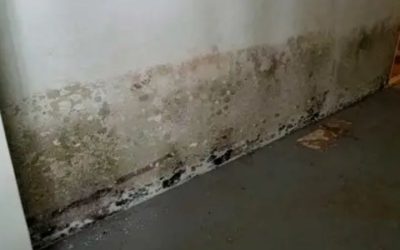
EPA provides general ideal indoor RH 30-50%; high humidity introduces condensation and mold problems, so do not humidify indefinitely for static alone.
Low winter relative humidity can make some static problems more noticeable, but there is no universal household RH percentage that guarantees shocks will stop. Place a hygrometer away from windows, radiators, and any humidifier mist to learn whether the room is genuinely dry. If a humidifier is appropriate, increase moisture cautiously and watch for window condensation and wet surfaces. Do not use an industrial static-control humidity specification as a residential comfort requirement. Moisture can reduce certain static effects while causing a different problem if it accumulates on cold building materials.
How to Interpret the Evidence
Contact/separation + material combination generate charges; RH is a modifying environmental variable, not the sole cause.
Changing materials and using compatible fabric treatments may reduce nuisance static but varies with surface and conditions.
Electronics require dedicated ESD-safe practices; high room humidity does not guarantee device safety.
How to Do the Task Step by Step
Begin with observable conditions and proceed only through permitted user controls. A safety alarm, damaged part, live connection or inaccessible component ends the do-it-yourself path.
Step 1: pinpoint the static-generating contact
Note whether shocks follow carpet walking, dry clothing separation or touching a doorknob. A repeatable material-contact pattern points toward ordinary static charging.
Tingling from a live appliance or outlet requires an electrician.
University of Minnesota Extension links very low indoor winter RH with dry skin and static hair.
A practical comparison uses one variable at a time. Note the flooring, shoes, clothing material, and room RH when shocks occur. Change shoes or a textile first, then observe whether the same movement still produces a discharge. If the room is measured as dry, consider a modest humidity adjustment and repeat the observation under similar conditions. A vague statement that ‘static is gone’ after changing several products gives little guidance for future winter seasons. Keeping simple notes may sound excessive, but it prevents buying a humidifier when the main issue is one particularly static-prone rug or blanket.
Step 2: reduce charge-building fabric contact
Try less static-prone clothing layers and labeled antistatic laundry products as suitable. Compare ordinary shocks during similar dry conditions.
Do not apply treatment to electrical equipment contrary to its instructions.
ESD Association notes static generation persists even at high RH; raising RH does not eliminate all charging.
Never try to solve an electrical shock by adding water near equipment or intentionally grounding an appliance with improvised wires. If the sensation is linked to touching one powered device, if there are sparks, heat, damaged insulation, or breaker problems, stop using it and arrange electrical evaluation. Ordinary static should be addressed through surface materials, clothing, footwear, and safe humidity management. When the method works, the household should be more comfortable without damp walls, slippery sprayed floors, or residues on sensitive electronics.
Step 3: check moisture without overdoing it
Measure RH before using a humidifier solely to address static. Keep within EPA general indoor-moisture guidance and watch windows.
Even high RH cannot guarantee zero static shocks.
EPA warns not to humidify home above 50% RH and to lower output if windows or walls start condensing.
Consider the difference between an annoying discharge and an actual electrical hazard in your notes. A tiny snap after walking over a rug tends to be linked to movement and fabric, whereas a repeated sensation from the same plugged-in appliance deserves professional attention. Explain that distinction to other occupants so they do not spray water around outlets to control static. The goal is fewer nuisance shocks while maintaining safe, dry electrical surroundings and healthy indoor moisture levels.
Step 4: protect electronics separately
Use proper ESD handling measures for sensitive electronics rather than depending on room moisture alone. Follow electronics maker antistatic handling guidance.
Never invent a household RH level as a substitute for grounded ESD protection.
ESD Association: humidity may help reduce charge accumulation but is NOT a substitute for qualified grounding/ESD materials protecting sensitive electronics.
Do not overlook seasonal habits. Wearing different slippers, unpacking synthetic winter blankets, and spending more time on carpet can change the amount of friction long before anyone measures the room. Test an easy material swap before committing to a whole-house humidifier. If humidity adjustment is needed, keep the change modest and confirm that window frames stay dry. Small, reversible actions make the reason for improvement clearer than introducing several new products at once.
Products That Help
Useful supplies for the specific checks above can include digital hygrometer and compatible portable humidifier. Confirm the exact size, device compatibility and applicable maintenance instructions first. Equipment and tools do not remove the need to stop for a safety fault.
Frequently Asked Questions
The answers below separate normal operation, owner-accessible checks and conditions that require manufacturer support or professional service.
Does a humidifier stop static electricity?
It may reduce charge under dry conditions, but the ESD Association notes that static charging can still happen at high RH. Material selection also matters.
Why do I shock everything I touch in winter?
Contact and separation between footwear, carpet and fabric can generate static electricity, particularly during dry winter indoor conditions.
Are dryer sheets effective for every type of static?
Not for every fabric and situation. Follow the product label and focus on the material combination that produces recurring charge.
When is a shock an electrical problem rather than static?
A repeatable shock from carpet and a doorknob differs from tingling at a powered appliance or receptacle. Stop use and ask an electrician about the latter.
Final Thoughts
Note whether shocks follow carpet walking, dry clothing separation or touching a doorknob. Never invent a household RH level as a substitute for grounded ESD protection.