Key takeaways
- Published 70% light transmission supports covered cool-season crops.
- Estimated 4 to 6 degrees F of frost protection.
- Fifty-foot roll can be cut for separate narrow rows.
Cold nights can damage tender plants despite sunny afternoons. A frost protection blanket buys a garden some breathing room by slowing heat loss, but fabric weight, light transmission, and the way you secure its edges matter more than a dramatic freeze-proof claim. This comparison covers six identifiable products for vegetable rows, raised beds, shrubs, and patio pots. It also separates published frost-protection estimates from what a gardener can actually count on in windy or prolonged cold.
Quick Verdict: For a vegetable bed facing occasional fall frost, Agribon AG-30 is our Best Overall choice: its published 0.9-ounce-per-square-yard fabric passes 70% of light and offers an estimated 4 to 6 degrees F of protection. Choose Agribon AG-50 when colder nights justify sacrificing sunlight. These are editorial selections based on published product documentation as of October 2026, not in-house testing. Check the current price and the exact roll size before ordering.
As an Amazon Associate we earn from qualifying purchases.
By DIY Ideas 4 Home Editorial Team
6 Best Frost Protection Blankets Reviewed
We selected named products with identifiable model or product numbers, confirmed dimensions, and live US retailer listings. Frost grades come from manufacturer or specialist-seller documentation where available; they are estimates, not guaranteed outdoor minimum temperatures. For comparison, the featured sizes were listed from about $14.98 to $32.99 at US retailers in October 2026. Roll prices are not directly comparable with smaller sheets: some cover more than twice the planting area.
| Product | Best For | Key Spec | Listed Price (as of October 2026) | Watch Out For |
|---|---|---|---|---|
| Agribon AG-30, 83 in by 50 ft | Best Overall: spring and fall rows | 0.9 oz/sq yd; 70% light; estimated 4 to 6 degrees F | $22.95 at Johnny’s | Hoops recommended for sensitive upright shoots |
| Agribon AG-19, 83 in by 50 ft | Best for Leafy Greens: brighter cover | 0.55 oz/sq yd; 85% light; estimated 2 to 4 degrees F | $17.95 at Johnny’s | Lower published cold margin than AG-30 |
| Agribon AG-50, 83 in by 50 ft | Best for Colder Nights: overwintering | 1.5 oz/sq yd; 50% light; estimated 6 to 8 degrees F | $29.70 at Johnny’s | Heavy fabric substantially reduces daylight |
| DeWitt N-Sulate NS12, 10 ft by 12 ft | Best for Shrubs: compact heavy sheet | 1.5 oz/sq yd; UV-treated polypropylene | $32.99 at Lowe’s | Smaller sheet costs more than some long rolls |
| Greenscapes 210002, 12 ft by 10 ft | Best for Small Beds: green fabric | 120 sq ft; UV-resistant spun-bond polypropylene | $14.98 at Lowe’s | Fabric weight and frost-degree gain not published |
| Planket 11096, 8 ft round | Best for Potted Plants: cinch-fit shape | 8-ft diameter; built-in perimeter cinch | $14.98 at Home Depot | Not intended to stay on growing plants indefinitely |
Agribon AG-30: Best Overall
Best For: Gardeners who cover several low vegetable rows through changeable fall weather and want daylight to keep reaching crops.
AG-30 occupies the useful middle of this group. It offers more published cold buffering than the thinner AG-19 without the major reduction in light that accompanies AG-50. That balance matters when you intend to protect spinach, carrots, or onions for several days rather than cover a decorative shrub for one night. Its biggest compromise is that a medium-weight roll still needs careful edge anchoring to keep cold air from flowing underneath.
Johnny’s product page for Agribon+ AG-30, product ID 7365.0, specifies 0.9 ounce per square yard, 70% light transmission, and an estimated 4 to 6 degrees F of frost protection. The 83-inch by 50-foot option was listed at $22.95 in October 2026, reduced from $25.50. Those degrees describe potential protection under appropriate use, not permission to leave a frost-sensitive tomato outdoors at any particular forecast low. Surface conditions and cover installation can change the result.
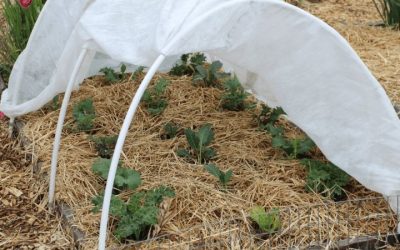
The roll measures 83 inches wide and 50 feet long, enough for multiple short beds if you plan the cuts before starting. Johnny’s advises hoops when growing points might press against the fabric, as with peppers. Leave generous slack over leaf tips, then pin or weight down the entire perimeter instead of only the corners. Repeated dragging over rough fencing can shorten the service life of this lightweight nonwoven cover; check for tears before the next cold alert.
Pros:
- Published 70% light transmission supports covered cool-season crops.
- Estimated 4 to 6 degrees F of frost protection.
- Fifty-foot roll can be cut for separate narrow rows.
Cons:
- Cannot match AG-50’s published cold buffer during tougher freezes.
- Long roll needs clamps or ground pins for windy gardens.
Who Should Buy It: Choose AG-30 for repeated mild-to-moderate frost events; buy Agribon AG-50 instead if winter cold is the overriding concern.
Agribon AG-19: Best for Leafy Greens
Best For: Lettuce and spinach growers trying to conserve growing-season light while preparing for occasional light frosts.
There is a practical reason to prefer the thinnest Agribon here: a plant still needs useful sunlight on the many afternoons between cold nights. AG-19 admits more of that sunlight than AG-30 or AG-50, making it particularly relevant to short fall days when greens are growing slowly. It is not a substitute for a heavy freeze blanket, though. The same light construction that is easy to handle offers a smaller documented cold cushion.
Johnny’s product page for Agribon+ AG-19, product ID 9029, gives a 0.55-ounce-per-square-yard fabric weight, 85% light transmission, and an estimated 2 to 4 degrees F of frost protection. The 83-inch by 50-foot roll appeared for $17.95 in October 2026, compared with a $19.95 pre-sale listing. The published values support use for limited frost relief, not a claim that the fabric will keep every crop safe down to a fixed air temperature. Mature kale and newly transplanted basil have very different cold tolerance.
At 83 inches wide and 50 feet long, AG-19 is easy to allocate among rows without buying a farm-scale roll. The supplier suggests hoops for peppers and other plants whose growing tips could press against the cover. For low lettuce, the fabric can be draped loosely, with enough space for additional leaf growth. Small rips around anchoring points matter disproportionately in gusts, so a torn strip should be patched or replaced instead of pulled tightly across a bed.
Pros:
- Highest published light transmission among the three Agribon grades here.
- At 0.55 oz/sq yd, less fabric mass over tender foliage.
- Lower listed price than AG-30 in the same 83-inch width.
Cons:
- Two to four degrees F of claimed protection leaves little reserve.
- Thinner cloth is less suitable for exposed winter sites.
Who Should Buy It: Buy AG-19 to preserve daylight around cool-season salad crops; move to DeWitt N-Sulate NS12 for a smaller, heavier sheet.
Agribon AG-50: Best for Colder Nights
Best For: Growers overwintering hardy vegetables or containerized ornamentals who prioritize extra insulation over sunlight during cold spells.
AG-50 makes the opposite compromise to AG-19. Its thicker construction is worth considering when moderate row cover repeatedly falls short and a low tunnel is already part of your plan. The price difference from AG-30 is modest relative to the protection range the seller publishes. However, the darker growing conditions under this fabric make it less appealing as a continuously deployed blanket over plants that still need meaningful winter photosynthesis.
Johnny’s product page for Agribon+ AG-50, product ID 7372, reports 1.5 ounces per square yard, 50% light transmission, and an estimated 6 to 8 degrees F of frost protection. The specified 83-inch by 50-foot roll was listed at $29.70 in October 2026 against a $33.00 regular price. Johnny’s also identifies overwintering containerized ornamentals as a suitable application. Published degree gains are conditional; in an extended hard freeze, moving tender pots to shelter can still be necessary.
This piece measures 83 inches across and 50 feet long. Unlike a short protective sheet, a long heavy roll rewards planning: use hoops so projecting buds do not contact the fabric, allow space for mature leaf rosettes, and check whether the roll is secured before the temperature drops. The dealer’s page flags that shipping surcharges may apply, an actual cost difference that a headline product price can hide. Store the cover dry and inspect the fold lines before reusing it next season.
Pros:
- Published 6 to 8 degrees F is highest among Agribon options listed.
- Heavy 1.5 oz/sq yd fabric suits supported low tunnels.
- Fifty-foot length covers successive plantings across a garden.
Cons:
- Only 50% of sunlight is transmitted according to the seller.
- Heavier cover and possible shipping surcharge raise total cost.
Who Should Buy It: Select AG-50 for cold-weather protection over hardy crops; choose Agribon AG-19 when available daylight matters more.
DeWitt NS12: Best for Shrubs
Best For: Homeowners covering a small grouping of flowering annuals, a low shrub, or a short garden bed with one sheet.
DeWitt’s N-Sulate NS12 is the heavy-sheet alternative to buying a much longer Agribon roll. Its 10-foot width offers useful drape over a bushy plant or several low containers, while the shorter length is easier to fold and put away after a frost warning. The drawback is value by area: the price of one sheet can approach or exceed that of the longer AG-50 roll. It makes the most sense when cutting and storing a 50-foot piece would be inconvenient.
DeWitt’s product page for N-Sulate 1.5 oz identifies item NS12 as a 10-foot by 12-foot plant-protection fabric. Its N-Sulate spec sheet describes UV-treated, breathable polypropylene; a specialist US listing from Hummert supplies the 1.5-ounce-per-square-yard grade and 11.5-mil nominal thickness. Lowe’s listed the NS12-size cover at $32.99 in October 2026. A separate retailer’s claimed degree gain should not be treated as a guaranteed safe temperature for every flower or shrub.
The fabric measures 10 feet wide by 12 feet long before draping, so a tall or spreading specimen will use far more material than its footprint suggests. Leave a perimeter skirt long enough to anchor at ground level. DeWitt says its material is reusable, but that does not make it tear-proof; branches, rose thorns, and exposed wire supports can nick woven or nonwoven covers. Fold it after it dries rather than storing damp cloth against plant debris.
Pros:
- Ten-foot width makes a practical drape for broad low shrubs.
- Manufacturer identifies reusable, UV-treated frost-protection fabric.
- Published 1.5 oz/sq yd grade offers a heavy-sheet option.
Cons:
- One 120-square-foot sheet is expensive against long-row alternatives.
- No tailored closure for a freestanding container or tree.
Who Should Buy It: Choose NS12 when one heavy, manageable sheet is enough; compare Planket 11096 if a cinched pot cover fits better.
Greenscapes 210002: Best for Small Beds
Best For: Gardeners with one short raised bed who want a green frost cloth without purchasing excess roll length.
Greenscapes 210002 serves a different buyer from the Agribon rolls: someone with a single bed and nowhere appealing to store leftover white row-cover material. Its green fabric is less visually intrusive in a landscaped yard. That is a cosmetic benefit, not proof of superior frost performance. Because the listing does not supply a fabric weight or numerical temperature gain, this is a convenience selection for forecast light frost rather than our choice for measurable deep-cold protection.
Lowe’s product page for Greenscapes model 210002 describes UV-resistant, spun-bonded polypropylene and confirms that air, water, and light can pass through. It identifies frost and wind protection, but does not publish a light-transmission percentage or a fabric weight. The listed price was $14.98 in October 2026. Those missing comparison figures prevent a responsible claim that this sheet insulates as well as Agribon AG-30 or DeWitt NS12. For colder conditions, choose a product with a documented grade.
The actual sheet is 12 feet wide and 10 feet long, providing 120 square feet of flat material before accounting for plant height and edge anchoring. Lowe’s identifies it as reusable and without a drawstring, so use soil staples or smooth weights rather than treating it like a bag. The green nonwoven cloth can catch on sharp trellis tips; smooth those contact points and let the cover dry before folding. If the bed needs multiple overlapping sheets, a continuous AG-30 roll may seal more cleanly.
Pros:
- Twelve-foot width accommodates a single wide raised bed.
- UV-resistant spun-bond fabric listed as reusable by Lowe’s.
- Green finish visually recedes in landscaped planting areas.
Cons:
- No published oz-per-square-yard grade for direct cold comparison.
- Lacks a cinch closure for covering potted shrubs.
Who Should Buy It: Pick 210002 for a modest bed and an unobtrusive appearance; choose Agribon AG-30 when published cold-performance figures are important.
Planket 11096: Best for Potted Plants
Best For: Patio gardeners protecting individual potted ornamentals that are difficult to carry indoors before a brief frost event.
A round shape solves an irritation that rectangular row covers do not: gathering fabric neatly around a pot without awkward corners dragging across a deck. Planket 11096 combines that shape with a perimeter cinch, which can make it easier to secure around a container or low shrub. It does not replace a frost-proof storage space, and it is poorly suited to covering a long vegetable row. For a grower protecting only one large pot, that deliberate specialization is its advantage.
Home Depot’s product page for Planket 11096 identifies an 8-foot round plant cover, and Home Depot’s October 2026 Planket category listing showed a $14.98 price. The retailer’s product documentation describes lightweight polypropylene for frost protection. Planket’s application instructions explain that the perimeter can be partially cinched before placing it over the plant, then tightened low around a pot. The manufacturer does not provide a comparable fabric-weight and frost-degree pair in those materials, so do not assign it an invented freeze rating.
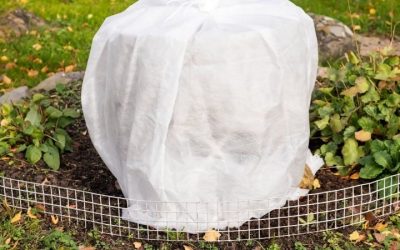
The circular cover has an 8-foot diameter, but that number is not a maximum plant diameter once fabric has to travel down the sides and around a container. A roughly 3-foot-tall plant, for example, needs substantial drape for ground-level closure. Planket’s instructions recommend hose rinsing and air drying, and caution against prolonged placement over actively growing plants because sunlight access is limited. Inspect the cinch channel for abrasion after repeated installation around a rough ceramic rim.
Pros:
- Built-in cinch simplifies securing the fabric around pots.
- Eight-foot round cut avoids surplus rectangular corners.
- Manufacturer instructions permit hose cleaning and air drying.
Cons:
- Cannot efficiently span several separated crop rows.
- Manufacturer discourages long continuous coverage of growing plants.
Who Should Buy It: Choose 11096 for one movable-size patio specimen that remains outside; choose DeWitt NS12 for a broader group of shrubs.
How to Choose a Frost Blanket for Plants
Start with the forecast, then measure the footprint and height of the plants, including the spare fabric needed to seal the edges. A flat 10-foot by 12-foot cover rarely protects a full 120-square-foot planted area once it is lifted over leaves and secured to the soil. University of Maryland Extension distinguishes lightweight, medium, and heavyweight row covers because protection and the amount of daylight reaching foliage move in opposite directions.
Match Fabric Weight to the Actual Cold Risk
In University of Maryland Extension’s row-cover guidance, medium-weight fabrics around 0.5 to 1.0 ounce per square yard transmit roughly 70% to 85% of sunlight and can provide about 4 to 6 degrees F of frost protection under favorable conditions. Heavy grades around 1.5 to 2.2 ounces can allow only 30% to 50% of sunlight while offering up to about 8 degrees F. These are class-level guidelines, not substitute specifications for models whose weight has not been published.
Choose AG-19 when a brief, light frost threatens a leafy crop that still needs daylight. AG-30 is a better middle position when overnight lows become more frequent. Use AG-50 or N-Sulate when protection takes priority over light, especially with hoops. Colorado State University Extension says row covers can provide up to 10 degrees F under some configurations, but wind, trapped heat, plant species, and whether edges are sealed all influence the outcome. None of these fabrics produces heat independently.
Size the Drape, Not Just the Bed
A bed measuring 4 feet wide requires more than 4 feet of fabric when the cover must arch over foliage or a hoop tunnel. Likewise, an 8-foot round blanket is not sized for an 8-foot-wide shrub that is also several feet tall. Measure across the top and down both sides to the ground; allow extra at each edge for pins, boards, or soil. An undersized blanket may lift in a gust and funnel freezing air into the space you intended to protect.
For scattered containers, individual cinch-style covers are easier to fit than cutting a long roll into mismatched squares. A roll serves repeated parallel beds better and often offers a lower fabric cost for each covered foot. The correct layout depends on how much fabric the plant canopy consumes vertically, not solely on the quoted flat sheet area. Place supports over stiff stems or fragile blossoms so fabric cannot rub or press against growth points in winter wind.
Balance Light, Ventilation, and Reuse
The benefit of a heavy cover at night can become a liability in warm sunshine. University of New Hampshire Extension warns that temperatures beneath row covers may rise as much as 15 degrees F above the outside air, with sensitive flowers and fruit vulnerable to overheating. Remove or ventilate covers when conditions demand it, and uncover insect-pollinated crops while they are flowering. The advice to leave a breathable fabric on for a season should never override a real temperature check beneath the cover.
Reusability also depends on handling rather than a product label alone. Secure edges with smooth weights, use clips sized for the support tubing, and avoid dragging sheets over wire, thorns, or rough mulch. University of Maryland Extension says common row-cover fabrics often last roughly one to three years depending on grade, use, and exposure. A lower-priced cloth needing replacement after torn anchoring points can be a worse purchase than a heavier sheet that fits your garden and is stored dry.
Frequently Asked Questions
A blanket can change the microclimate around a plant, but the details of timing and plant care decide how useful that change becomes. These questions address installation and monitoring choices that often arise after a buyer has settled on a fabric weight.
When should I put a frost cover on my plants?
Put it on before the evening temperature reaches the danger zone for that plant. A cover placed while the soil still holds some daytime warmth has a better chance of retaining it than one installed after frost has already formed. Anchor the entire edge before dusk, especially when the forecast includes wind. For a spring transplant, the trigger depends on species: tender warm-season vegetables may need protection before an established cold-hardy green does.
Should I water the soil before covering for frost?
Usually, yes, when the soil is dry and it is practical to water well before the freeze. Planket’s product-use instructions explicitly recommend watering plants thoroughly before covering. Moist soil can hold more heat than dry soil, but saturated soil and water pooling around roots create other problems. Water during suitable daytime conditions, not by spraying leaves just as temperatures drop. Do not substitute a last-minute soaking for taking a sensitive plant into shelter.
Will frost fabric save tropical plants in a hard freeze?
No blanket guarantees survival of a tropical plant during a long hard freeze. Row-cover degree estimates generally describe a limited temperature buffer; they do not establish a new universal cold-hardiness rating. If local lows fall well below the plant’s tolerance, use an enclosed protected location rather than assuming that doubling lightweight cloth will be sufficient. The same decision applies to tender container plants whose roots can chill much faster than the ground around a mature garden bed.
Can I tell whether the temperature under a blanket is safe?
Yes, with a minimum-reading thermometer positioned near the plant canopy under the cover. Compare that reading with a nearby uncovered location over more than one night to understand the difference your actual setup provides. The reading should reflect where leaves and buds sit, not the warmest pocket at the top of a tunnel. A cover that performs acceptably on a calm, clear night may behave differently under wind or after several cold days.
Final Thoughts
For a vegetable bed that needs several nights of moderate protection without losing too much growing light, buy Agribon AG-30 in the 83-inch by 50-foot size; it remains the Best Overall choice here. A colder, low-light overwintering setup favors Agribon AG-50, while one patio pot may justify the simpler Planket 11096. Before placing an order, check your next overnight lows against the cold tolerance of the exact plant, not only the fabric’s advertised degree gain. Then confirm the current price, sheet dimensions, and any extra shipping charge on the chosen listing.