Knowing when to cover plants for frost starts before the thermometer reaches freezing. If a local forecast calls for frost or lows near 32°F, protect tender outdoor plants by late afternoon, ideally before the sun sets. The National Weather Service can issue frost advisories with forecast lows above freezing because exposed leaves may cool below the reported air temperature. A cover is temporary insurance against a brief cold spell, not a guarantee against prolonged freezing weather.
Quick Answer: Check your local frost advisory and the overnight low, then focus on vulnerable crops, new transplants and pots first. University of Georgia Extension recommends placing covers at least an hour before sundown so they retain some warmth from the ground. Lift or ventilate covers after the cold threat passes and daytime temperatures rise, especially if using plastic. Plant type, microclimate and the length of the cold spell change the decision.
As an Amazon Associate we earn from qualifying purchases.
By DIY Ideas 4 Home Editorial Team
When to Cover Plants: Temperatures and Timing
A nighttime forecast is a starting point, not a leaf-level measurement. Gardens can have colder pockets near the soil, warmer areas against a building and different exposure in a raised bed. For a fall or spring cold snap, match the predicted low to the cold sensitivity of the plant and the type of covering available. The table below gives a planning framework for tender plants during the growing season, not a universal plant survival chart.
| Situation or Input | Recommended Range or Answer | Why It Matters | Exception |
|---|---|---|---|
| Frost advisory, often 33 to 36°F | Prepare covers that afternoon | Leaf surfaces may cool below the forecast air temperature | Advisory criteria vary by NWS office |
| Forecast near or at 32°F | Cover frost-sensitive plants before sunset | Exposed tender tissue can suffer frost injury | Hardened cool-season plants may need no cover |
| Expected low near 28°F or below | Move movable tender plants into shelter | Ordinary covers may not offset a hard freeze | Cold-hardy species can tolerate lower temperatures |
| Clear, calm evening after a warm day | Cover early rather than after dark | Ground heat is available to retain under the fabric | Wind and cold, cloudy preceding days reduce protection |
| Sunny morning after frost risk ends | Ventilate or uncover once warming begins | Trapped solar heat can stress foliage | Breathable row covers can sometimes remain for season extension |
Take Frost Advisories Seriously Above Freezing
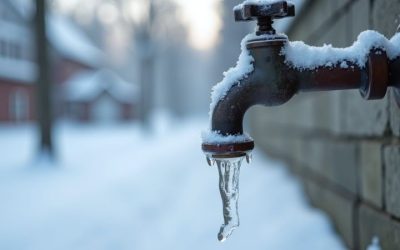
The National Weather Service office serving Grand Forks described frost-advisory conditions at 33 to 36°F in its May 2026 growing-season notice. The agency’s 2023 weather-services guidance explains why frost can form on a surface even when a standard air thermometer reads several degrees above freezing. Leaves lose heat to a clear night sky and may become colder than the surrounding air. Waiting for an outdoor reading of exactly 32°F therefore misses some cold events.
Distinguish Light Frost From a Hard Freeze
University of Minnesota Extension’s April 2026 garden-timing guidance warns that a light frost around 32°F can damage tender crops. It identifies roughly 28°F or lower as a hard frost capable of killing many warm-season crops. That distinction changes the plan: a brief near-freezing dip may be a realistic job for a properly installed cover, while a colder, prolonged event calls for moving portable plants or accepting that some summer crops will be lost.
Duration matters alongside the lowest number. One short dip just before dawn is not the same exposure as hours of wind-driven cold, even if the headline minimum is identical. The temperature margins on row-cover packaging describe performance under particular conditions. They should not be treated as a promise that tomatoes or basil will survive any overnight freeze. Outdoor plants differ in acclimation, moisture stress and the maturity of new growth.
Install Covers While the Ground Is Still Warm
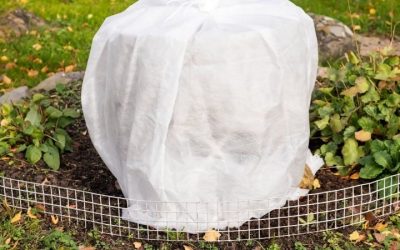
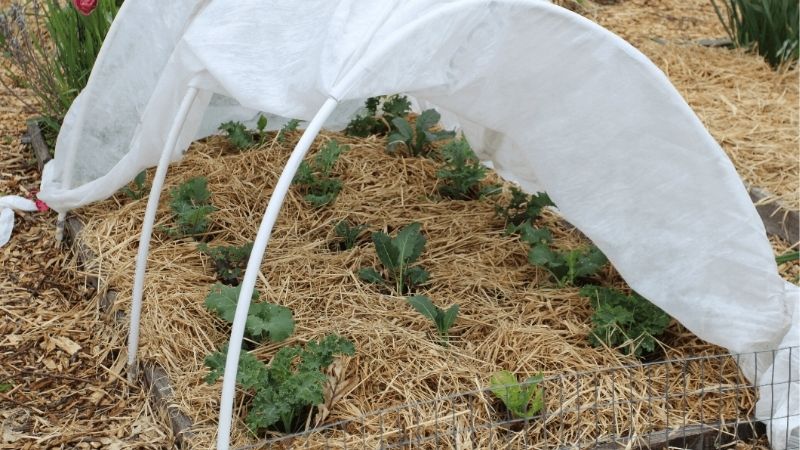
University of Georgia Cooperative Extension Bulletin 1479, reviewed in 2023, recommends putting a plant cover on at least an hour before sundown. The reason is physical rather than ceremonial: a fabric canopy secured around the soil perimeter slows the loss of daytime ground heat. If the cover goes on only after temperatures have plunged, less warmth remains underneath. You do not need to wait for visible frost on leaves to start the job.
The same Extension bulletin notes that these passive covers work better when the preceding day was sunny and the soil holds useful warmth. After a cold, overcast day, the protection may be weaker. Set the material over a frame if branches are delicate, bring its edges to the soil and secure them so a gust cannot lift the fabric. A sheet tied tightly around only the top of a shrub leaves more of that ground-warmed air outside the enclosure.
Adjust the Covering Schedule for Your Plants
Two plants in the same yard may deserve opposite decisions on a chilly evening. Tender summer vegetables and exposed flowering annuals need closer attention than established cool-season greens. Potted plants lose the insulating benefit of a large mass of garden soil and may be better moved than draped. Plan what happens after sunrise as carefully as what happens before sunset, because protection that helps overnight can become a problem when the sun returns.
Cover Tomatoes, Peppers and Tender Annuals First
Tomatoes, peppers, eggplants and basil are practical first priorities when an unexpected spring or early-fall frost threatens. University of Minnesota Extension identifies tomatoes and peppers among heat-loving crops that should not be planted outdoors until frost danger has passed. For an established plant carrying unripe fruit, a brief cover may buy additional harvesting time. For a small transplant in early spring, postponing planting or moving the container under shelter can be more dependable than testing a thin cover through repeated cold nights.
Choose the time of installation from the evening forecast, not from the appearance of the leaves. If a cold advisory is in force, have the cover ready before daylight fades, even though it may still feel comfortable outdoors. Tender stems that press hard against wet fabric or unsupported plastic can be injured where they contact it. A low hoop, cage or other stable support gives upright crops room. Do not use lamps, open flames or indoor space heaters under improvised covers.
Check Cold-Season Crops Individually
Cool-season vegetables are not all equally hardy, and a warning does not mean every bed must be covered. Lettuce, spinach, kale and cabbage can behave differently depending on variety, how long they have been growing outside and how abruptly temperatures fall. A young seedling that has never seen cool weather deserves more caution than a well-established crop that has gradually acclimated. The appropriate answer is not to cover everything every night, but to identify which plants have tender new growth worth protecting.
Move Containers Before the Coldest Hours
If you can carry a potted citrus tree, tropical herb or flowering annual into a garage that stays above freezing, that is generally a more direct response to a serious cold forecast. A portable plant does not gain much from a blanket that leaves the entire pot exposed to wind on a raised stand. Bring it into a protected location while the soil and pot are still manageable, check the space for pests and make sure the plant has appropriate light if it will remain inside more than a night.
Uncover or Ventilate After the Cold Passes
The useful end of an overnight cover is not a fixed clock time. Wait until frost risk has passed and conditions are warming, then remove a sheet or open a tunnel before sunlight can trap excessive heat. The University of Georgia Extension’s December 2024 freeze guidance specifically warns that plastic can heat quickly after daybreak. Utah State University Extension reports that some plastic low tunnels have reached 25 to 30°F above outdoor temperatures on warm sunny days, a reminder that last night’s insulation can become today’s overheating risk.
Fabric row covers can sometimes remain over low-growing crops for a longer season-extension period, provided the plants have sufficient light, airflow and room to grow. Check inside rather than assuming outdoor temperatures represent the conditions around the leaves. If another frost is forecast for the next night, dry and reset the fabric before evening. In the morning, lift it carefully so stiff, cold leaves are not torn. If a plant appears injured, let it thaw and assess the foliage later instead of immediately cutting away every wilted stem.
Products That Help
For light, short-lived frost, Agribon AG-19 Row Cover is a specific lightweight option: J&M Industries’ Agribon product listing identifies it as 0.55 ounce per square yard and describes a manufacturer-stated 2 to 4°F frost-protection margin. For colder shoulder-season use, Gardener’s Supply GardenQuilt Cover 11955 is a heavier 1.25-ounce fabric; its product page lists 79.3% light transmission and a maker-stated protection claim down to 24°F. Treat both claims as conditional rather than as exact indoor-style temperature ratings.
DeWitt N-Sulate NS12 is a reusable, permeable 1.5-ounce plant-protection fabric sold in a 10-foot by 12-foot format, according to DeWitt’s N-Sulate product page. Its dimensions suit a small bed or supported garden grouping when a loose sheet is inadequate. Before buying any of these, measure the bed and allow material to reach the ground on every side. The timing, fit and secure edges matter at least as much as the advertised fabric weight. A household sheet already on hand can work for a mild event without a purchase.
Use Your Yard’s Conditions to Refine the Timing
Track the official overnight minimum, then compare it with observations from a thermometer placed near the plants you care about. A low-lying corner, an exposed deck and a sheltered south-facing wall may not follow the same pattern. Record whether frost actually appeared and note the wind and cloud cover that night. Over several cold events, those observations help distinguish a reliable garden cold pocket from an isolated incident and guide decisions for the next alert.
A personal weather log cannot replace an official freeze warning. A weather sensor may be warmer than leaf surfaces, and cloud or wind conditions can change suddenly. During a hard freeze, prioritize harvesting tender crops and moving portable plants to shelter.
Frequently Asked Questions
The coldest air may arrive only briefly, and a garden can look very different by midday. The answers below address what a forecast and the first signs of damage do not tell you, especially during the unpredictable weeks around the local growing season.
Is the Average Last Frost Date a Safe Planting Date?
No. An average last frost date describes a historical pattern, not a promise that every later night will stay warm. University of Minnesota Extension’s 2026 garden-timing guidance notes that the average last frost occurs at different times even within the same state. Check the current local forecast before setting out tender seedlings, especially if an early warm spell has tempted you to plant ahead of schedule. Have a temporary cover or a way to bring seedlings indoors if you plant before conditions settle.
Does Visible Frost Mean a Plant Is Already Lost?
No. Visible ice does not by itself tell you whether a leaf or growing point has suffered permanent damage. Some plants recover once they warm; others later show dark, water-soaked or collapsed tissue. Resist pulling at frozen leaves or deciding the whole plant is dead immediately. Give the plant time to thaw naturally, then check its growing points and stems. A perennial may retain viable roots even when exposed top growth is injured, so a hasty removal can destroy a plant that would regrow.
Should Flowering Fruit Trees Get the Same Cover?
Not automatically. An entire mature fruit tree is difficult to cover effectively because the material must enclose the canopy while still reaching toward the ground. A small, newly planted tree or espalier may be easier to protect with a supported cover. Blossoms and emerging fruit are often more vulnerable than dormant wood, but the threshold depends on crop and stage of development. If a valuable orchard tree is involved, consult the crop-specific frost guidance from your local Cooperative Extension rather than applying vegetable-bed rules to its flowers.
Can I Keep Plants Warm With a Lamp Under Plastic?
No improvised heat lamp or indoor space heater should be placed under loose fabric or plastic. The materials may catch fire, and electrical equipment exposed to rain, condensation and wet soil creates additional hazards. For a vulnerable potted plant, choose an adequately warm sheltered location instead. For a garden bed, use a properly secured cover as a passive measure and understand its limits. Specialized commercial frost systems require equipment designed for that use, not a backyard lamp substituted at the last minute.
Final Thoughts
The practical answer to when to cover plants for frost is to decide while there is still daylight, not when ice becomes visible. Set a reminder to check the local overnight forecast in late afternoon during the spring and fall frost window, and keep a labeled, dry covering for each vulnerable bed. If the weather calls for a short frost, install it before sunset and inspect the enclosure at dawn; if it calls for a hard freeze, protect movable plants indoors and harvest tender crops where possible. That decision saves more effort than covering an entire yard indiscriminately.