Key takeaways
- A 42 inch zero-turn suits about 1 to 2 acres and fits through a standard gate; 50 to 54 inch decks suit 2 to 4 acres of open lawn.
- Engine brand matters less than deck build, warranty length and how close the nearest dealer is.
- Maker horsepower ratings vary between pages; confirm the exact engine on the model you are quoted.
- Real mowing speed is well below top speed: expect around 60 to 70 percent of the theoretical figure.
- Zero-turns need slope care: treat the manual’s slope limit as a hard line.
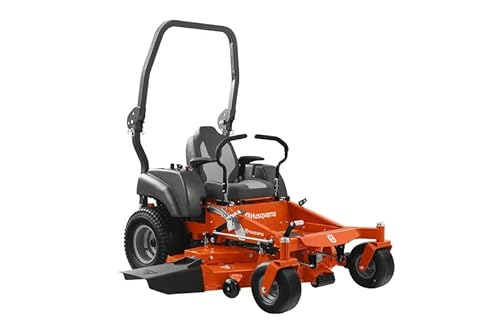
The best zero turn mowers for residential use are the Husqvarna Z242F (42 inch) and Z254F (54 inch), the Cub Cadet Ultima ZT1 in 42 and 50 inch decks, the Toro TimeCutter and the Ariens IKON 52. All of them pair a fabricated or heavy-steel deck with a 21 to 24 horsepower V-twin engine and hydrostatic drive, and they are sized for homeowners with one to four acres rather than for commercial crews.
A residential zero-turn is a big purchase, and brochures make most models sound identical. This guide compares six gas zero-turns by deck width, engine and warranty, then uses a simple formula to turn deck width and speed into real mowing time per acre. That makes it easier to choose the best zero turn mowers for home use at 1, 2 or 3 acres without overbuying.
Our top picks


As an Amazon Associate we earn from qualifying purchases at no extra cost to you.
Key takeaways
- A 42 inch zero-turn suits about 1 to 2 acres and fits through a standard gate; 50 to 54 inch decks suit 2 to 4 acres of open lawn.
- Engine brand matters less than deck build, warranty length and how close the nearest dealer is.
- Maker horsepower ratings vary between pages; confirm the exact engine on the model you are quoted.
- Real mowing speed is well below top speed: expect around 60 to 70 percent of the theoretical figure.
- Zero-turns need slope care: treat the manual’s slope limit as a hard line.
Best Zero Turn Mowers for Residential Use Compared
| Model | Deck | Engine (maker or listing) | Top speed (maker) | Best for |
|---|---|---|---|---|
| Husqvarna Z242F | 42 in fabricated | 21.5 hp Kawasaki | 6.5 mph | 1 to 2 acres, gates |
| Husqvarna Z254F | 54 in fabricated | Kawasaki FR V-twin (listing says 23 hp; maker page says 24 hp) | 6.5 mph | 2 to 4 acres, open lawns |
| Cub Cadet Ultima ZT1 42 | 42 in | 21.5 hp Kawasaki FR | Check maker page | 1 to 2 acres |
| Cub Cadet Ultima ZT1 50 | 50 in | 23 hp Kawasaki | Check maker page | 2 to 3 acres |
| Toro TimeCutter | 42 or 50 in | 42 in: 22.5 hp Toro V-twin | Check maker page | Easy-to-find dealer support |
| Ariens IKON 52 | 52 in fabricated | 23 hp Kawasaki FR691V | 7 mph | 2 to 3 acres, lights included |
The figures come from maker pages and retailer listings; when two sources disagreed (for example on horsepower) we say so. Always confirm the engine and deck on the exact model number you are quoted.
How We Chose These Zero-Turns
This is a research-based list. We did not personally use these machines. We compared maker pages, current listings and independent write-ups, and kept models sold as whole gas zero-turn mowers for homeowners, with a deck of 42 inches or more and a named engine. The Husqvarna models were confirmed in the shop catalog we use for product data. Cub Cadet, Toro and Ariens whole machines are sold mainly through dealers and were not in that catalog, so for those we rely on maker pages and write at the level of detail we can support. Close alternatives appear under Also Consider.
Acres, Deck Width and Real Mowing Time
Marketing talks about acres per hour, but the number is easy to calculate. Acres per hour equals speed in mph times cutting width in feet times 0.1212 (the factor converts the units). That is a theoretical maximum on straight passes with no overlap. Turns, overlap, trimming and emptying the clippings lower it, so planners often use 60 to 70 percent of the theoretical figure.
| Deck | Width in feet | Theoretical acres per hour | Planning rate (about 65 percent) | Time for 2 acres (approx.) |
|---|---|---|---|---|
| 42 in | 3.5 | about 2.8 | about 1.8 | about 1.1 hours |
| 50 in | 4.2 | about 3.3 | about 2.1 | about 0.95 hours |
| 52 in | 4.3 | about 3.4 | about 2.2 | about 0.9 hours |
| 54 in | 4.5 | about 3.5 | about 2.3 | about 0.9 hours |
That table shows why bigger is not always better: going from 42 to 54 inches saves roughly 12 minutes on 2 acres, while costing you gate clearance and a higher cost tier. The extra width pays off on 3 acres and up, or on lawns that are open and flat.
Best Zero Turn Mowers for 2 Acres and 3 Acres: Quick Picks
| Your property | Deck | Start with |
|---|---|---|
| 1 acre, trees and beds, narrow gate | 42 in | Husqvarna Z242F, Cub Cadet Ultima ZT1 42 |
| 2 acres, mostly open | 50 to 52 in | Cub Cadet Ultima ZT1 50, Ariens IKON 52 |
| 3 acres, open and flat | 52 to 54 in | Husqvarna Z254F, Ariens IKON 52 |
| 3 to 4 acres, rougher ground | 54 in or larger, heavier frame | Husqvarna Z254F; also look at Z254FX or MZ61 |
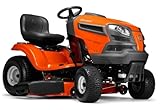
1. Husqvarna Z242F: Best Compact Zero-Turn
- 42 in fabricated deck · 21.5 hp Kawasaki engine
- 6.5 mph forward speed (maker figure)
- Hydrostatic zero-turn drive
- Compact enough to fit through standard gates
Best for: 1 to 2 acres with gates, trees and beds. Skip if: you have 3 or more acres of open lawn.
Pros: fabricated deck at a compact size; Kawasaki engine; strong dealer presence.
Cons: fewer acres per hour than the bigger decks; confirm the exact trim, as special editions differ.
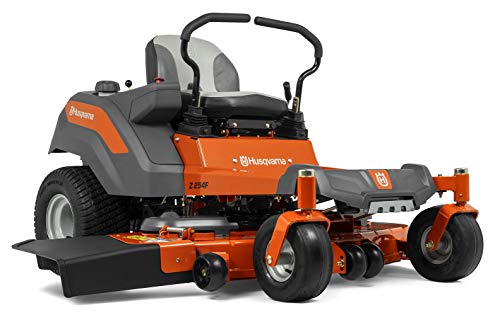
2. Husqvarna Z254F: Best for Open Acreage
- 54 in 10-gauge fabricated deck, three blades
- Kawasaki FR V-twin: maker page lists 24 hp, retailer listings say 23 hp
- 6.5 mph forward speed (maker figure)
Best for: 2 to 4 acres of mostly open lawn. Skip if: your narrowest gate is under about five feet.
Pros: wide fabricated deck; well-known Kawasaki engine; one of the most widely sold residential zero-turns.
Cons: wide deck needs room to store and turn; horsepower figures differ by source, so confirm the spec sheet.
3. Cub Cadet Ultima ZT1 42: Best Warranty Story at 42 Inches
- 42 in deck · 21.5 hp Kawasaki FR Series engine
- 3-year warranty with no hour limit (maker material)
- Hydrostatic zero-turn
Best for: homeowners who care about warranty terms and a compact deck. Skip if: you need a wider cut.
Pros: stated warranty without an hour cap; Kawasaki engine; compact size.
Cons: check which trim is current; whole machines are sold through dealers and big stores, so availability varies.
4. Cub Cadet Ultima ZT1 50: Best Mid-Size Deck
- 50 in deck · 23 hp Kawasaki engine
- Same ZT1 platform as the 42 in model
Best for: 2 to 3 acres where a 54 in deck feels too big. Skip if: you have a narrow gate.
Pros: wider deck than the 42; same platform and warranty approach.
Cons: confirm the current engine and warranty; sources differ on price tier, so check the dealer quote.
5. Toro TimeCutter: Best for Dealer Support
- 42 in model: 22.5 hp Toro commercial V-twin, residential engine warranty listed as 3 years with no hour limit
- 50 in model also offered; engine and trim vary, so check the maker page
- Zero-turn residential line
Best for: buyers who want a large service network and a straightforward residential line. Skip if: you want a fabricated-deck machine at the lowest cost tier.
Pros: widely sold and serviced; clear warranty terms on the 42 in; a long-established name.
Cons: the lineup changes by year; verify deck construction and engine on the exact model.
6. Ariens IKON 52: Best Feature Set for the Deck Width
- 52 in fabricated deck · 23 hp Kawasaki FR691V engine
- 7 mph forward speed (maker material)
- Lights listed as standard
Best for: 2 to 3 acres with a wide deck and standard lights. Skip if: you need the narrowest possible footprint.
Pros: a faster rated top speed; lights included; Kawasaki engine.
Cons: sources disagree on deck gauge between trims, so confirm which version you are getting.
Also Consider
- Husqvarna Z254FX (54 in): listed with a 22 hp, 726cc Kawasaki engine and a fabricated deck.
- Husqvarna MZ61 (61 in): 24 hp Kawasaki with a rollover protection system; a bigger step up for large lots.
- Husqvarna Xcite Z375 (60 in): 26 hp Kohler V-twin per listing; a higher cost tier for 4-plus acres.
- Craftsman zero-turns: Craftsman sells Z-series zero-turns; check the maker page for current models and decks.
Buying Guide: How to Choose a Residential Zero-Turn
Deck width and gates
Measure your narrowest gate and add a margin of several inches. A 54 inch deck needs a gate wider than 54 inches, which many fences do not have. A 42 inch deck goes through a standard 48 inch gate with room to spare.
Engine
Residential zero-turns commonly use 21 to 24 hp V-twins from Kawasaki, Kohler, Briggs and Stratton or Toro. A higher number gives more reserve in thick grass, but build quality and warranty matter as much as horsepower.
Deck construction
Fabricated (welded) decks are thicker and stiffer than stamped decks and are usually found on higher cost tiers. Stamped decks are lighter and cheaper. A 10-gauge fabricated deck is a common spec for premium residential machines.
Transmission
Residential zero-turns use hydrostatic drives. Look at the maker’s note on service intervals, and check whether the transmission is serviceable.
Seat, suspension and controls
If you will ride for an hour or more, a high-back seat and some suspension make a noticeable difference. Check lever feel and the parking brake design at a dealer.
Warranty
Compare engine, frame and deck warranties separately and look at hour limits. A 3-year warranty without an hour cap is generous compared with one that stops at 300 hours.
Slopes and safety
Zero-turns steer by braking one wheel, so they can slip on wet or steep grass. Use the slope limit in the manual (often in the range of 10 to 15 degrees, but check yours) and plan routes that avoid steep banks.
Dealer and parts
A machine with a dealer five miles away is easier to own than a similar one that must be shipped for repairs. Ask about delivery, set-up and pre-delivery service.
What to Check at the Dealer Before You Sign
A zero-turn is a machine you should sit on before you buy. Ask the dealer to let you try the controls on a flat area, even if only for a few minutes, and use this checklist.
| Check | What good looks like |
|---|---|
| Lap bar feel | Smooth and progressive, with no sudden jerk when you start or stop |
| Seat and legroom | You can reach the pedals and bars without stretching; a high back is comfortable for long mows |
| Deck lift and height | One-hand lift is easy; heights cover at least 1.5 to 4.5 inches |
| Frame and deck welds | Clean, thick welds on fabricated decks; no flexing when you push the deck |
| Service access | You can reach the oil filter, air filter and grease points without removing panels |
| Delivery and set-up | The dealer assembles, fills fluids and checks it before delivery |
| Parts and warranty paperwork | Warranty terms are given in writing, with hour limits clearly stated |
Hydrostatic Drive in Plain Language
A hydrostatic transmission uses hydraulic fluid and pumps to drive each rear wheel, which is what lets a zero-turn pivot in place. For homeowners it means no clutch or gear shifting: you push the bars forward to go, pull back to stop or reverse, and move one bar more than the other to turn. Two points are worth knowing. First, some residential models have sealed transmissions with no routine fluid service, while others expect a fluid change after a set number of hours, so read the maintenance chart. Second, the transmission can overheat if you work it hard on steep slopes or tow heavy loads, so stay inside the manual’s limits.
Mowing Patterns That Make a Zero-Turn Efficient
- Mow the perimeter first, one or two passes, so you have room to turn at the ends.
- Work in straight stripes and overlap each pass by two to four inches to avoid missed strips.
- Use gentle, wide turns at the ends rather than sharp pivots, which tear the turf and wear tires.
- Alternate the stripe direction each mow to reduce ruts and keep grass upright.
- Leave trimming around trees and beds for last, and use the zero-turn’s pivot for tight corners at low speed.
- Do slopes up and down in line with the manual’s guidance, and avoid sudden stops on a grade.
Storing and Hauling a Zero-Turn
A 42 to 54 inch zero-turn is about the same footprint as a small cart, and it needs a dry spot with a flat floor. Cover it if it must live outdoors, and keep the battery charged in cold weather. If you plan to move it between properties, check the ramp angle and the weight rating of your trailer, and chain it down with the parking brake on, following the owner’s manual.
Common Buying Mistakes
- Buying the widest deck by default. A 60 inch deck is slower to use on a lawn with a narrow gate and many obstacles than a 42 or 50 inch deck.
- Judging by horsepower alone. A 24 hp engine in a flimsy frame is not better than a 21.5 hp engine in a stiff fabricated deck.
- Ignoring service. A model from a brand with no local dealer can sit for weeks waiting for a part.
- Underestimating slopes. A lot with steep banks may need a tractor or a stand-on mower for part of the property.
- Forgetting the extras. Budget for a bagger, a hitch kit, a cover and the first oil change.
- Assuming specs never change. Maker pages update for each model year, so confirm the spec on the exact serial and trim you are quoted.
Residential vs Commercial-Grade Zero-Turns
Some of the models above (Husqvarna Z254F, Ariens IKON) borrow features from commercial lines, and the Husqvarna MZ61 and Xcite series sit closer to pro territory. If you are choosing between a homeowner model and a commercial one, this is how the trade-off looks.
| Factor | Residential models | Commercial-grade models |
|---|---|---|
| Typical use | 25 to 100 hours a season | Hundreds of hours a season |
| Deck | Stamped or lighter fabricated | Heavy fabricated, thicker steel |
| Cost tier | Lower | Significantly higher |
| Warranty | Shorter, often with hour caps | Longer, with commercial terms |
| Comfort | Simpler seat and suspension | Better seat, more adjustability |
| Best for | 1 to 4 acre homes | Large estates and mowing businesses |
For most households, a residential or prosumer machine such as the ones in this guide is the better value. Commercial-grade machines make sense when you mow many hours a week or on rough ground.
Zero-Turn or Lawn Tractor for a Home Lot?
If you are still deciding between types, the main differences are speed, slopes and comfort. A zero-turn finishes open lawns faster and trims closer around obstacles, but a lawn tractor is steadier on hills, easier for first-time riders and often cheaper to buy. If your lot has steep banks, ditches or soft ground, give the tractor a serious look before you commit to a zero-turn.
Maintenance That Protects a Zero-Turn
- Change engine oil and the filter at the interval in the manual, and always after the first break-in period.
- Grease the zerks (fittings) on the spindles and caster wheels on schedule.
- Check tire pressure, which affects the cut and the ride.
- Sharpen or replace blades twice a season and keep them balanced.
- Clean the deck after each mow to avoid rust and clumping.
- Replace the air filter and fuel filter as directed, and use fuel stabilizer for the winter.
FAQ
How many acres can a residential zero turn mower handle?
A 42 inch deck is comfortable for 1 to 2 acres, a 50 to 54 inch deck for 2 to 4 acres, and larger decks beyond that. These are planning figures, not maker ratings.
What is the best zero turn mower for 2 acres?
A 50 to 52 inch model such as the Cub Cadet Ultima ZT1 50 or Ariens IKON 52 fits 2 acres of open lawn, while a 42 inch Husqvarna Z242F suits a 2 acre lot with many obstacles.
What is the best zero turn mower for 3 acres?
A 54 inch machine such as the Husqvarna Z254F, or the 52 inch IKON, covers 3 open acres in roughly 1.3 to 1.5 hours at planning rates.
Is a Kawasaki engine better than a Kohler or Briggs?
Each has a good reputation. Choose on the full machine: deck, warranty and dealer support matter at least as much as the engine badge.
Are zero-turns safe on hills?
Only within the maker’s slope limit. They can slide on wet or steep grass because the rear wheels do the steering. A lawn tractor is steadier on hills.
Is a zero-turn better than a lawn tractor?
For open lawns with obstacles, yes: it is faster and turns tightly. For steep or bumpy lots, a tractor is usually safer and more comfortable.
How often should I service a zero-turn?
Follow the owner’s manual: typically an oil change each season or every 50 hours, grease points every 25 hours and blade checks every few mows.
Do I need a bagger on a zero-turn?
Most owners mulch or side-discharge and skip the bagger, which adds weight and cost. A bagger helps if you want a tidy look in fall or spring, but check that your model supports one.
Can a zero-turn tow a cart or spreader?
Many can pull light loads such as a small cart or tow-behind spreader, but ratings vary. Check the towing capacity and hitch in the owner’s manual, and avoid towing on slopes.
What fuel do residential zero-turns use?
Regular unleaded gasoline within the ethanol limit stated in the manual. Use fuel stabilizer if the machine sits for more than a month.
Which One Should You Buy?
- 1 to 2 acres with gates and beds: Husqvarna Z242F or Cub Cadet Ultima ZT1 42.
- 2 to 3 acres of open lawn: Cub Cadet Ultima ZT1 50 or Ariens IKON 52.
- 3 to 4 acres: Husqvarna Z254F.
- Biggest dealer network: Toro TimeCutter.
Sources
- Husqvarna, Cub Cadet, Toro and Ariens maker pages
- Retailer and shop listings for the Husqvarna models
- Independent zero-turn buying guides
Last updated: November 2026
More from Amazon
Programs that pair well with the guide above. Offers and eligibility are set by Amazon and may change.
A free business account with business pricing and bulk-buying tools for work, shop or home office.
Create a business accountFree shipping on eligible items, Prime Video and more. Eligible new members can start with a free trial.
Start a Prime free trialAudiobooks and podcasts to listen to on the go. Eligible new members can start with a free trial.
Try Audible freeAd-free music streaming. Eligible new subscribers can start with a free trial.
Try Music Unlimited freeAs an Amazon Associate we earn from qualifying purchases.