Key takeaways
- Airflow: CFM matters more than headline PSI for sprinkler blowouts. Look for a compressor that can deliver steady airflow at a moderate pressure rather than chasing the highest maximum PSI.
- Pressure control: Use a regulator and follow the irrigation manufacturer’s limits. Many residential systems should be blown out at relatively low pressure, especially when PVC or delicate components are involved.
- Tank size: A larger tank gives you a useful initial burst, while a strong pump determines how quickly the compressor recovers between zones. For larger systems, both features are valuable.
- Portability: Wheels and a manageable footprint make it easier to move from the garage to the outdoor connection. Pancake compressors are convenient; vertical models save floor space but are less nimble.
- Noise and maintenance: Oil-free compressors are convenient for home use, while quieter designs are friendlier in residential neighborhoods. Check the duty cycle and allow cooling time during a long blowout.
Blowing out an irrigation system sounds simple until a small compressor stalls at the first zone, the pressure drops before the water clears, or an overconfident blast damages a sprinkler component. The right setup needs enough airflow to move water through the piping without treating the system like a shop air tool.
This guide compares practical compressors for seasonal sprinkler winterization, from quiet one-gallon units to larger vertical models. I’m focusing on usable airflow, recovery, portability, noise, and the everyday details that matter when you are working around a house, garage, or finished yard.
Our top picks




As an Amazon Associate we earn from qualifying purchases at no extra cost to you. Ratings are shown as listed on Amazon.
🛒 Best Price Today on Amazon
Prime members get fast, free shipping on everything above, plus member-only deals. New members get a 30-day free trial — cancel anytime.
How to Choose an Air Compressor For Sprinkler Blow Out (2026)
- Airflow: CFM matters more than headline PSI for sprinkler blowouts. Look for a compressor that can deliver steady airflow at a moderate pressure rather than chasing the highest maximum PSI.
- Pressure control: Use a regulator and follow the irrigation manufacturer’s limits. Many residential systems should be blown out at relatively low pressure, especially when PVC or delicate components are involved.
- Tank size: A larger tank gives you a useful initial burst, while a strong pump determines how quickly the compressor recovers between zones. For larger systems, both features are valuable.
- Portability: Wheels and a manageable footprint make it easier to move from the garage to the outdoor connection. Pancake compressors are convenient; vertical models save floor space but are less nimble.
- Noise and maintenance: Oil-free compressors are convenient for home use, while quieter designs are friendlier in residential neighborhoods. Check the duty cycle and allow cooling time during a long blowout.
The Best Air Compressor For Sprinkler Blow Out (2026)s Reviewed
Klutch 20-Gallon Air Compressor
The Klutch 20-Gallon Air Compressor is a strong all-around choice for homeowners with several zones or longer runs of pipe. Its 2 HP motor, 175 PSI tank, and 4.2 SCFM at 90 PSI offer more reserve than compact pancake units, while the vertical oil-free design keeps maintenance straightforward. The wheels help, but this is best treated as a garage-based compressor rather than a grab-and-go tool.
Metabo HPT 6-Gallon Pancake Compressor
Metabo HPT’s 6-gallon, 200 PSI EC914S is a practical middle ground for typical residential systems. Its 4 CFM flow rate provides useful recovery, and the pancake format is easy to store and carry. It is also versatile enough for brad nailers, framing tools, and general home projects after the sprinkler season ends.
DEWALT DWFP55126 Pancake Compressor
The DEWALT DWFP55126 is a dependable pick for smaller irrigation layouts and buyers who want a familiar, compact machine. Its 6-gallon tank, 165 PSI maximum, and 2.6 SCFM at 90 PSI are adequate for working zone by zone, though it may cycle more often on extensive systems. The oil-free pump and maintenance-free design make it especially approachable for occasional DIY use.
Klutch 29-Gallon Air Compressor
For a larger property, the Klutch 29-Gallon Air Compressor gives you valuable breathing room. Its 2.5 HP motor and 5.1 CFM at 90 PSI improve recovery when you are moving through multiple zones, and the tall tank stores a useful reserve before each cycle. It takes more garage space, but the added capacity can make a long seasonal job less frustrating.
Metabo HPT EC28M Quiet Compressor
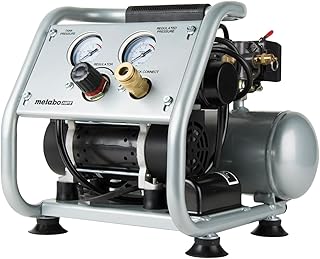
The Metabo HPT EC28M stands out when low noise and easy handling matter most. At 59 dB, it is far more neighbor-friendly than many traditional compressors, and its one-gallon tank is compact enough for tight storage. It is best suited to a small system or careful, one-zone-at-a-time work—not a large irrigation network where constant recovery is required.
Frequently Asked Questions
How much PSI do I need to blow out sprinkler lines?
Usually less than the compressor’s maximum rating. The safe setting depends on the pipe material and irrigation equipment, so start low, use a regulator, and stay within the system manufacturer’s guidance. More pressure is not automatically better.
Is tank size or CFM more important?
Both play different roles. Tank size supplies an initial burst, while CFM controls how well the compressor keeps up. For several zones, prioritize useful CFM and recovery, then choose the largest practical tank your storage space allows.
Can a one-gallon compressor blow out a sprinkler system?
It can handle a small system when you work slowly and isolate each zone. Expect frequent cycling and longer pauses. A six-gallon or larger compressor is generally more convenient for whole-house irrigation.
Should I leave the sprinkler valves open during blowout?
Follow the instructions for your specific system and backflow assembly. Open only the appropriate zone or outlet at a time, monitor the discharge, and stop once the water has cleared. Never improvise around a backflow preventer without understanding its operating requirements.
Final Thoughts
The Klutch 20-Gallon is the best balanced choice for larger home systems, while the Metabo HPT 6-Gallon offers an excellent mix of portability and airflow. For a compact, quiet setup, the Metabo HPT EC28M is convenient—but only if your irrigation layout is small enough to work zone by zone.