Key takeaways
- Truly light-free vs. light-optional: Some fans omit lighting entirely; others include a module you can leave off. If you want zero downlight, confirm the housing looks finished without the kit — a few models leave an exposed wiring cavity that looks unfinished from below.
- Motor type: DC motors draw roughly 60–70% less power than AC units, run noticeably quieter, and typically give you six speeds instead of three. AC motors are cheaper up front and often pull-chain simple, which some people genuinely prefer.
- Blade span vs. room size: Figure 42–44 inches for a bedroom or small office, 52 inches for most living rooms, and 60 inches for open-plan spaces or anything over 400 square feet. Undersizing means running high speed constantly.
- Mount type and ceiling angle: Flush and low-profile mounts suit ceilings under eight feet. Anything sloped needs a fan rated for the pitch plus the correct downrod — check the listed degree limit before you buy, not after.
- Damp or wet rating: Covered patios and porches need a damp-rated fan minimum. Indoor-only motors will corrode outdoors, warranty voided, no exceptions.
What's inside
Shopping for a ceiling fan without a light kit sounds like it should be simple — fewer parts, fewer decisions. In practice it’s the opposite. Most manufacturers push lit models because they sell better, so the light-free options get buried, and half the listings that claim “no light” actually ship with a removable LED module you’ll be unscrewing on a ladder. If you’ve already got recessed cans, a pendant over the bed, or you just don’t want a glowing puck staring down at you at 2 a.m., you need fans that were designed light-free from the start.
I’ve hung enough fans to know where the frustration hides: downrod lengths that don’t match sloped ceilings, canopy plates that won’t cover an oversized box, and remote receivers crammed into housings with no room to spare. This guide sorts through the current crop of no-light and light-optional ceiling fans, covers what actually matters during install and daily use, and breaks down the models worth your money in 2026.
As an Amazon Associate we earn from qualifying purchases.




🛒 Best Price Today on Amazon
Prime members get fast, free shipping on everything above, plus member-only deals. New members get a 30-day free trial — cancel anytime.
How to Choose a Ceiling Fan No Light (2026)
- Truly light-free vs. light-optional: Some fans omit lighting entirely; others include a module you can leave off. If you want zero downlight, confirm the housing looks finished without the kit — a few models leave an exposed wiring cavity that looks unfinished from below.
- Motor type: DC motors draw roughly 60–70% less power than AC units, run noticeably quieter, and typically give you six speeds instead of three. AC motors are cheaper up front and often pull-chain simple, which some people genuinely prefer.
- Blade span vs. room size: Figure 42–44 inches for a bedroom or small office, 52 inches for most living rooms, and 60 inches for open-plan spaces or anything over 400 square feet. Undersizing means running high speed constantly.
- Mount type and ceiling angle: Flush and low-profile mounts suit ceilings under eight feet. Anything sloped needs a fan rated for the pitch plus the correct downrod — check the listed degree limit before you buy, not after.
- Damp or wet rating: Covered patios and porches need a damp-rated fan minimum. Indoor-only motors will corrode outdoors, warranty voided, no exceptions.
The Best Ceiling Fan No Light (2026)s Reviewed
Sofucor 52″ Wood Ceiling Fan, No Light
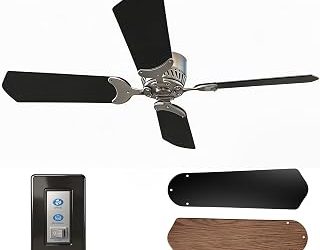
This is my default recommendation for anyone who wants a genuinely light-free fan that doesn’t look like something got removed — the three-blade wood profile reads as intentional design, and the DC motor is quiet enough for a bedroom at speed two or three. Damp-rated for covered outdoor use, remote included, and the reversible winter mode actually makes a difference in rooms with high ceilings.
60″ Wood Ceiling Fan Without Light (Walnut)
If you’re moving air through an open living-dining space or a large primary bedroom, the extra eight inches of span matters more than any speed setting will. It handles both flat and sloped ceilings out of the box, and the walnut finish is warm enough to work with mid-century and farmhouse furniture without looking like a compromise.
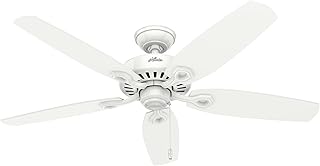
Hunter Builder Elite 52″, No Light
The pull-chain, no-remote, no-app approach is a feature, not a limitation — nothing to pair, nothing to lose, nothing to fail in three years. Hunter’s WhisperWind motor has earned its reputation, and the Snow White finish disappears against a standard ceiling, which is exactly what you want in a rental or a room where the fan isn’t the focal point.
TCL 52″ Low Profile Flush Mount Fan
For ceilings hovering around eight feet, this flush-mount design buys you critical headroom while still delivering 52 inches of blade span. The LED light is dimmable if you want it, and the six-speed DC motor runs quietly enough that I’d put it in a nursery — a solid pick when you need light-optional flexibility rather than none at all.
DREO 42″ Low Profile Fan with Light
At 22dB, this is the quietest fan on the list by a real margin, and the quick-install bracket genuinely shaves time off a solo hang. The 42-inch span suits bedrooms and offices, and the 5CCT color tuning means you can dial the light warm for evenings — worth considering if your no-light requirement is more of a preference than a hard rule.
Frequently Asked Questions
Can I add a light kit later to a no-light fan?
Only if the fan was built for it. Fans designed light-free often have no wiring stub or mounting threads in the housing. Check the manual for a compatible light kit part number before assuming it’s possible.
Does a DC motor need a special wall switch?
No, but never put a DC fan on a standard dimmer or fan-speed rotary switch — that will damage the controller. Wire it to a plain on/off switch and control speed through the remote or app.
How much headroom do I need for a flush-mount fan?
Building code wants blades at least seven feet off the floor. A flush-mount fan typically hangs 8–11 inches from the ceiling, which clears fine on an eight-foot ceiling.
Will one fan cool a whole open floor plan?
Rarely. A 60-inch fan moves a lot of air, but open plans usually need two fans spaced 12–15 feet apart to avoid dead zones near the perimeter.
Final Thoughts
For most buyers, the Sofucor 52″ Wood Fan hits the sweet spot — genuinely light-free, quiet DC motor, and it holds up on a covered patio. Choose the 60″ Walnut Fan if you’re covering serious square footage, or the Hunter Builder Elite if you want a proven motor and zero electronics to troubleshoot down the road.