Key takeaways
- Buy 30% above your weight: Rated capacity is a static figure measured in a lab, not a dynamic one. Sitting down quickly, leaning back, or rolling over a threshold multiplies the load briefly. If you are 380 pounds, shop 500-pound chairs and up, not 400.
- Check the base and cylinder: A five-star steel or cast aluminum base outlives glass-filled nylon under sustained load. For the lift, look for a Class 4 (BIFMA) gas cylinder with a wide bore. It is the single most common failure point and, thankfully, the cheapest to replace yourself later.
- Measure the seat, not the chair: You want at least 22 inches of usable seat width between armrests, plus 20 inches of depth so your thighs are supported without the front edge cutting circulation behind your knees. Take a tape measure to the chair you sit in now.
- Choose the right foam: Pocket spring cushions hold their shape considerably longer than single-density foam, which compresses into a hard pancake within a year at higher body weights. High-density molded foam is the acceptable second choice; thin cut foam is not.
- Look for real lumbar adjustment: A pad that moves up, down, and forward beats a fixed molded curve every time, because the curve is drawn for an average spine that nobody actually has. Bonus points for flip-up arms that let you tuck fully under a desk.
What's inside
Anyone who has flipped a failing office chair upside down on the garage floor knows the story it tells. The nylon base has stress-whitened around the caster sockets, the gas cylinder weeps a little oil, and the seat pan plywood has cracked along the grain where the weld nuts pull through. None of that is bad luck. It is a chair built to a 250-pound spec being asked to carry 320 pounds, eight hours a day, five days a week. Standard task chairs are engineered right up to the edge of their rating, and once you cross it, the failure moves from “annoying squeak” to “structural.”
This guide looks at big and tall office chairs the way a maker would size any load-bearing build: rated capacity first, then the parts that actually take the load. We cover what separates a real 500-pound frame from a marketing number, which components you should inspect during assembly, and six chairs currently worth your money in 2026. Every pick below is judged on base material, cylinder class, seat width, and how well the whole assembly holds up once real weight settles into it.
As an Amazon Associate we earn from qualifying purchases.


🛒 Best Price Today on Amazon
Prime members get fast, free shipping on everything above, plus member-only deals. New members get a 30-day free trial — cancel anytime.
How to Choose a/an Office Chair Large Person (2026)
- Buy 30% above your weight: Rated capacity is a static figure measured in a lab, not a dynamic one. Sitting down quickly, leaning back, or rolling over a threshold multiplies the load briefly. If you are 380 pounds, shop 500-pound chairs and up, not 400.
- Check the base and cylinder: A five-star steel or cast aluminum base outlives glass-filled nylon under sustained load. For the lift, look for a Class 4 (BIFMA) gas cylinder with a wide bore. It is the single most common failure point and, thankfully, the cheapest to replace yourself later.
- Measure the seat, not the chair: You want at least 22 inches of usable seat width between armrests, plus 20 inches of depth so your thighs are supported without the front edge cutting circulation behind your knees. Take a tape measure to the chair you sit in now.
- Choose the right foam: Pocket spring cushions hold their shape considerably longer than single-density foam, which compresses into a hard pancake within a year at higher body weights. High-density molded foam is the acceptable second choice; thin cut foam is not.
- Look for real lumbar adjustment: A pad that moves up, down, and forward beats a fixed molded curve every time, because the curve is drawn for an average spine that nobody actually has. Bonus points for flip-up arms that let you tuck fully under a desk.
The Best Office Chair Large Person (2026)s Reviewed
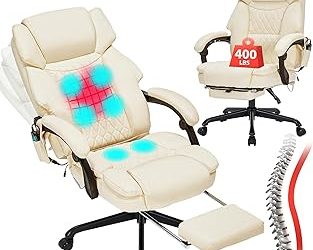
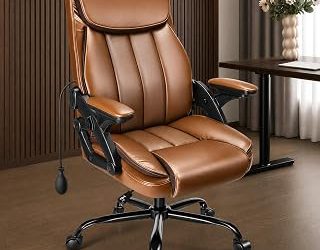
650lbs Big and Tall Leather Executive Chair
The highest-rated frame in this group, with a heavy steel base and a wide-bore cylinder that shrugs off all-day use. Built for genuinely long shifts, the padded leather upholstery and adjustable lumbar block make it the safest choice if you are anywhere near the 400-pound mark.
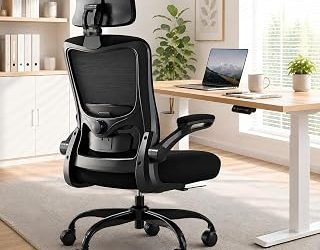
600lbs Heavy Duty Chair with 5D Flip Arms
The 5D armrests are the standout here: they slide, pivot, raise, and flip clear of the desk, which matters more than the spec sheet suggests once you are switching between typing and drafting. Dual rubber casters spread the load nicely and stay quiet on hardwood.
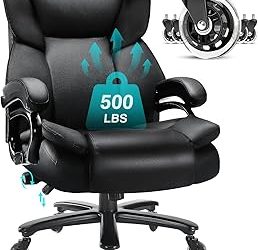
500lbs Big and Tall High Back Executive Chair
A well-balanced pick with a pocket spring cushion that resists the flattening you get from cheap foam, and a lumbar pad that adjusts rather than just existing. The rubber wheels roll clean without gouging floors, so you can skip the chair mat.
500lbs Extra Wide Executive Chair with Lumbar Support
The generous seat width and thick armrest padding make this the most forgiving option for broader shoulders and hips. The upgraded caster set and reinforced base give it a planted feel that lighter-duty chairs never quite manage.
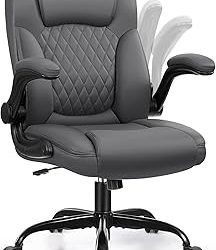
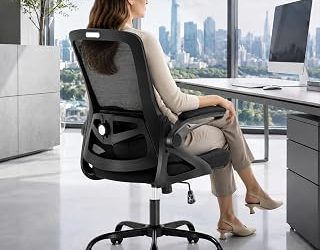
400lbs Big and Tall PU Leather Chair with Flip-Up Armrests
A sensible entry point if you are comfortably under 320 pounds and want the extra-wide seat without the executive price tag. The flip-up arms tuck it neatly under a standard desk, and the PU leather wipes clean in seconds.
Frequently Asked Questions
Do weight ratings include leaning back?
Not reliably. BIFMA testing is largely static and vertical, while reclining shifts load onto the tilt mechanism and back frame. Build in a margin.
Can I replace a worn gas cylinder myself?
Yes. Pop the caster base off with a pipe wrench and a rubber mallet, then fit a Class 4 replacement. It is a fifteen-minute job and restores most sagging chairs.
Is mesh or leather better for heavy users?
Leather over a spring cushion generally wins on durability at higher weights. Mesh seat pans stretch and sag; mesh backs, however, breathe beautifully and are fine.
How long should assembly take?
Around 30 minutes. Tighten every bolt in a cross pattern by hand first, then torque down fully once the frame is square.
Final Thoughts
If you want maximum headroom on capacity, the 650lbs Big and Tall Leather Executive Chair is the most over-built option here and the one least likely to need replacement parts. The 600lbs chair with 5D Flip Arms is the better all-rounder for a shared or multi-task desk, while the 500lbs High Back Executive Chair delivers the best pocket spring comfort for the money.