Key takeaways
- Compare every identifier required by an official tool recall notice, keep unreadable codes unresolved, and record the specified next action.
What's inside
Match a tool to an official recall notice by comparing every identifier the notice requires, including the complete model, suffix, date code, serial range and any stated exceptions. A similar-looking tool or a matching brand name is not enough. Keep unreadable information marked unresolved and use the contact route in the current official notice.
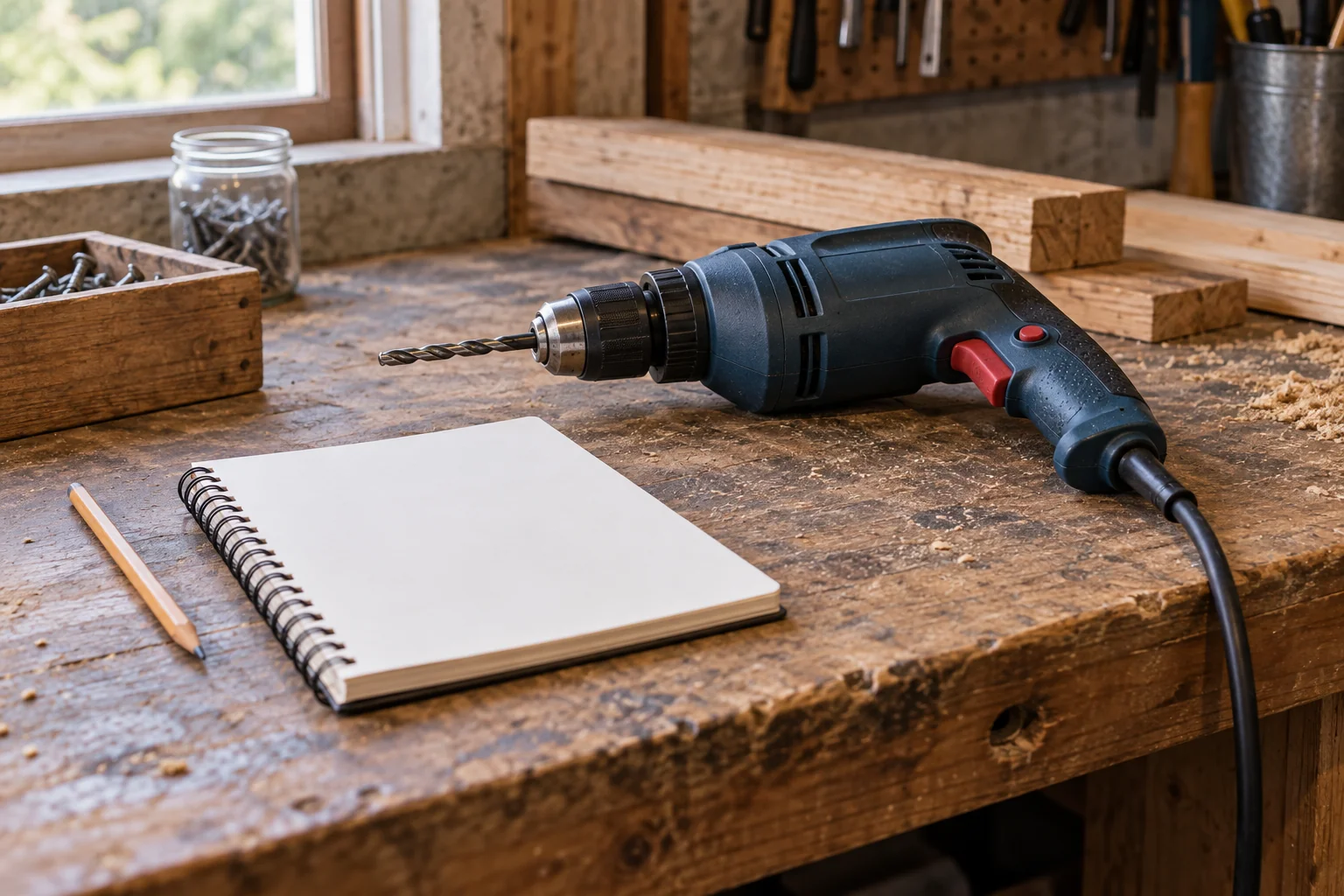
Start at the official notice
For a US product, find the relevant CPSC notice and the manufacturer’s current recall information. Save the notice title, number, link and date you checked it. Read the complete product description and remedy, not just the headline or a social-media photograph. A notice can identify several models while limiting the affected production range.
One specific example is CPSC recall 19-059 for DeWALT DWD110 and DWD112 drills. It identifies a date-code range and an exception for an X following the date code. It also says to contact the company when a date code cannot be found. Notably, its illustrative label photograph has a date code outside the recall range. This example shows why the written scope matters more than a picture match.
Use the remedy stated in the applicable notice. The cited drill notice directs users of recalled drills to stop using them and arrange the specified inspection and repair. Do not operate a questionable tool to see whether it exhibits the listed hazard.
Copy each identifier without simplifying it
Photograph accessible identification markings with the tool not operating and follow its instructions for safe handling. Do not open housings, remove safety labels or scrape a marking to make it easier to read. If the required marking cannot be accessed safely, ask the manufacturer how to identify the product.
Transcribe spaces, punctuation and letter suffixes as shown. Keep the model separate from the serial number and manufacturing code. A retail kit number on a box may describe several components; compare the identifier required for the actual component named in the notice.
| Required field | Your tool | Official notice | Result |
|---|---|---|---|
| Product and component | Tool, battery, charger or accessory | Exact item covered | Same item or unresolved |
| Complete model | Include all letters and suffixes | Named models | Match or difference |
| Production identifier | Copy date or serial code | Stated range or condition | Within scope or unresolved |
| Exception marking | Record only what is present | Exact exception wording | Requires confirmation? |
| Next step | Question to resolve | Published contact and remedy | Date and response reference |
Compare the complete scope
Read the requirements as a set. A matching model with an unreadable production code is not a completed check. Equally, a date inside a range does not establish that an unrelated model is included. Avoid treating a purchase date as a manufacturing date unless the notice specifically uses purchase timing as its criterion.
Do not assume a letter means the same thing across brands or notices. In the cited example, a particular trailing mark has a stated meaning. That does not create a universal rule that any marked tool has been repaired, inspected or excluded from every recall.
Worked example: the last character is unclear
Imagine an owner finds a notice for the same model printed on a corded drill. The production code is visible, but its final character is blurred in the first photograph. The owner records the model as matched and the final marking as unresolved. They do not select whichever reading would make the tool appear unaffected.
A clearer photograph is taken without altering the label. If the character remains uncertain, the owner sends the required identification information through the official support route. The record keeps the response and reference number with the photographs. This fictional workflow does not determine whether any particular tool is recalled.
Keep the result narrower than a safety certificate
Record which notice was checked and what the comparison established. “Not within this notice’s stated scope” is different from “safe forever” or “no recalls exist.” Other notices, wear, damage or a different component can raise separate questions. Check the battery or charger separately when a notice concerns one of those items.
If a tool is set aside while identification is unresolved, make its status clear to other users and follow the relevant instructions for handling and storage. Do not improvise a repair, lend it out or sell it as a way to avoid resolving the question.
Close the record after the official process
Save the manufacturer’s instructions, service confirmation and any updated identification details supplied after the remedy. Do not mark the process complete merely because a form was submitted. Keep the actual response and completion evidence, and follow any instructions that accompany the returned or replacement product.
The finished record should let someone else see the exact tool, the exact notice and the reason for the next action. That precision is the purpose of the worksheet; no generic checklist can replace the scope or remedy written for a specific recall.