The most common answer to why is my water heater popping is mineral sediment at the bottom of a storage tank. Heated water can collect beneath a crust of deposits and escape in bursts, producing a popcorn-like sound. Scale on an electric heating element is another possibility. Brief clicks from expanding pipes may be normal, while loud bangs after a faucet closes suggest water hammer rather than boiling inside the heater.
Quick Answer: First note whether the sound occurs during a heating cycle or immediately after water flow stops. Check for leaks, dripping relief discharge, or a gas odor before attempting maintenance. A model-approved tank flush often helps sediment-related rumbling, but persistent hissing, leaking, unsafe gas or electrical conditions, or stubborn noise calls for a licensed professional.
As an Amazon Associate we earn from qualifying purchases.
By DIY Ideas 4 Home Editorial Team
Why Your Water Heater Is Popping: Common Causes
Sound timing tells you more than loudness alone. Rheem’s June 2026 guide, The Ultimate Guide to Water Heater Noises: What’s Normal (and What Isn’t), distinguishes routine clicks and soft ignition from rumbling, sizzling, and pressure-related noises. A tank heater normally makes some operational noise; a new or worsening popping pattern is a reason to identify the source rather than assume the tank is about to burst.
| Symptom or Sign | Likely Cause | First Check | DIY or Pro |
|---|---|---|---|
| Deep rumbling or popcorn sounds while heating | Mineral sediment beneath hot water | Review water hardness and flush history | Model-approved maintenance or plumber |
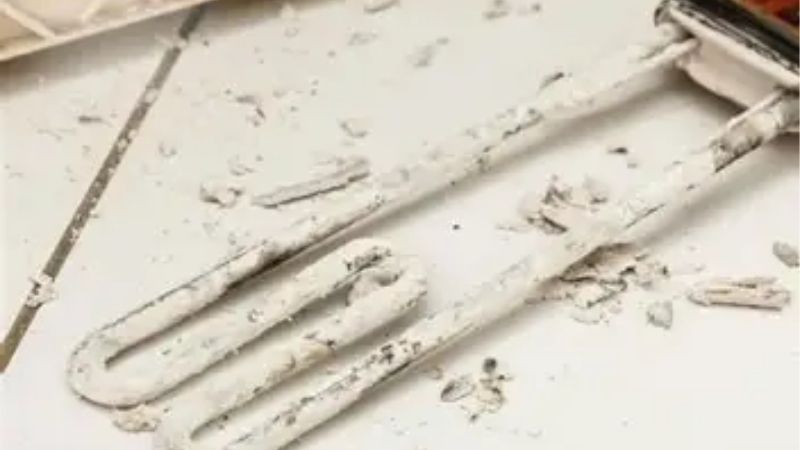
| Crackling or hissing from an electric tank | Scale on immersed heating elements | Note weak recovery or reduced hot water | Professional internal inspection |
| Crackling soon after a new tank is installed | Unusual aluminum hydroxide deposits | Ask about source-water chemistry | Qualified plumber and manufacturer |
| Sharp bang when a washer or faucet stops | Water hammer in connected plumbing | Correlate noise with valve closure | Plumber if recurrent or forceful |
| Brief ticks at startup or localized sizzling | Thermal movement or condensation; possibly leak | Check whether noise stops and area stays dry | Observe only if normal; pro for moisture |
1. Sediment Traps Water at the Tank Bottom
Dissolved calcium and other minerals can settle out of heated water, especially where the municipal or well supply is hard. Deposits collect above the hot surface of a gas-fired tank, and pockets of water trapped below the layer release small bursts of steam. A. O. Smith’s Technical Bulletin 13, Mineral Build-Up, identifies rumbling, crackling, and popping as characteristic signs of this buildup, rather than proof of a defective gas control.
Look for a sound that grows during heating and eases after the burner or elements stop. Longer recovery time or less usable hot water may accompany it, although those symptoms also have other causes. Sediment left untreated may interfere with heat transfer and maintenance access; flushing is the usual first response when the model’s manual permits it. Do not scrape or chemically descale a tank without manufacturer-approved instructions.
2. Scale Coats an Electric Heating Element
In an electric storage heater, heating elements are immersed in water. Mineral scale can form directly on their surfaces, creating sharp crackles or a sustained hiss rather than the lower rumble common in a gas-fired tank. Bradford White’s Internal Noises technical note specifically associates electric-element singing and hissing with lime deposits on the element blades. A related clue is slower heating or a reduced supply of hot water.
This is not a reason to remove an access cover while the heater is energized. Inspecting or replacing an element involves electrical isolation, draining, seals, and the correct replacement part for the model. A licensed technician can assess both elements, the thermostats, and any scaling. If the tank is later drained for service, it must be completely refilled before electric power is restored.
3. A New Tank Develops Unusual Gel Deposits
Less common than ordinary lime, aluminum hydroxide can produce gurgling or popping in certain newly installed heaters. A. O. Smith’s Technical Bulletin 14 describes a possible reaction between an aluminum anode and water with a relatively high pH, around 8 or above; its bulletin particularly discusses heaters installed for less than six months. The chemistry depends on the water and anode, so the age of the unit alone does not establish this diagnosis.
Colored gel-like particles at faucet aerators or in professionally collected drain water are a more useful clue than the sound by itself. The bulletin directs the remedy to people with licensed-trade-level ability because anode selection and tank cleaning depend on specific conditions. If a nearly new heater makes unexpected noises, contact the installer or manufacturer before attempting an anode swap that could affect the warranty.
4. Water Hammer Sounds Like Tank Popping
A short, hard knock at the exact moment a washing machine, dishwasher, or fast-closing faucet shuts off is more consistent with water hammer. Flowing water stops abruptly, and the pressure surge can shake unsupported piping. A. O. Smith’s water-heater troubleshooting guidance distinguishes these plumbing bangs from sediment noises generated during a heating cycle. The heater may simply be the place where you hear the vibration most clearly.
Have someone operate one fixture at a time while you listen from a safe distance. If the bang tracks a valve closure and not the heater’s thermostat cycle, flushing the tank will not treat the cause. Loose pipe supports, high supply pressure, and fast-closing valves may need assessment. A correctly selected water-hammer arrestor can help at an appropriate fixture, but installation location and pressure conditions matter.
5. Heat Expansion or Condensation Mimics Trouble
Small ticking noises as metal parts warm and cool can be ordinary thermal expansion. Certain gas tank heaters can also sizzle briefly if condensation forms and drips in the burner area during initial warm-up. The A. O. Smith ProLine Direct Vent owner’s manual, document 328740-000, distinguishes this temporary condition from the percolating noise associated with sediment. It is not permission to ignore sustained hissing or visible dripping.
Water on the floor, rust streaks, a wet draft hood, or moisture that persists after warm-up requires a different response. The source may be a loose fitting, relief-valve discharge, venting problem, or tank leak, and these cannot be sorted by sound alone. Do not block a relief discharge tube or reach into the combustion compartment to search for drips. If you cannot confirm the space stays dry, arrange professional inspection.
How to Fix a Popping Water Heater Step by Step
Start with observation before tools. A. O. Smith’s How to Drain and Flush a Water Heater and Rheem’s 2026 How Often to Flush Your Water Heater both present flushing as maintenance for tank-style heaters, but their directions must be reconciled with your exact model’s manual. These checks help decide whether a routine service visit is appropriate without turning a symptom guide into an unsafe drain-and-refill shortcut.
Step 1: Establish When the Noise Occurs
Write down whether the popping starts as the tank reheats after showers, only at night, or immediately when a fixture shuts off. From the outside, note whether you have a gas storage tank, electric tank, heat-pump tank, or tankless heater. Do not remove any cover or reach behind hot vent piping. A consistent warm-up rumble supports sediment; a single bang synchronized with a washer valve points toward the plumbing.
Stop this check if you smell fuel gas, see smoke, notice unusual burning odors, or hear persistent high-pitched screeching. A gas odor means leave the building and call the gas utility or emergency service from outside, without switching electrical devices on or off. For an electrical or leaking-water concern, isolate the appliance only if you can do so safely and follow its shutdown instructions.
Step 2: Look for Leaks Without Opening the Heater
Inspect the floor, visible supply connections, drain fitting, and temperature-and-pressure relief discharge outlet with your eyes, not bare hands. Photograph any drips or corrosion so a plumber can distinguish a leaking valve from a compromised tank. The relief valve and its discharge tube are critical safety devices: never cap the pipe, put a stopper in it, or assume discharge is harmless because the noise seems minor.
If there is no active leak, briefly run hot water into a cup and measure it with a suitable probe thermometer, keeping hands clear of the stream. The U.S. Consumer Product Safety Commission’s Avoiding Tap Water Scalds guidance identifies roughly 120 degrees F as a common residential anti-scald reference. Actual delivery temperature may differ from the dial and local health requirements; an unusually hot reading warrants professional attention rather than a blind thermostat adjustment.
Step 3: Check the Model and Water Conditions
Find the rating label and owner’s manual, then look up the manufacturer-approved sediment-maintenance interval. Ask the local water supplier for hardness information or check an existing water-quality report; mineral-rich water increases the likelihood of scale. The age of the heater, whether it has ever been serviced, and its warranty terms affect how aggressive maintenance should be. A neglected older drain valve may jam or leak when disturbed.
Rheem’s June 2026 How Often to Flush Your Water Heater recommends considering an annual flush in ordinary circumstances, with more frequent attention where water is hard. That is a maintenance starting point, not a schedule that overrides the exact model’s instructions. If a prior owner never serviced the appliance or you cannot identify the shutoff and drain fittings, a plumber-led first service is the safer choice.
Step 4: Decide Whether a Sediment Flush Is Safe
If the sound is heat-cycle rumbling, the tank is sound, and the manual authorizes homeowner maintenance, plan a cool-water sediment flush using the manufacturer’s full procedure. Common prerequisites include shutting off heat, allowing the contents to cool, routing drainage to a safe location, and keeping electricity off until the tank is completely full again. An older plastic drain fitting that is brittle or stuck is a reason to stop rather than force it.
Do not substitute acidic cleaners, remove heating elements, or open a gas connection to make the noise disappear. The separate DIY Ideas 4 Home guide on how to flush a water heater covers the sequence in greater detail; this article is about deciding whether sediment is actually the cause. If deposits remain after ordinary service, ask a professional whether an approved deliming procedure or replacement is economically sensible.
Step 5: Listen Again and Monitor the Result
After maintenance and a manufacturer-approved restart, compare the next normal heating cycle with your original notes. A quieter tank and more consistent hot-water recovery support the sediment explanation, although one silent cycle is not proof that every deposit is gone. Persistent crackling from an electric tank warrants an element evaluation; banging precisely when water stops points back to water hammer. Keep watching for new drips at a serviced drain valve.
Record the service date and any material found in drain water, especially if the heater is in a hard-water area. Do not keep flushing repeatedly when nothing changes: that can aggravate a weak valve without addressing the actual source. If the tank is old, has rust-colored water, or shows seepage near the jacket, ask for a repair-versus-replacement estimate before purchasing additional parts.
Products That Help
The ThermoWorks ThermoPop 2 TX-3120-RD has a 4.5-inch probe and can measure water collected at a faucet to check for unexpectedly high delivered temperature; it does not diagnose sediment inside the tank. Everbilt’s AFWHDV3 is a 3/4-inch MIP-to-3/4-inch MHT brass water-heater drain valve listed by Home Depot for replacing a faulty matching valve. Check the old heater’s thread size and material before buying it, and have a plumber handle replacement if the tank condition is uncertain.
If the symptom is a bang after a washing machine valve closes rather than heat-cycle popping, Oatey’s Quiet Pipes 38600 is a 3/4-inch hose-connection shock absorber intended for that fixture’s supply line. It is not a general water-heater sediment remedy. These are conditional tools, not a shopping list: a sound tank with sediment may require only the correct hose and an approved maintenance procedure, while leaks or internal heater faults need professional service.
When to Call a Pro
Call a licensed plumber promptly for wet insulation or a leak near the tank body, a dripping relief discharge, recurring loud rumbling after a careful flush, scalding temperatures, or a drain valve that will not open or reseal. A qualified technician can inspect pressure, the relief valve, anode, venting, and electric elements as appropriate. Ask the contractor to explain whether the source is sediment, a damaged component, or a separate plumbing problem.
Gas odor is an emergency rather than a routine plumbing appointment: leave and contact the gas provider or emergency responders from outside. A persistent sizzle at the burner, especially with moisture or venting concerns, also deserves prompt inspection. Never remove a fuel connection, bypass a safety control, or energize an electric storage heater that might be empty. Safety matters more than silencing the appliance.
Frequently Asked Questions
The same popping sound can mean different things in a storage tank, a heat-pump unit, or nearby pipes. These questions address what the noise does and does not prove.
Can a Popping Water Heater Explode?
Popping alone does not mean a tank is about to explode; sediment commonly explains the noise. What matters is whether the heater has independent danger signs such as leaking, extreme temperature, a malfunctioning relief valve, or uncontrolled pressure. Never plug or alter the relief outlet to stop a drip. Arrange professional evaluation if you see those signs, even if the popping later becomes quieter.
Will the Noise Stop by Itself?
Minor startup clicking may stop when metal finishes warming, but sediment-related popping tends to return during future heating cycles until the buildup is addressed. A temporarily quiet tank is not evidence that deposits have dissolved. If the noise began after heavy water use, compare several ordinary cycles and record the pattern. A clearly increasing rumble or other changes in hot-water performance justify maintenance.
Does a Tankless Heater Pop for the Same Reason?
Not necessarily. Tankless models heat water through a compact heat exchanger rather than holding a large storage volume, so a tank-bottom sediment diagnosis does not transfer directly. Mineral scale can still affect a tankless heat exchanger and may require model-specific descaling. Some sounds also come from ignition, fans, or plumbing. Consult the exact tankless manual; never follow storage-tank draining instructions on a tankless appliance.
Should I Replace a Heater That Still Makes Hot Water?
No, not for noise alone. The decision depends on whether the tank leaks, whether servicing improves the sound and recovery, whether parts remain available, and whether repairs are sensible given the unit’s condition. Rheem’s December 2025 5 Signs Your Water Heater Is Going Bad identifies repeated noise alongside leaks, discolored water, and inconsistent temperatures as reasons to assess the appliance. Request a written repair and replacement comparison if more than one serious symptom appears.
Final Thoughts
When you revisit why is my water heater popping, use the timing of the sound as your first diagnostic clue, not an invitation to take the heater apart. Document one normal heating cycle, check the surrounding area for moisture, and find the exact model manual before scheduling a flush. If the noise occurs only when a fixture snaps shut, ask about water hammer instead of buying descaling products. That single distinction can prevent unnecessary maintenance and direct the next repair to the right system.