Key takeaways
- CFM at 90 PSI: This is the only number that matters for framing. A single framing nailer wants roughly 2.2 to 2.5 SCFM at 90 PSI for steady nailing, so look for 2.6 SCFM minimum and 4.0 if a second gun will ever join in.
- Tank volume as a buffer: Six gallons is the sweet spot for one-gun framing. Smaller tanks force the motor to cycle constantly; a 1-gallon unit is a trim-carpentry tool, not a framing tool.
- Max pressure and cut-in point: Higher storage pressure (200 to 225 PSI) means more usable air packed into the same tank, which stretches your nailing window between motor cycles.
- How you’ll move it: Pancakes carry by hand up a ladder. Trolley and twin-stack designs roll, which matters more than weight once you’re crossing a rough site or a gravel driveway.
- Noise and duty: Oil-free pumps skip maintenance but run louder and hotter. If you’re framing inside a finished house or a shared garage, decibel rating stops being a luxury spec.
Framing nailers are air hogs. Sink a 3-1/4″ ring shank into doubled-up LVL and the gun dumps a big slug of pressure in one shot, then does it again two seconds later when you’re nailing off a wall plate. A compressor sized for brad nails and tire pressure will keep up for about four bumps before the motor kicks on and never shuts off again, and you end up standing on a stack of studs waiting for a gauge to climb. The mismatch isn’t horsepower on the box, it’s recovery: how fast the pump can replace the air you just spent.
This guide is written from the sawhorses out. I’ve framed a shed, sistered floor joists in a 1920s house, and built more shop benches than I want to admit, and the compressor is the piece of gear that makes or breaks the rhythm of the day. Below are six machines worth putting on a jobsite, from a rolling 8-gallon workhorse to a twin stack that punches well above its footprint, plus the specs that actually predict whether a compressor will feed a framing gun without gasping.
Our top picks



As an Amazon Associate we earn from qualifying purchases at no extra cost to you. Ratings are shown as listed on Amazon.
🛒 Best Price Today on Amazon
Prime members get fast, free shipping on everything above, plus member-only deals. New members get a 30-day free trial — cancel anytime.
How to Choose a Air Compressor For Framing Gun (2026)
- CFM at 90 PSI: This is the only number that matters for framing. A single framing nailer wants roughly 2.2 to 2.5 SCFM at 90 PSI for steady nailing, so look for 2.6 SCFM minimum and 4.0 if a second gun will ever join in.
- Tank volume as a buffer: Six gallons is the sweet spot for one-gun framing. Smaller tanks force the motor to cycle constantly; a 1-gallon unit is a trim-carpentry tool, not a framing tool.
- Max pressure and cut-in point: Higher storage pressure (200 to 225 PSI) means more usable air packed into the same tank, which stretches your nailing window between motor cycles.
- How you’ll move it: Pancakes carry by hand up a ladder. Trolley and twin-stack designs roll, which matters more than weight once you’re crossing a rough site or a gravel driveway.
- Noise and duty: Oil-free pumps skip maintenance but run louder and hotter. If you’re framing inside a finished house or a shared garage, decibel rating stops being a luxury spec.
The Best Air Compressor For Framing Gun (2026)s Reviewed
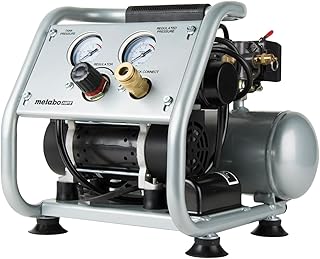
Metabo HPT EC914S 6-Gallon Pancake
At 4 CFM and 200 PSI, this is the rare pancake that genuinely feeds two framing guns at once, which makes it the pick if you and a helper are nailing off sheathing together. The taller tank profile and roll cage take jobsite abuse better than most flat-bottom pancakes.
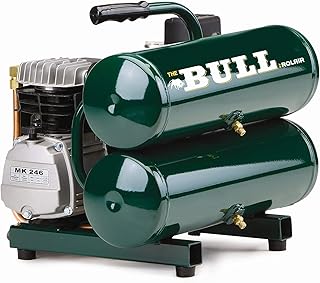
Rolair FC2002 Twin Stack
A true 2 HP cast-iron pump with overload protection and manual reset, this is the one that gets bought once and handed down. Recovery is quick enough that a framing gun never outruns it, and the belt-free direct-drive layout stays composed on long hot days.
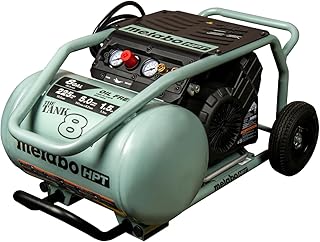
Metabo HPT EC1315S 8-Gallon Trolley
The 225 PSI ceiling and 8-gallon reserve give you the longest uninterrupted nailing stretch here, and the rubber tires mean you drag it across a slab instead of hoisting it. Best choice when the compressor stays at ground level and the hose does the traveling.
DEWALT DWFP55126 6-Gallon Pancake
2.6 SCFM at 90 PSI is exactly enough for one framing nailer at a working pace, and the high-efficiency motor starts reliably in cold weather and on long extension cords. The maintenance-free pump is a real advantage for weekend builders who won’t remember to check oil.
BOSTITCH BTFP02012-WPK 6-Gallon Kit
The quietest of the 6-gallon pancakes and the easiest on your back at around 30 pounds, with a hose and accessory kit that gets you nailing the day it arrives. Framing is comfortably within its range; just don’t expect to run two guns off it.
Frequently Asked Questions
Can a 1-gallon compressor run a framing nailer?
Not practically. Something like the Metabo HPT EC28M is excellent for brad nailers, staplers, and finish work at 59 dB, but a framing gun will empty a 1-gallon tank in a handful of shots and leave the pump running nonstop.
What pressure should I set for framing?
Start at 90 to 100 PSI and adjust by driving test nails into scrap of the same species. Set depth so the head sits flush; back off if you’re mushrooming the wood, add pressure if heads stand proud in dense material.
Does hose length affect performance?
Yes. Every 50 feet of 1/4″ hose costs you meaningful pressure at the gun. Step up to 3/8″ ID for runs over 50 feet, or place the compressor closer and accept walking to it.
Should I drain the tank after every use?
Every session, without exception. Compressed air condenses water inside the tank, and standing moisture rusts the shell from the inside where you can’t inspect it. Crack the petcock, let it hiss dry, close it.
Final Thoughts
For most people framing walls, decks, and shop structures, the Metabo HPT EC914S is the smartest buy: 4 CFM in a carryable pancake covers a second gun without a second machine. If you’re building for a living or want a compressor that outlasts the project list, the Rolair FC2002 is the durability pick, and the Metabo HPT EC1315S earns its keep whenever the work stays on one level and you’d rather roll than lift.