Key takeaways
- Separate socket drive size, fastener opening and extension length, then record each connection before buying a compatible extension.
Before buying a socket extension, identify the square-drive size at every connection: the drive tool, both ends of the extension and the socket. Keep that number separate from the socket’s fastener size and the extension’s length. A listing can contain all three measurements, and choosing the right one is the main compatibility check.
Our top picks


As an Amazon Associate we earn from qualifying purchases at no extra cost to you.
Read the three different sizes
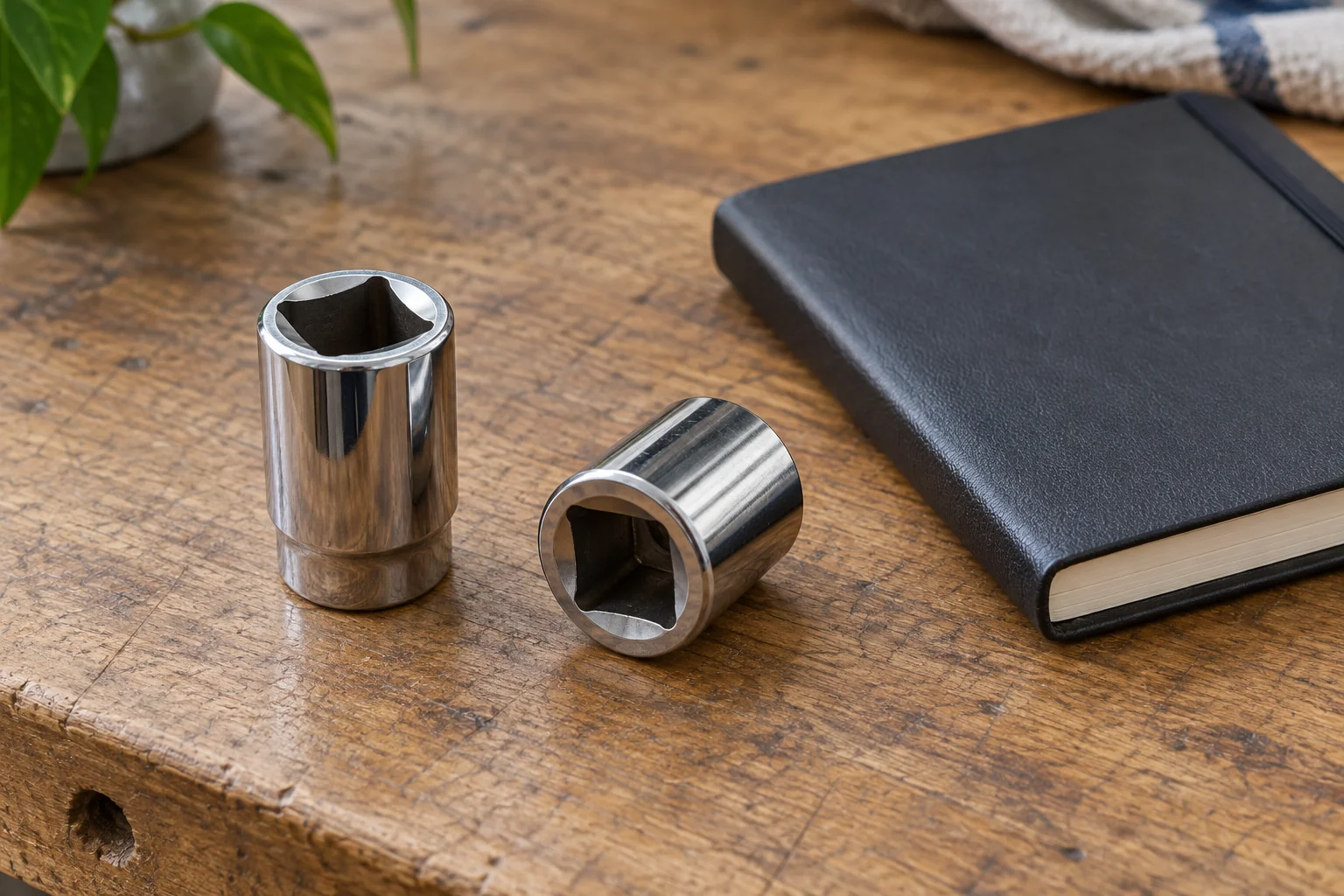
The drive size describes the square connection between tools. The socket opening describes the nut or bolt-head size it is intended to engage. Extension length describes reach along the extension. An 18-millimeter socket does not therefore need an 18-millimeter-drive extension.
TEKTON’s SID13118 socket listing, for example, identifies a 3/8-inch drive separately from an 18-millimeter fastener opening. This is a useful example of how to read a product description, not a recommendation to use that socket for a particular repair.
Write those measurements in separate boxes on your shopping note. Add the part number and intended use. If you only copy the largest number printed on an old socket, you may preserve its fastener opening while losing the information needed to connect it to a ratchet.
Identify the tool you already own
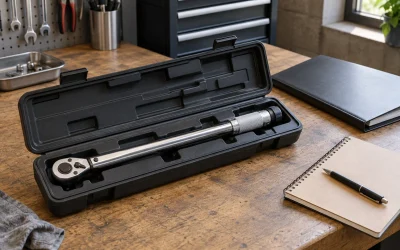
Look for the drive specification on the ratchet, its packaging or its official product page. Photograph the tool and any legible model marking. If the marking is unclear, compare the manufacturer specifications rather than deciding from the handle’s length or the size of its head.
A ruler can help distinguish clearly different nominal sizes, but a quick measurement across a chamfered opening is not a precise fit specification. Common nominal square-drive dimensions convert as follows: 1/4 inch is 6.35 millimeters, 3/8 inch is 9.525 millimeters and 1/2 inch is 12.7 millimeters. These are unit conversions, not acceptable manufacturing tolerances.
If you cannot identify the drive confidently, take the unpowered hand tool and its known socket to a suitable tool supplier, or ask the manufacturer for help. Do not hammer a questionable component into place or operate a powered tool to see whether the connection holds.
Draw the connection chain
For a straightforward same-size setup, write: ratchet male square → extension female square → extension male square → socket female square. Label each interface. The extension should be explicitly specified for the drive sizes and operating method you intend to use.
TEKTON’s 3/8-inch hand-drive extension description explains the extension’s purpose as reaching past obstructions or into narrow spaces. Reach is a separate choice after compatibility. Do not confuse this accessory with a tube placed over a ratchet handle to increase leverage.
| Component | Connection to record | Evidence to keep |
|---|---|---|
| Drive tool | Male square size and operating type | Tool model and official specification |
| Extension input | Female square matching the drive tool | Extension part number |
| Extension output | Male square matching the socket | Both end sizes, not just an abbreviated title |
| Socket | Female square plus separate fastener opening | Socket part number and permitted use |
| Complete setup | Compatible retention and intended operating method | Manufacturer instructions for every component |
Resolve a mismatch before adding an adapter
In a fictional shopping example, a hand ratchet and socket both have 3/8-inch drives. A six-inch-long extension with matching 3/8-inch connections is the relevant size category. A six-inch-long 1/2-inch extension has the desired length but does not directly connect to that pair.
An adapter would introduce another component and another set of requirements. Do not treat it as a general permission to combine whatever parts are already in the toolbox. Confirm the adapter’s direction, intended operating method and limitations with its manufacturer, and keep the complete chain within the instructions for its components.
Likewise, physical fit does not establish impact suitability or an allowable torque. Do not select parts for a powered impact tool by color or finish alone. Use components explicitly approved for that application. A torque wrench also has its own accessory and accuracy requirements; this identification worksheet supplies neither torque settings nor adjustment rules.
Choose reach and record the final purchase
After the connection sizes are confirmed, check the space available for the socket, extension and drive-tool head together. A listed extension length is not the same as the total assembled reach. Use the actual assembly dimensions or manufacturer drawings when access is tight.
Save the confirmed part number with your chain sketch. On arrival, compare the received item with the order before using it. If a connection fails to seat or retain as instructed, stop and resolve the cause; filing, grinding or forcing the square ends is not a fit check. The successful purchase is one you can identify, connect and use within the documented requirements without guessing which measurement the listing meant.